
Table of Contents
- Introduction to Mole Mexican
- A Taste of History
- Types of Mole Mexican
- The Spice Lineup Behind Mole
- How to Make Authentic Mole at Home
- Buying Guide: Choosing the Best Mole Ingredients
- Creative Uses for Mole Beyond Tacos
- Storing and Reheating Mole Like a Pro
- Final Thoughts on Embracing Mole Mexican
Introduction to Mole Mexican
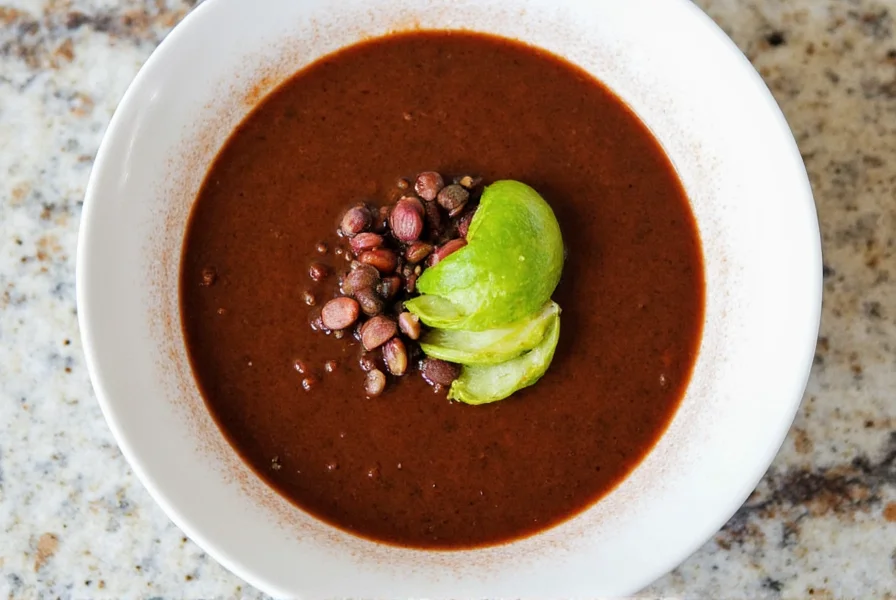
Mole Mexican is more than just a sauce—it's a celebration of culture, flavor, and tradition. Pronounced "mo-lay," mole comes from the Nahuatl word *molli*, meaning sauce or mix. This rich, complex condiment can range from sweet to spicy and everything in between. It’s the ultimate culinary expression of Mexico’s indigenous and Spanish heritage.
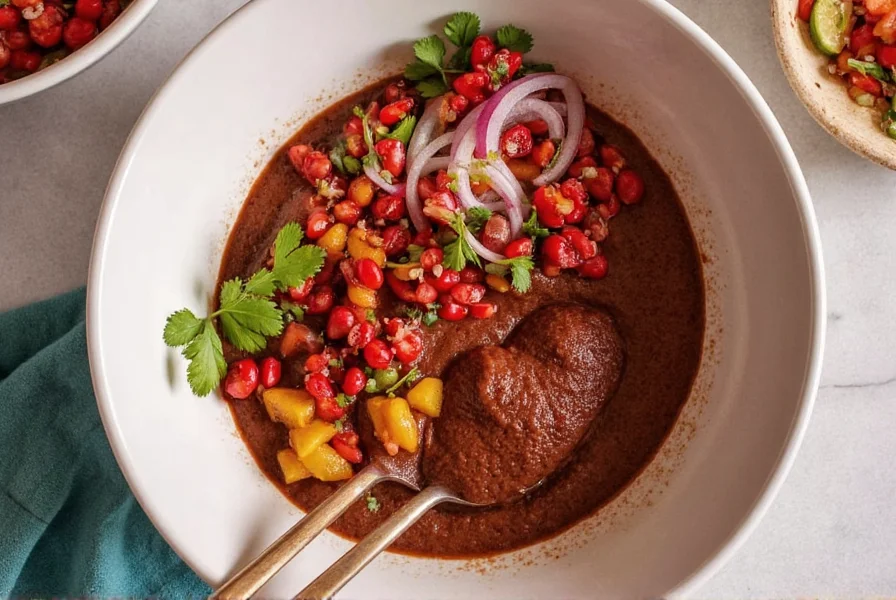
While it might seem intimidating at first, mole is an accessible delight once you understand its core ingredients and preparation techniques. Whether you’re hosting a fiesta or simply craving something deeply flavorful, mole has got your back.
A Taste of History
The story of mole begins centuries ago with the Aztecs, who used local spices, chiles, seeds, and chocolate to create early versions of this legendary sauce. After the Spanish conquest, European ingredients like almonds, cinnamon, and bread were introduced, giving birth to the modern mole we know and love today.
Legend says that mole poblano was invented by nuns at the Convent of Santa Rosa in Puebla when they needed a special dish to serve to visiting dignitaries. They combined what they had—chocolate, chiles, nuts, and spices—and voilà! Mole was born.
Types of Mole Mexican
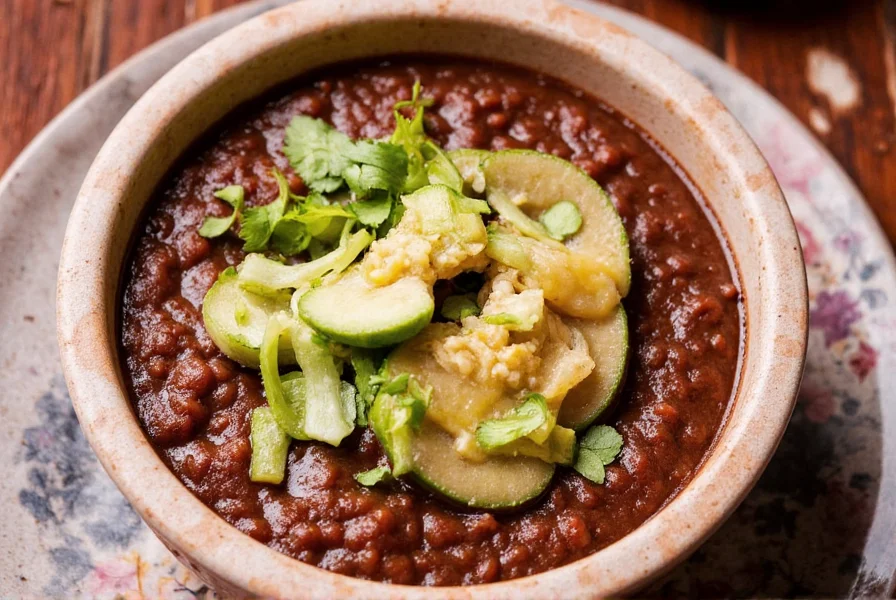
Mole isn’t one-size-fits-all. There are dozens of variations across Mexico, each region putting its own twist on the classic formula. Here’s a quick comparison table:
| Type | Origin | Main Ingredients | Flavor Profile |
|---|---|---|---|
| Mole Poblano | Puebla | Chiles, chocolate, sesame seeds, almonds, spices | Rich, smoky, slightly sweet |
| Mole Negro | Oaxaca | Roasted chiles, plantains, peanuts, chocolate | Deeply earthy, almost coffee-like |
| Mole Verde | Oaxaca/Veracruz | Tomatillos, green chiles, herbs (like epazote) | Herbaceous, tangy, fresh |
| Mole Amarillo | Oaxaca | Yellow chiles, garlic, tomatoes | Sweet, spicy, slightly fruity |
| Mole Manchamanteles | Oaxaca | Chiles, tropical fruits (pineapple, plantain), tomato | Sweet-tangy, exotic, colorful |
The Spice Lineup Behind Mole
What makes mole truly magical? Its incredible blend of spices. While the base varies depending on the type of mole, here are some common players in the spice game:
- Anise: Adds a licorice-like sweetness.
- Cinnamon: Brings warmth and depth.
- Cloves: Intense, aromatic, and slightly sweet.
- Allspice: Often used as a substitute for cloves in many regions.
- Cumin: Earthy, nutty, and perfect for grounding the flavor.
- Coriander Seeds: Citrusy and floral notes.
These spices are usually toasted and ground before being added to the sauce, allowing their aromas to bloom and deepen the complexity of the final product.
How to Make Authentic Mole at Home
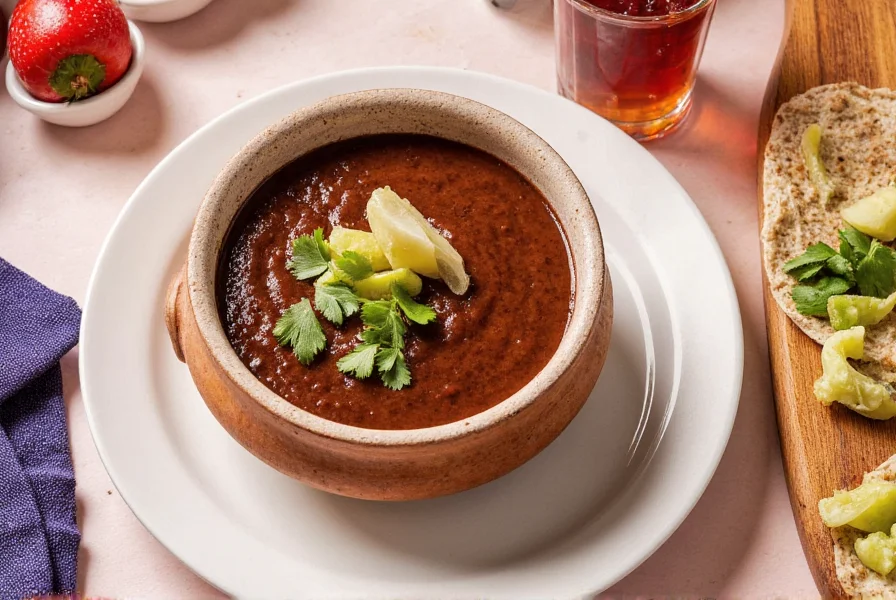
Ready to dive into mole-making? Don’t be intimidated by the long ingredient list—you’ve got this! Here’s a simplified guide to making a classic Mole Poblano:
- Gather your ingredients: Dried pasilla, mulato, and ancho chiles; onions; garlic; tomatoes; tortillas or bread; sesame seeds; almonds; raisins; chocolate; spices (cinnamon, cloves, cumin, etc.); broth.
- Rinse and toast chiles: Remove stems and seeds. Toast lightly in a dry pan until fragrant. Soak in hot water until soft.
- Toast and grind spices: Roast whole spices in a skillet until aromatic. Grind them finely.
- Fry all components: Sauté onion, garlic, tomatoes. Add soaked chiles, then fry all other solids in batches (tortillas, nuts, seeds, raisins).
- Blend into a paste: Combine everything in a blender with a little broth. Blend until smooth.
- Cook the mole: Return mixture to pot. Add more broth and simmer for at least 30 minutes. Stir constantly to prevent burning.
- Add chocolate at the end: Stir in dark chocolate until melted and incorporated.
Pro tip: For best results, make mole a day ahead—the flavors intensify overnight!

Buying Guide: Choosing the Best Mole Ingredients
Quality ingredients make all the difference in mole. Here’s what to look for when shopping:
| Ingredient | Recommended Brand / Type | Features | Best For |
|---|---|---|---|
| Ancho Chiles | Goya Organic Ancho Peppers | Sweet, smoky, and easy to find | Mole Poblano, sauces, stews |
| Mulato Chiles | La Costeña Mulato Chiles | Chocolate undertones, mild heat | Complex moles, slow-cooked dishes |
| Cinnamon Sticks | Fairway Market Ceylon Cinnamon | Sweeter, less woody than cassia | Moist cakes, warm sauces, moles |
| Dark Chocolate | Abuelita Unsweetened Chocolate Tablets | Traditional mole choice, bitter-free | Mole Poblano, desserts |
| Almonds | Blue Diamond Natural Sliced Almonds | Toasty, buttery texture | Mole thickeners, snacks, garnish |
Bonus Tip: Look for organic or locally sourced dried chiles and spices—they often have superior flavor compared to mass-produced options.
Creative Uses for Mole Beyond Tacos
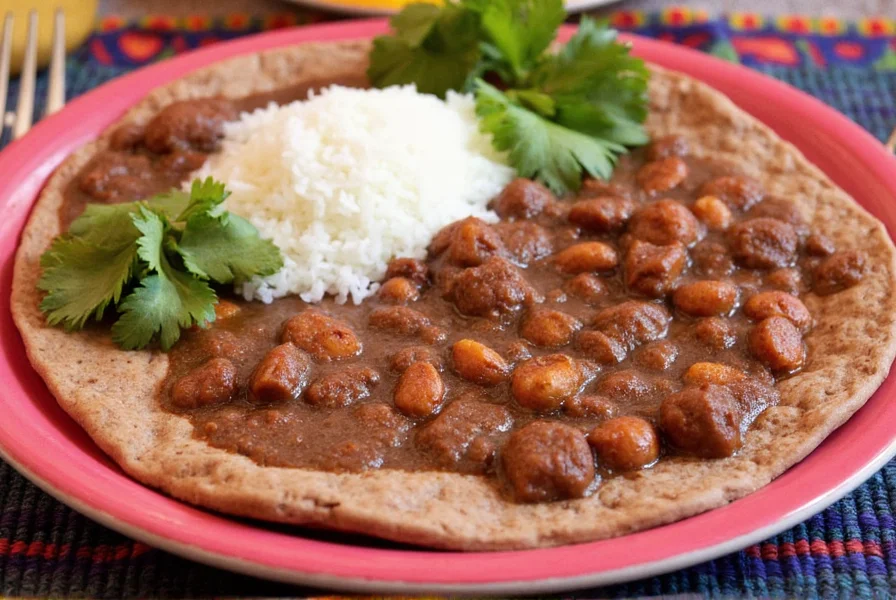
Think mole is only for drizzling over chicken enchiladas? Think again! Here are some fun ways to use mole:
- Mole Marinade: Use as a bold marinade for grilled chicken or pork.
- Mole Queso: Stir a spoonful into melted cheese for a decadent dip.
- Mole Pasta: Toss with cooked pasta for a fusion twist.
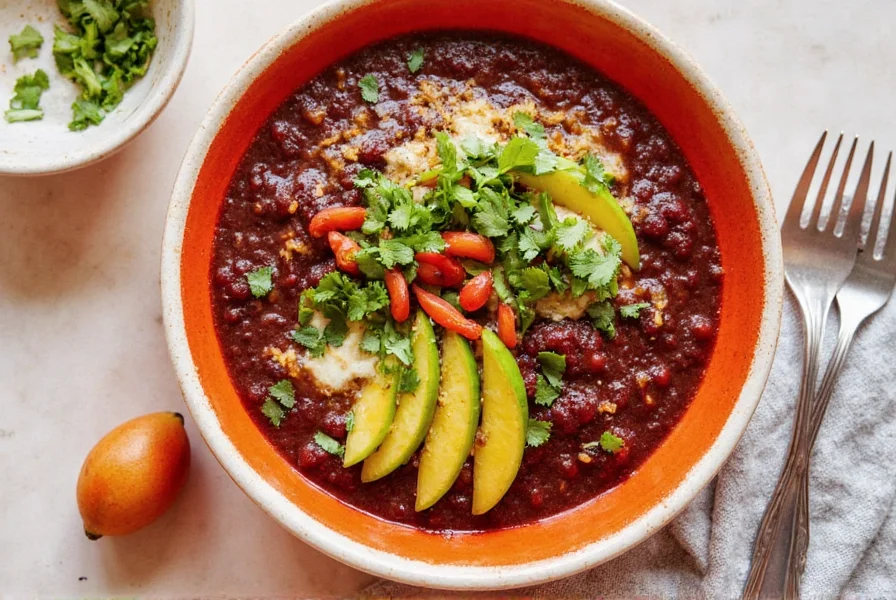
- Mole Smoothie? Yes, really! Mix a tablespoon into a banana or avocado smoothie for a deep flavor boost.
- Mole Popcorn: Drizzle over popcorn for a sweet-and-spicy snack.
Don’t be afraid to experiment. Mole pairs well with everything from eggs to burgers!
Storing and Reheating Mole Like a Pro
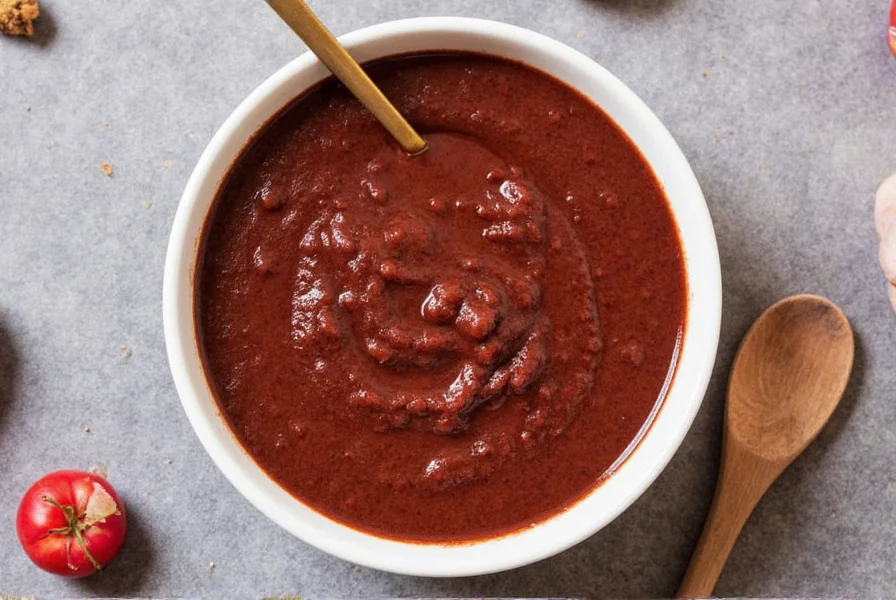
Mole keeps well in the fridge for up to a week—or even months if frozen properly. Here’s how to store it right:
- Refrigeration: Store in an airtight container for up to 7 days. Stir occasionally during reheating.
- Freezing: Pour into freezer-safe containers or ice cube trays for easy portioning. Freeze for up to 6 months.
- Reheating: Gently warm on the stove over low heat. Add a splash of water or broth if it thickens too much.
Pro storage hack: Label your containers with the date and type of mole. Trust us, future you will thank you.
Final Thoughts on Embracing Mole Mexican
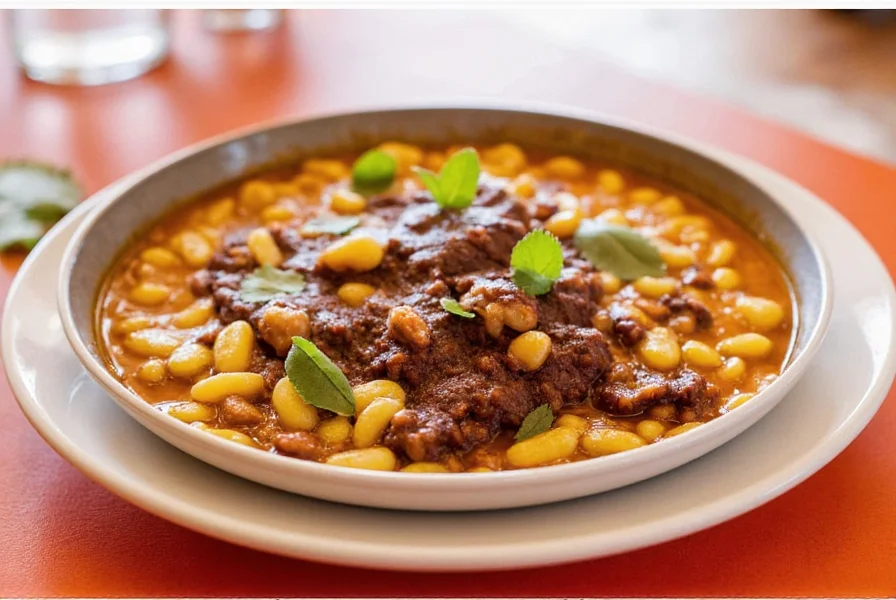
Mole Mexican is more than just a sauce—it’s a cultural treasure, a flavor bomb, and a gateway to deeper culinary exploration. Whether you're savoring a bowl of homemade mole or experimenting with new recipes, there’s always something new to discover.
So go ahead—grab those spices, roast those chiles, and let your kitchen smell like a little slice of Mexico. Your taste buds will thank you, and so will your inner chef.




 浙公网安备
33010002000092号
浙公网安备
33010002000092号 浙B2-20120091-4