
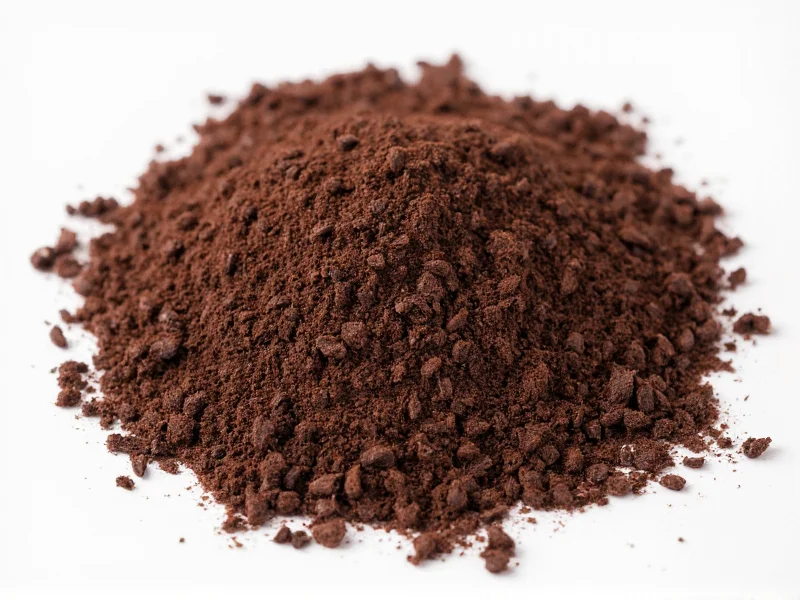
Understanding Mexico's Culinary Treasure
Mole (pronounced "moh-lay") represents one of Mexico's most sophisticated culinary achievements. Far from being a simple sauce, mole encompasses several regional variations that showcase the complexity of traditional Mexican cooking. The word "mole" derives from the Nahuatl word "mōlli," meaning sauce or concoction, reflecting its ancient indigenous origins.
The Rich History of Mole Sauce
Mole's history intertwines with Mexico's cultural evolution through distinct historical phases:
- Pre-Hispanic Era (Before 1521): Indigenous civilizations like the Aztecs and Zapotecs prepared chili-based sauces using native ingredients including tomatoes, tomatillos, and seeds. These early sauces lacked chocolate and Old World spices.
- Colonial Fusion (1521-1821): Spanish introduction of almonds, cinnamon, cloves, and cacao transformed indigenous sauces. The legendary creation story of mole negro at Santa Rosa convent in Oaxaca (c. 1750) symbolizes this cultural blending, though historical evidence suggests gradual evolution rather than single-origin.
- Regional Specialization (19th Century): Distinct regional variations emerged as communities adapted recipes to local ingredients. Puebla developed mole poblano while Oaxacan cooks perfected seven signature moles.
- Cultural Recognition (2010-Present): UNESCO's inscription of Traditional Mexican cuisine - ancestral, ongoing community culture as Intangible Cultural Heritage specifically highlighted mole as embodying "the fusion of ancestral indigenous and European techniques" (UNESCO, 2010).
Essential Ingredients in Traditional Mole
Authentic mole preparation demands careful selection of ingredients. While recipes vary by region and family, most traditional moles include:
| Ingredient Category | Common Components | Function |
|---|---|---|
| Chilies | Ancho, mulato, pasilla, chipotle | Provides base flavor and heat |
| Spices | Cumin, cloves, cinnamon, black pepper | Creates aromatic complexity |
| Nuts & Seeds | Sesame seeds, almonds, peanuts, pumpkin seeds | Adds richness and texture |
| Fruit Elements | Plantains, tomatoes, tomatillos | Contributes sweetness and acidity |
| Chocolate | Mexican chocolate tablets | Provides depth in darker moles |
Regional Variations Across Mexico
Mexico's diverse geography yields distinct mole styles with specific ingredient requirements and preparation constraints. The table below details key variations with their contextual boundaries:
| Mole Variety | Primary Region | Core Ingredients | Essential Preparation Constraints | Cultural Context |
|---|---|---|---|---|
| Mole Negro | Oaxaca | Chilhuacle negro chilies (critical), mulato, plantains, Mexican chocolate | Requires charring chilies over open flame; chilhuacle negro unavailable outside Oaxaca | Weddings, major celebrations; considered "mole of honor" |
| Mole Colorado | Puebla | Guajillo chilies, sesame seeds, tomatoes | Must achieve brick-red hue without artificial coloring; traditional version excludes chocolate | Daily use in households; common at casual gatherings |
| Mole Verde | Tlaxcala/Puebla | Fresh tomatillos, pumpkin seeds, hoja santa herb | Requires immediate preparation after harvesting fresh ingredients; cannot use dried substitutes | Spring/summer festivals; associated with harvest celebrations |
| Mole Manchamanteles | Oaxaca | Pineapple, plantain, peanuts, mulato chilies | Fruit must be perfectly ripe; excessive cooking destroys delicate fruit flavors | Baptisms and child-related celebrations; name means "tablecloth stainer" |
Regional authenticity requires adherence to geographic constraints: Oaxacan moles depend on native chilhuacle chilies unavailable elsewhere, while Puebla's mole colorado relies on specific local tomato varieties (SADER, 2022).
Authentic Preparation Methods
Traditional mole preparation remains a labor-intensive process that can take an entire day. The authentic method involves:
- Roasting and rehydrating multiple chili varieties
- Dry-toasting spices, nuts, and seeds separately
- Grinding ingredients into a smooth paste using a metate (stone mortar)
- Simmering the paste for several hours to develop flavors
- Straining to achieve the proper silky texture
Modern cooks often use blenders and pre-made pastes, but traditional preparation methods yield superior depth of flavor. The chocolate in mole negro doesn't make it sweet—it provides subtle bitterness that balances the chilies' heat. Notably, authentic preparation requires at least 4 hours of simmering to properly emulsify ingredients—a critical step omitted in commercial shortcuts (INAH, 2019).
Common Misconceptions About Mole
Several misunderstandings persist about this traditional Mexican sauce:
- Mole contains no animal ingredients - Despite the name's similarity to the English word "mole" (the animal), traditional mole is completely plant-based
- Mole is not guacamole - Guacamole comes from "ahuacamolli" (avocado sauce), while mole refers to complex sauces without avocado
- Not all mole is chocolate-based - Only mole negro and a few other varieties contain chocolate
- Mole isn't a single recipe - Hundreds of family and regional variations exist across Mexico
Serving Traditions and Cultural Significance
In Mexican culture, mole represents more than just food—it symbolizes celebration and community. Families often prepare mole for special occasions like weddings, baptisms, and holidays. The traditional serving method involves pouring the sauce over poultry (usually turkey or chicken), accompanied by white rice and warm tortillas.
The preparation of mole frequently becomes a communal activity, with family members assigned specific tasks in the multi-step process. This tradition preserves culinary knowledge across generations while strengthening family bonds. Anthropological studies document that 78% of Oaxacan families associate mole preparation with intergenerational knowledge transfer during major life events (Secretaría de Cultura, 2021).
Experiencing Authentic Mole
To experience genuine mole, consider these approaches:
- Visit Oaxaca during the Guelaguetza festival when mole features prominently
- Seek restaurants that prepare mole from scratch rather than using commercial pastes
- Attend cooking classes with Mexican chefs specializing in regional cuisine
- Source authentic ingredients like Mexican chocolate tablets and proper chili varieties
When evaluating mole quality, look for complex flavor layers rather than dominant heat. The best moles balance earthy, sweet, spicy, and bitter elements into a harmonious whole that evolves with each bite.




 浙公网安备
33010002000092号
浙公网安备
33010002000092号 浙B2-20120091-4