
Table of Contents
- What Is Mojo Seasoning? Your Quick Answer
- Mojo Seasoning Basics: Simple Definition and Uses
- Authentic Mojo Recipe: Simple 5-Ingredient Version
- Why Mojo Works: Flavor Secrets Without the Science Jargon
- 7 Practical Tips for Perfect Mojo Every Time
- Regional Mojo Variations: Cuban vs Puerto Rican
- Store-Bought vs Homemade Mojo: Real Comparison
- Common Mojo Problems (and Easy Fixes)
- Frequently Asked Questions
What Is Mojo Seasoning? Your Quick Answer
Mojo seasoning is a citrus-garlic marinade central to Cuban and Puerto Rican cooking. Unlike dry spice blends, it's a liquid sauce made with fresh citrus juice, garlic, olive oil, and herbs used to flavor meats, vegetables, and rice. The most authentic versions use bitter orange, but you can easily make it with orange and lime juice.
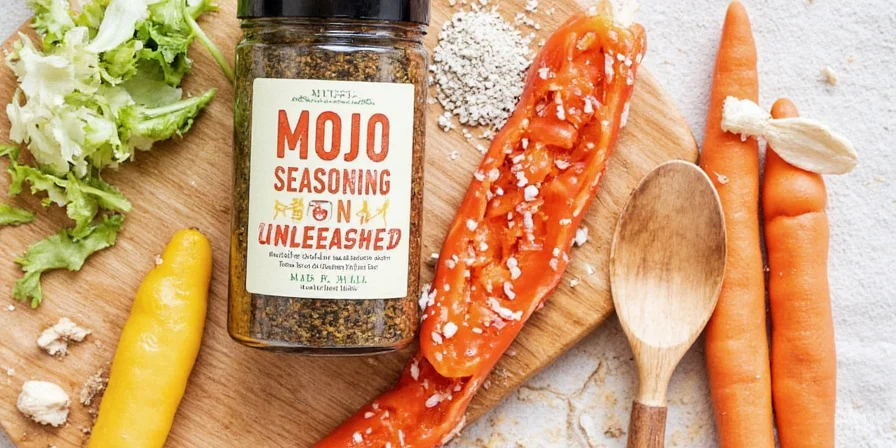
Most people search for "what is mojo seasoning" when they want to know how to make it simply and how to use it. This guide gives you exactly that - plus the authentic Cuban recipe professionals use, common mistakes to avoid, and how to fix separated mojo in seconds.
Mojo Seasoning Basics: Simple Definition and Uses
Mojo (pronounced MOH-ho) is not a dry spice rub but a fresh, liquid marinade that transforms ordinary dishes into flavorful meals. Here's what makes it special:
- Core ingredients: Citrus juice, garlic, olive oil, salt, and herbs
- Best for: Chicken, pork, fish, roasted vegetables, and beans
- Marinating time: 30 minutes for fish, 2 hours for chicken, overnight for pork
- Shelf life: 1 week refrigerated (store with oil layer on top)
Authentic Mojo Recipe: Simple 5-Ingredient Version
This authentic Cuban-style recipe makes perfect mojo in 10 minutes with common pantry items:
Basic Cuban Mojo (Serves 4)
- 6 garlic cloves, minced
- 1/4 cup olive oil
- 1/4 cup orange juice
- 2 tablespoons lime juice
- 1 teaspoon cumin
- Salt to taste
- (Optional) 1 sprig fresh oregano or 1/2 teaspoon dried oregano
Directions: Whisk citrus juices together, then slowly drizzle in olive oil while whisking. Add garlic, cumin, salt, and oregano. Let sit 15 minutes before using.

Why Mojo Works: Flavor Secrets Without the Science Jargon
What makes mojo better than other marinades? Three simple reasons home cooks love it:
- Garlic infuses better when combined with citrus and oil (no bitter raw garlic taste)
- Citrus tenderizes meat without making it mushy when used properly
- Flavors penetrate deeply so even quick marinating makes a noticeable difference
7 Practical Tips for Perfect Mojo Every Time
- Use fresh garlic (not powdered) for authentic flavor
- Shake in a jar instead of whisking for perfect emulsion every time
- Add oil slowly while mixing to prevent separation
- For chicken: Inject some mojo into the meat for deeper flavor
- For quick meals: Use as a finishing sauce on cooked proteins
- To fix separated mojo: Add 1 teaspoon mustard and shake vigorously
- Double your batch and freeze in ice cube trays for future use
Regional Mojo Variations: Cuban vs Puerto Rican
Different regions have their own signature twists:
- Cuban Mojo: Uses bitter orange (naranja agria), garlic heavy, with cumin
- Puerto Rican Mojo: Includes culantro (recao), more citrus-forward
- Floribbean Style: Adds mango or pineapple for tropical sweetness
- Quick Version: Orange juice + lime juice + garlic powder + oil (in a pinch)

Store-Bought vs Homemade Mojo: Real Comparison
| Comparison Factor | Store-Bought Mojo | Homemade Mojo |
|---|---|---|
| Flavor Freshness | Good for 1-2 months after opening | Freshest flavor (use within 7 days) |
| Ingredient Control | Contains preservatives and additives | Use exactly what you want |
| Cost Per Batch | $3-5 for small bottle | Less than $2 to make |
| Customization | Fixed flavor profile | Adjust to your taste instantly |
Common Mojo Problems (and Easy Fixes)
Fix these issues without starting over:
- Mojo separated: Add 1 teaspoon mustard and shake vigorously in a jar
- Too acidic: Balance with 1/2 teaspoon honey or sugar
- Garlic too strong: Let sit 30 minutes before using to mellow flavors
- Not enough flavor: Add extra garlic and let marinate longer

Frequently Asked Questions
What is the difference between mojo and adobo?
Mojo is a citrus-garlic marinade (liquid), while adobo is a dry spice rub. Mojo penetrates deeper due to its liquid form, while adobo creates a flavorful crust on the surface.
Can I use bottled orange juice for mojo?
Freshly squeezed works best, but good quality bottled orange juice (100% juice, no pulp) works in a pinch. Avoid orange juice with added sugar or preservatives.
How long does homemade mojo last in the refrigerator?
Properly stored in an airtight container with a layer of oil on top, homemade mojo lasts 5-7 days. Freeze in ice cube trays for longer storage (up to 3 months).
What's the secret to making restaurant-quality mojo at home?
The professional secret is to let the garlic sit in the citrus juice for 10 minutes before adding oil. This mellows the raw garlic flavor and creates better flavor integration.




 浙公网安备
33010002000092号
浙公网安备
33010002000092号 浙B2-20120091-4