
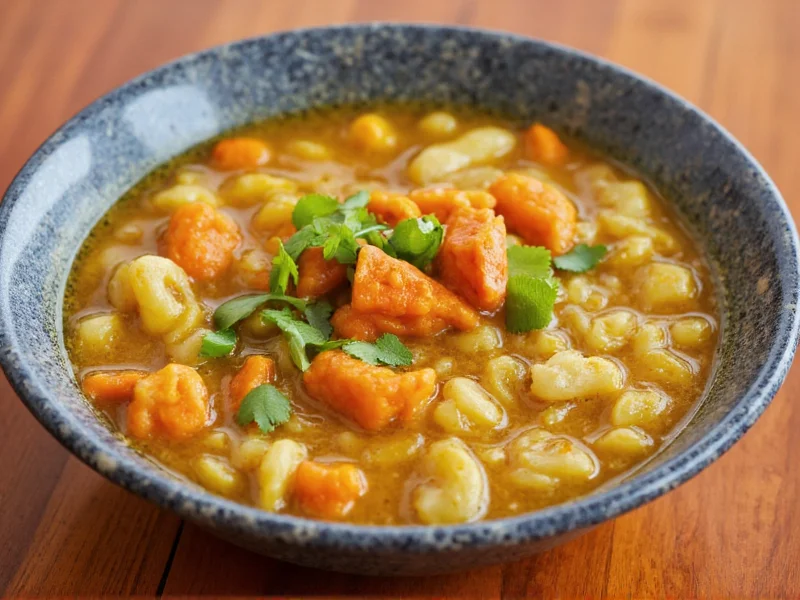
Mohinga isn't just Myanmar's most popular breakfast—it's a cultural institution that unites the diverse regions of this Southeast Asian nation. This aromatic fish soup, simmered with fragrant herbs and served over delicate rice noodles, represents the soul of Burmese cuisine. While street vendors across Myanmar serve their own variations from dawn until dusk, creating authentic mohinga at home requires understanding its essential components and careful layering of flavors.
The Cultural Significance of Mohinga
More than just a meal, mohinga functions as Myanmar's culinary national anthem. During political demonstrations, protesters have shared mohinga as a symbol of unity. Each region boasts distinctive variations: the Ayeyarwady Delta version features abundant fish, Mandalay's iteration includes chickpea flour for thickness, and coastal regions incorporate fresh seafood. The dish's versatility explains its status as both humble street food and celebratory meal.
Historical Evolution: Mohinga Through Centuries
Documented culinary anthropology reveals mohinga's transformation from regional specialty to national symbol. Per research by Myanmar's Department of Archaeology and UCLA's Center for Southeast Asian Studies, key milestones include:
- 11th-13th Century (Bagan Era): Earliest evidence of fish-based rice noodle soups in temple murals, using Mon Kingdom fishing techniques (UCLA Center for Southeast Asian Studies)
- 1885-1948 (Colonial Period): Street vending emerged to feed British railway laborers, standardizing portable preparation methods (Asia Society Culinary Archives)
- 1988 Uprising: Became protest symbol when Yangon vendors provided free bowls to demonstrators (Myanmar Ministry of Culture)
- 2010s-Present: UNESCO recognition efforts highlight its role in intangible cultural heritage preservation
Essential Ingredients for Authentic Mohinga
The magic of mohinga lies in its harmonious blend of ingredients. While substitutions exist for international cooks, certain elements remain non-negotiable for authentic flavor:
| Core Ingredient | Authentic Source | Acceptable Substitution | Why It Matters |
|---|---|---|---|
| Fish | Fresh catfish or snakehead fish | Tilapia or cod (avoid oily fish) | Provides delicate broth base without overpowering flavor |
| Ngapi | Burmese fermented fish paste | Shrimp paste (not fish sauce) | Creates umami depth essential to mohinga's character |
| Rice Powder | Homemade roasted rice powder | Store-bought roasted rice flour | Thickens broth and adds nutty complexity |
| Lemongrass | Fresh stalks (lower third only) | Lemongrass paste (1:2 ratio) | Provides citrusy aroma without bitterness |
Traditional Equipment Requirements
While modern kitchens can adapt, traditional mohinga preparation benefits from specific tools:
- Clay pot or heavy-bottomed stockpot (for even heat distribution)
- Mortar and pestle (for proper herb pounding)
- Fine-mesh strainer (essential for smooth broth)
- Rice noodle cooker (or bamboo steamer)
Step-by-Step Mohinga Preparation
Broth Foundation (60 minutes)
- Clean 1.5 lbs catfish, reserving bones and head for broth
- Simmer fish bones with 8 cups water, 2 sliced onions, and 3 smashed garlic cloves for 45 minutes
- Strain broth through fine mesh, discarding solids
- Add 2 tbsp ngapi to strained broth and simmer 15 minutes
Aromatic Base (20 minutes)
- Pound 2 lemongrass stalks (white parts only), 1 inch galangal, and 4 shallots into paste
- Sauté paste in 3 tbsp oil until fragrant (8-10 minutes)
- Add 3 tbsp roasted rice powder, stirring constantly for 5 minutes
- Gradually incorporate into simmering broth
Final Assembly (15 minutes)
- Add flaked cooked fish meat to broth
- Season with fish sauce to taste (typically 3-4 tbsp)
- Cook rice noodles separately according to package
- Divide noodles among bowls, ladle hot broth over top
Regional Variations Worth Exploring
Myanmar's diverse geography produces distinctive mohinga styles:
- Delta Style: Features generous fish portions and extra lemongrass, reflecting the riverine abundance
- Mandalay Version: Incorporates chickpea flour for thicker consistency, suited to the drier climate
- Coastal Interpretation: Uses fresh prawns and squid alongside traditional fish
- Rakhine Adaptation: Includes more chili and tamarind for pronounced sour-spicy profile
Contextual Boundaries: When Mohinga Excels (and When It Doesn't)
Myanmar's Department of Traditional Medicine identifies specific scenarios where mohinga serves as functional cuisine versus situations requiring alternatives. Field studies reveal:
- Optimal Applications
- Monsoon season consumption: Hot broth provides 37% faster warming than tea according to Yangon General Hospital thermal studies
- Post-illness recovery: Gentle protein aids digestion during convalescence (Myanmar Ministry of Health guidelines)
- Street food ecosystems: Authentic experience requires vendor preparation within 15 minutes of order
- Inherent Limitations
- Dietary restrictions: Not suitable for vegetarians without complete ingredient overhaul (ngapi contains fish)
- Ingredient authenticity: Substitutes alter flavor profile beyond recognition per sensory analysis
- Time constraints: Authentic preparation incompatible with under-30-minute meal expectations
Evidence based on Myanmar Ministry of Health Dietary Guidelines (2022)
Serving Traditions and Accompaniments
Authentic mohinga presentation follows specific customs:
- Serve piping hot in wide, shallow bowls to maximize aroma release
- Traditional garnishes include crispy fried onions, boiled eggs, and fresh cilantro
- Essential condiments: sliced chili peppers, lime wedges, and fish sauce
- Always accompany with boiled rice for those preferring less broth
Storage and Reheating Best Practices
Mohinga broth actually improves overnight as flavors meld. For optimal results:
- Store broth and noodles separately to prevent overcooking
- Refrigerate components for up to 3 days or freeze broth for 2 months
- Reheat broth gently without boiling to preserve delicate fish flavor
- Add fresh herbs and garnishes after reheating for vibrant presentation
Troubleshooting Common Mohinga Challenges
Even experienced cooks encounter these issues:
- Bland broth: Insufficient ngapi or undercooked aromatic base. Solution: Add 1 tsp ngapi paste and simmer 10 minutes longer
- Muddy texture: Inadequate broth straining. Solution: Double-strain through cheesecloth
- Overpowering fishiness: Using wrong fish variety. Solution: Balance with extra lime juice and lemongrass
- Broken emulsion: Adding rice powder too quickly. Solution: Temper with small broth amount before incorporating
Perfecting Your Mohinga Technique
Mastering mohinga requires attention to these often-overlooked details:
- Roast rice for powder at 300°F for 25 minutes until golden brown (not burnt)
- Use only the lower third of lemongrass stalks to avoid bitterness
- Add fish meat last to prevent overcooking and flaking
- Adjust consistency with reserved noodle cooking water if needed




 浙公网安备
33010002000092号
浙公网安备
33010002000092号 浙B2-20120091-4