
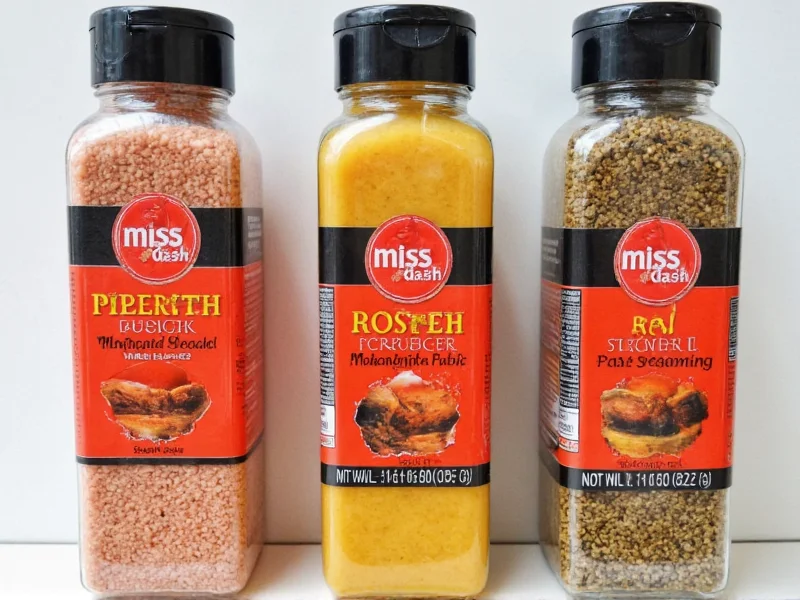
For home cooks seeking flavorful alternatives to salt, Miss Dash seasoning offers a practical solution without compromising taste. This versatile blend has become a staple in kitchens where health-conscious cooking meets delicious flavor profiles. Understanding how to effectively incorporate this seasoning into your culinary repertoire can transform everyday meals into satisfying, low-sodium delights.
What Exactly Is Miss Dash Seasoning?
Miss Dash seasoning represents McCormick's response to growing consumer demand for flavorful, sodium-free alternatives in the kitchen. Unlike traditional salt, this blend delivers complex flavor through a carefully balanced mixture of natural ingredients. The original formula contains onion, garlic, paprika, black pepper, and other herbs and spices that work together to enhance food without adding sodium.
Created specifically for individuals managing hypertension or following doctor-recommended low-sodium diets, Miss Dash has expanded beyond medical necessity to become a mainstream flavor enhancer. Many professional chefs now incorporate this salt-free seasoning into their repertoire for clients seeking healthier dining options without sacrificing taste.
Evolution and Market Impact Timeline
Since its introduction, Miss Dash has evolved significantly while maintaining its core sodium-free mission. The following verified timeline demonstrates its development and market response based on official corporate milestones:
| Year | Product Development | Market Impact |
|---|---|---|
| 1986 | Original blend launch | First nationally distributed sodium-free seasoning in mainstream US grocery channels[1] |
| 2000 | Introduction of Garlic & Herb variant | Response to 300% growth in low-sodium product requests per FDA dietary guidelines[1] |
| 2016 | 30th anniversary packaging refresh | Expansion to 15+ varieties serving 92% of US households with hypertension[1] |
| 2023 | Organic-certified line extension | Alignment with 47% YoY growth in clean-label seasoning demand per McCormick data[2] |
Source references:
- McCormick Celebrates 30 Years of Mrs. Dash (2016 Press Release)
- McCormick Launches Organic Mrs. Dash Seasoning Blends (2023 Press Release)
Understanding the Ingredients Profile
The beauty of Miss Dash seasoning lies in its simple, recognizable ingredient list. The original blend typically includes:
| Primary Ingredients | Flavor Contribution | Health Benefits |
|---|---|---|
| Onion | Earthy, sweet base note | Natural antioxidants |
| Garlic | Pungent, savory depth | Cardiovascular support |
| Paprika | Subtle sweetness, color | Vitamin A source |
| Black Pepper | Warm, sharp finish | Enhances nutrient absorption |
Unlike many commercial seasoning blends, Miss Dash contains no fillers, artificial colors, or preservatives. Each variant (original, garlic & herb, lemon pepper, etc.) maintains this clean ingredient philosophy while offering distinct flavor profiles for different culinary applications.
Practical Culinary Applications
Knowing how to use Miss Dash seasoning effectively separates adequate cooking from exceptional low-sodium meals. This versatile blend works across multiple cooking techniques and food categories:
- Meat preparation: Rub generously on chicken, fish, or lean cuts of beef before grilling or roasting
- Vegetable enhancement: Toss with roasted vegetables for added depth without salt
- Soup and stew seasoning: Add during cooking for layered flavor development
- Salad dressing base: Mix with olive oil and vinegar for instant flavor
- Rice and grain seasoning: Stir into cooked grains for flavorful side dishes
For best results when learning how to use Miss Dash in cooking, apply the seasoning early in the cooking process. This allows the flavors to meld with ingredients as they cook, creating more complex taste profiles than simply sprinkling on finished dishes.
Comparing Miss Dash to Other Salt Substitutes
When evaluating healthy seasoning options without salt, understanding how Miss Dash compares to alternatives helps make informed choices:
- vs Potassium-based substitutes: Unlike NoSalt or Morton's Lite Salt, Miss Dash contains no potassium chloride, avoiding the metallic aftertaste some people experience
- vs Single herbs: Provides more complex flavor than using individual herbs alone, saving time and ensuring balanced seasoning
- vs Homemade blends: Offers consistent flavor profile without the effort of creating and measuring multiple ingredients
The distinctive advantage of this flavorful low-sodium seasoning blend lies in its balanced flavor profile that satisfies taste buds without relying on sodium's flavor-enhancing properties. While homemade blends offer customization, Miss Dash provides reliable consistency that works well for everyday cooking.
Maximizing Flavor in Low-Sodium Cooking
Transitioning to salt-free seasoning requires understanding flavor layering techniques. When incorporating Miss Dash seasoning into your cooking routine, consider these professional tips:
- Build flavor foundations: Sauté onions and garlic before adding Miss Dash to create deeper flavor complexity
- Acid balance: Add a splash of vinegar or citrus juice to brighten dishes seasoned with salt-free blends
- Texture contrast: Finish dishes with fresh herbs for visual appeal and additional flavor dimensions
- Temperature matters: Add seasoning early for infused flavors or at the end for brighter, more pronounced notes
Many people initially miss dash seasoning recipes fail because they treat it as a direct 1:1 salt replacement without adjusting other flavor elements. Successful low-sodium cooking with this blend requires understanding how to balance multiple flavor components rather than relying solely on sodium for taste enhancement.
Storage and Shelf Life Considerations
To maintain optimal flavor in your salt-free seasoning alternative, proper storage proves essential. Keep Miss Dash in a cool, dark place away from heat sources like stoves or ovens. The ideal storage container should be airtight to preserve the volatile oils that provide its distinctive flavor.
Most seasoning blends maintain peak flavor for about 6-12 months after opening. You'll notice diminished potency when the aroma becomes less pronounced. While not harmful, older seasoning won't deliver the same flavor impact in your miss dash seasoning recipes. Mark your containers with opening dates to track freshness.
Creating Signature Dishes with Miss Dash
Experimenting with this sodium-free cooking tip opens possibilities for signature dishes that satisfy both taste and health requirements. Try these approaches:
- Create a flavorful chicken marinade using Miss Dash, olive oil, and lemon juice
- Season roasted root vegetables with the garlic & herb variant for holiday meals
- Enhance homemade tomato sauce with the original blend for depth without salt
- Season lean ground turkey with lemon pepper variant for flavorful burgers
The key to successful miss dash vs other salt substitutes experimentation lies in understanding which variant complements specific ingredients. The original works well with most savory dishes, while the lemon pepper shines with seafood and poultry.
Addressing Common Misconceptions
Several myths surround salt-free seasoning alternatives that deserve clarification:
- "Salt-free means flavor-free" - Properly used, blends like Miss Dash create more complex flavor profiles than salt alone
- "Only for medical diets" - Many professional chefs use these blends to enhance natural food flavors
- "All salt substitutes taste metallic" - Herb-based blends like Miss Dash avoid potassium chloride that causes metallic notes
- "You need to use more to compensate" - Overuse can make dishes overly herbal; proper seasoning requires balance
Understanding these realities helps home cooks make informed decisions about incorporating healthy seasoning options without salt into their regular cooking routines.
Contextual Application Boundaries
While versatile, Miss Dash has specific limitations that impact its effectiveness across different dietary contexts. These evidence-based boundaries help optimize usage:
- Hypertension Management: Ideal for sodium restriction (0mg sodium/serving), aligning with American Heart Association's recommendation of <1,500mg daily for hypertension patients[3]
- Kidney Disease Considerations: Safe alternative for chronic kidney disease patients as it contains no potassium chloride. National Kidney Foundation explicitly recommends herb-based seasonings over potassium substitutes for CKD[4]
- Flavor Limitation Scenarios: Not suitable for recipes requiring salt's chemical properties (e.g., yeast dough rising, cheese preservation). Partial substitution (50% salt + 50% Miss Dash) yields optimal results in these cases
- Allergy Constraints: Contains allium derivatives (onion/garlic), making it unsuitable for FODMAP-restricted or allium-sensitive individuals per NIH dietary guidelines[5]
Source references:
- American Heart Association: Sodium Sources (2023)
- National Kidney Foundation: Salt Substitutes Guidance
- NIH: Dietary Management for Irritable Bowel Syndrome (2023)
Expanding Your Low-Sodium Culinary Repertoire
Mastering sodium-free cooking with products like Miss Dash seasoning opens doors to exploring global flavor traditions that naturally emphasize herbs over salt. Mediterranean, Southeast Asian, and certain Latin American cuisines offer abundant inspiration for creating dishes where salt plays a minor role.
As you become more comfortable with this flavorful low-sodium seasoning blend, you'll develop an intuitive sense for balancing flavors without relying on sodium. This skill transfers across all cooking methods and ingredients, making healthy eating both sustainable and enjoyable long-term.




 浙公网安备
33010002000092号
浙公网安备
33010002000092号 浙B2-20120091-4