
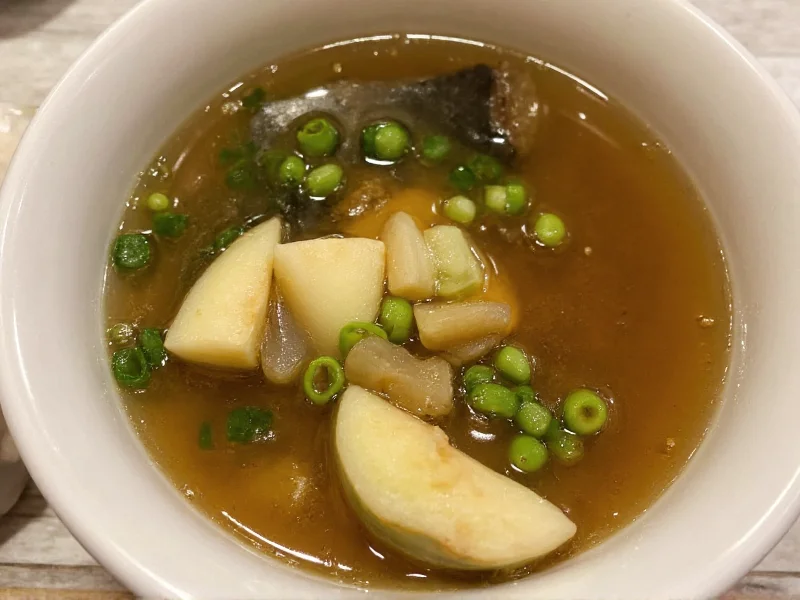
The Essence of Authentic Miso Soup
Miso soup represents one of Japan's most cherished culinary traditions, served daily in households across the country. This seemingly simple soup carries deep cultural significance as part of the ichiju-sansai (one soup, three sides) meal structure. What separates authentic miso soup from common Western interpretations lies in understanding the delicate balance of ingredients and the precise technique required to preserve miso's living enzymes.
Understanding Miso Paste Varieties
Choosing the right miso paste forms the foundation of exceptional soup. Miso varieties differ in fermentation time, grain base, and salt content, dramatically affecting flavor profiles. The three primary types include:
| Miso Type | Color | Flavor Profile | Best For |
|---|---|---|---|
| Shiro Miso | White/Yellow | Sweet, mild, subtle | Beginners, delicate broths |
| Aka Miso | Red/Brown | Strong, salty, complex | Hearty winter soups |
| Mugi Miso | Tan | Earthy, malty | Vegetable-based soups |
For beginners seeking an easy miso soup recipe for beginners, white miso provides the most approachable flavor. Serious enthusiasts exploring how to make authentic Japanese miso soup should experiment with regional variations—Hatcho miso from Aichi prefecture offers deep umami, while Sendai miso delivers robust saltiness.
Building the Perfect Dashi Foundation
Dashi forms the soul of authentic miso soup, yet many Western recipes skip this critical step. Traditional dashi requires just two ingredients:
- Kombu (dried kelp): 4-inch square piece
- Katsuobushi (dried bonito flakes): 1/2 cup
For a quick miso soup recipe without specialty ingredients, substitute with dried shiitake mushrooms or purchase quality instant dashi granules. Never use chicken or vegetable broth as a base—that creates miso-flavored soup, not authentic miso soup. The proper technique involves:
- Soak kombu in 4 cups cold water for 30 minutes
- Gently heat to 160°F (71°C), removing kombu just before boiling
- Add katsuobushi, simmer 2 minutes, then strain
Step-by-Step Preparation Guide
Follow these precise steps for restaurant-quality results at home. This traditional miso soup ingredients list serves two:
Essential Ingredients
- 4 cups freshly made dashi
- 3-4 tablespoons miso paste (adjust to taste)
- 1 cup silken tofu, cut into 1/2-inch cubes
- 1/4 cup wakame seaweed (rehydrated)
- 2 green onions, thinly sliced
Critical Technique Steps
- Prepare dashi broth using traditional method
- Reduce heat to just below simmering (165°F/74°C)
- Place miso paste in small bowl with 1/2 cup hot dashi
- Whisk miso into smooth slurry—never add paste directly to boiling liquid
- Gradually incorporate slurry into main broth
- Add tofu and rehydrated wakame
- Heat gently for 2-3 minutes without boiling
- Garnish with green onions just before serving
This technique preserves miso's probiotic bacteria and delicate flavor compounds destroyed at temperatures above 175°F (80°C). Many home cooks make the critical error of boiling miso paste, resulting in flat-tasting soup with diminished miso soup health benefits.
Avoiding Common Mistakes
Even experienced cooks commit these frequent errors when attempting homemade miso soup without dashi:
- Boiling the miso: Destroys beneficial enzymes and creates bitter flavors
- Using tap water directly: Chlorine affects fermentation—always use filtered water
- Overcooking tofu: Causes crumbling—add during final warming phase
- Incorrect miso-to-broth ratio: Too little lacks depth, too much becomes salty
- Adding wakame too early: Becomes slimy—rehydrate separately and add at end
Thoughtful Variations and Customizations
While purists might scoff, thoughtful adaptations can enhance your quick miso soup recipe experience. Consider these authentic-inspired variations:
- Spring Vegetable Miso: Add blanched asparagus tips and snap peas
- Seafood Miso: Incorporate cooked clams or shrimp during final warming
- Miso Ramen Broth: Use as base for vegetarian ramen with added mushrooms
- Breakfast Miso: Lighter version with egg drop technique
For vegan preparation, substitute bonito flakes with additional kombu or dried shiitake mushrooms. The key principle remains: never compromise the fundamental technique of adding miso off-heat.
Serving and Storage Guidelines
Serve miso soup immediately in pre-warmed bowls to maintain ideal temperature. Traditional Japanese etiquette suggests:
- Hold bowl with both hands when drinking
- Leave small amount at bottom to show satisfaction
- Pair with rice and pickled vegetables
Refrigerate leftovers for up to 3 days, but note that reheating destroys probiotics. When storing, keep miso separate from broth and combine only when reheating to preserve flavor integrity. Freezing significantly degrades texture—fresh preparation yields superior results every time.
Understanding Miso's Nutritional Profile
Miso soup offers more than comforting warmth—it delivers notable nutritional benefits when prepared properly. A standard serving (1 cup) typically contains:
- 40-60 calories
- 2-3g protein
- Significant probiotics (when not boiled)
- B vitamins from fermentation process
- Essential minerals like manganese and zinc
Research suggests regularly consuming traditionally prepared miso soup correlates with improved digestion and gut health. However, those monitoring sodium intake should note that miso contains 200-300mg sodium per tablespoon—adjust quantities accordingly.
Frequently Asked Questions
Can I make miso soup without dashi?
Yes, you can create a homemade miso soup without dashi by using vegetable broth with dried shiitake mushrooms (soaked for 30 minutes) as a base. While not traditional, this approach yields acceptable results. For best flavor, add 1-inch kombu piece to your vegetable broth while heating, removing it before it reaches boiling point.
Why can't I boil miso paste?
Boiling miso paste above 175°F (80°C) destroys its live probiotic cultures and delicate flavor compounds. The proper way to add miso paste involves creating a slurry with warm broth off-heat, then gently incorporating it into the main broth. This preserves both health benefits and complex umami flavors developed during fermentation.
How do I store leftover miso soup?
Store miso paste separately from broth for optimal freshness. Refrigerate broth and solid ingredients for up to 3 days, but keep miso paste in its original container. When reheating, warm the broth without boiling, then whisk in fresh miso paste. Freezing degrades texture and destroys probiotics, so fresh preparation is always recommended for the best miso soup health benefits.
What's the difference between white and red miso?
White miso (shiro miso) ferments for 3-6 months, yielding a sweet, mild flavor ideal for easy miso soup recipe for beginners. Red miso (aka miso) ferments 1-3 years, creating a stronger, saltier profile suited for hearty winter soups. The color difference comes from fermentation duration and rice content—longer fermentation darkens the paste. White miso works best for delicate broths, while red miso stands up to robust ingredients.
Can I use any type of tofu in miso soup?
Silken tofu (kinugoshi) provides the traditional texture that holds its shape while melting delicately in broth. Firm tofu works in a pinch but requires careful handling to prevent crumbling. Avoid extra-firm tofu as it becomes rubbery when heated. For special occasions, try ato-dashi technique—placing cold tofu cubes directly in hot broth creates a temperature contrast that enhances texture.




 浙公网安备
33010002000092号
浙公网安备
33010002000092号 浙B2-20120091-4