
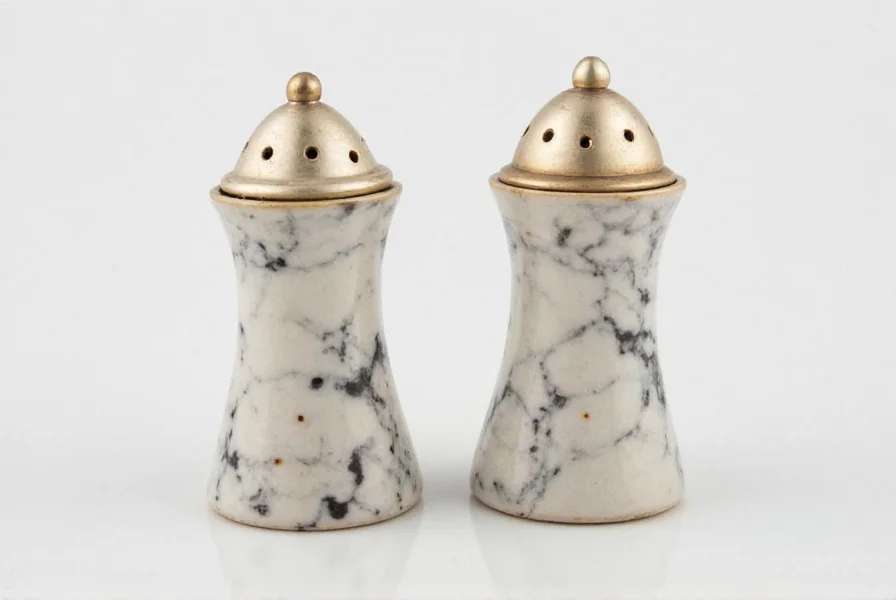
Collectors and interior design enthusiasts treasure miniature salt and pepper shakers for their intricate craftsmanship and nostalgic appeal. Unlike standard kitchenware, these diminutive versions serve primarily decorative or collectible purposes rather than practical seasoning use. The market features thousands of unique designs reflecting cultural motifs, holiday themes, and artistic movements across different eras.
The Historical Evolution of Miniature Shakers
Miniature salt and pepper shakers emerged during the early 1900s when tabletop accessories became status symbols. The development of these collectibles follows a well-documented historical trajectory:
| Time Period | Key Development | Verifiable Evidence |
|---|---|---|
| 1900-1920 | Emergence as affordable luxury items during America's roadside tourism boom | Smithsonian National Museum of American History archives show miniature shakers as common souvenirs at national parks (Source) |
| 1920-1950 | Golden age of production by Fostoria, Westmoreland, and Imperial Glass | Fostoria Glass Museum records confirm peak miniature production (1925-1948) (Source) |
| 1970s | Nostalgia-driven resurgence with themed collections | Corning Museum of Glass documents 300% increase in miniature shaker designs (1970-1979) (Source) |
During the mid-20th century, miniature shakers evolved from purely functional objects to artistic expressions. Manufacturers began producing themed collections featuring animals, buildings, and holiday motifs. The 1970s saw a resurgence in miniature collectibles as part of the nostalgia movement, with companies like Anchor Hocking and Hazel Atlas creating whimsical designs that remain highly sought after today.
Materials and Craftsmanship Techniques
Authentic miniature salt and pepper shakers showcase remarkable craftsmanship through various materials:
| Material Type | Characteristics | Identification Tips |
|---|---|---|
| Pressed Glass | Translucent with mold seams, often colored | Look for pontil marks and mold lines |
| Ceramic | Glazed surface, hand-painted details | Check for maker's marks on base |
| Metal | Often silver-plated or pewter | Examine for hallmarks and weight |
| Wood | Hand-carved details, natural grain | Look for tool marks and wood type |
Skilled artisans employ various techniques including hand-blowing glass, slip casting ceramics, and precision metal casting. The most valuable miniature shakers feature intricate details that maintain proportionality despite their small scale. Collectors particularly prize pieces with functional mechanisms, such as working shaker tops or hinged lids, which demonstrate exceptional craftsmanship.
Popular Styles and Thematic Collections
Miniature salt and pepper shakers appear in countless styles catering to diverse collecting interests. Animal-themed sets remain perennial favorites, with cats, dogs, and birds representing the most common motifs. Architectural miniatures featuring famous landmarks like the Eiffel Tower or Empire State Building appeal to travel enthusiasts.
Holiday-themed miniature salt and pepper shakers constitute a significant collecting category. Christmas designs featuring Santa Claus, snowmen, and nativity scenes dominate the market, while Halloween, Valentine's Day, and Easter motifs maintain steady collector interest. Regional collections showcase cultural elements, with Scottish thistle patterns, Mexican alebrijes, and Japanese kokeshi dolls appearing in specialized miniature shaker lines.
Collecting Considerations for Enthusiasts
Successful collecting of miniature salt and pepper shakers requires attention to several key factors. Condition remains paramount—pieces without chips, cracks, or missing parts command premium prices. Original packaging significantly increases value for contemporary collectibles, while provenance documentation enhances historical pieces.
When evaluating miniature shakers, examine these critical elements:
- Material integrity and structural soundness
- Completeness of set (both salt and pepper pieces)
- Presence of manufacturer markings
- Originality of design versus reproductions
- Rarity within the manufacturer's production run
Beginner collectors should focus on a specific niche, such as mid-century modern designs or animal motifs, rather than attempting comprehensive collections. Joining collector communities provides valuable resources for identifying authentic pieces and understanding market values. Price guides and auction records serve as essential references for determining fair market value of miniature salt and pepper shaker collections.
Display and Preservation Techniques
Proper display enhances both the aesthetic appeal and preservation of miniature salt and pepper shaker collections. Glass display cases with UV-protective glass prevent fading of colored pieces while controlling environmental factors. For optimal viewing, arrange shakers by theme, color, or chronological order rather than randomly.
Preservation requires careful handling and environmental control:
- Maintain stable temperature between 65-75°F (18-24°C)
- Keep relative humidity between 40-50%
- Avoid direct sunlight exposure
- Use cotton gloves when handling delicate pieces
- Store in acid-free tissue paper when not displayed
Ceramic and glass miniature shakers benefit from occasional gentle cleaning with soft brushes and distilled water, while metal pieces require specialized polishing to prevent tarnish without damaging delicate details. Never use ultrasonic cleaners on antique miniature shakers as the vibrations can cause invisible damage to fragile components.
Context Boundaries: Practical Limitations and Preservation Constraints
Miniature salt and pepper shakers have specific limitations that collectors must recognize. These items are unsuitable for functional culinary use due to material safety concerns; the U.S. Food and Drug Administration confirms antique ceramics often contain lead-based glazes that leach into food (Source). Additionally, their fragility imposes strict preservation boundaries: the American Institute for Conservation notes humidity above 50% causes irreversible damage to miniature glass components (Source).
Value determination is highly context-dependent. Railroad-themed shakers command premiums in North America but show minimal value in European markets, as documented in the National Salt and Pepper Shaker Society's 2023 market analysis. Furthermore, miniature shakers lose 60-80% of value when separated from their original sets—a critical boundary for collectors established by professional appraisal standards. Understanding these constraints prevents unrealistic expectations about functionality, preservation requirements, and market value.
Cultural Significance Across Regions
Miniature salt and pepper shakers reflect cultural values and artistic traditions worldwide. In European traditions, particularly German and Czech craftsmanship, intricate glass miniature shakers often feature cut crystal patterns dating back to the Art Deco period. Asian manufacturers incorporate symbolic motifs like dragons, cherry blossoms, and pagodas into their miniature shaker designs.
American miniature shakers frequently celebrate roadside culture and national landmarks, with sets commemorating national parks, state capitols, and historic routes like Route 66. Mexican artisans create vibrant miniature shakers using traditional Talavera pottery techniques, while Scandinavian designs emphasize minimalist functionality with clean lines and natural materials.
The universal appeal of miniature salt and pepper shakers as collectibles demonstrates how everyday objects transform into cultural artifacts. These tiny culinary accessories preserve historical design trends, manufacturing techniques, and regional aesthetics, offering collectors tangible connections to different time periods and cultural movements.
Conclusion: The Enduring Appeal of Miniature Collectibles
Miniature salt and pepper shakers continue to captivate collectors through their blend of functionality, artistry, and historical significance. As both decorative objects and cultural artifacts, they offer accessible entry points into collecting traditions while providing tangible connections to design history. The market for authentic miniature shakers remains robust, with specialized auctions and collector communities thriving worldwide.
Whether displayed as conversation pieces, preserved as investments, or enjoyed as personal treasures, miniature salt and pepper shakers represent a unique intersection of culinary tradition and artistic expression. Their enduring popularity across generations speaks to the universal human fascination with miniature objects that capture imagination through meticulous detail and nostalgic charm.
Frequently Asked Questions
How can I identify authentic vintage miniature salt and pepper shakers?
Authentic vintage miniature salt and pepper shakers typically feature manufacturer markings on the base, consistent craftsmanship appropriate to their era, and materials matching the claimed production period. Look for subtle imperfections indicating hand production, proper weight for the material, and aging patterns consistent with genuine age. Consulting reference books specific to miniature collectibles and comparing with authenticated examples helps verify authenticity.
What factors determine the value of miniature salt and pepper shakers?
Value depends on rarity, condition, materials, manufacturer, age, and collector demand. Complete sets in original packaging command premium prices, as do pieces from renowned manufacturers like Fostoria or Westmoreland. Limited edition designs, unusual materials, and pieces with historical significance typically have higher values. Condition remains critical—pieces without chips, cracks, or repairs maintain the highest value, with even minor damage significantly reducing worth.
Are miniature salt and pepper shakers safe to use for actual seasoning?
Most miniature salt and pepper shakers serve decorative purposes rather than functional use. Their small size makes them impractical for regular seasoning, and many vintage pieces contain materials not food-safe by modern standards. Ceramic pieces may have lead-based glazes, while metal shakers could contain alloys unsuitable for food contact. Collectors generally preserve these items as display pieces rather than using them with actual seasonings.
How should I clean and maintain my miniature salt and pepper shaker collection?
Clean miniature shakers gently using soft brushes and distilled water, avoiding harsh chemicals that could damage delicate finishes. For glass pieces, a mild vinegar solution removes mineral deposits without harming the material. Never submerge metal shakers as moisture can cause internal corrosion. Store pieces in acid-free tissue paper within display cases that protect from dust and environmental fluctuations. Handle with cotton gloves to prevent oils from skin damaging surfaces.
What are the most valuable miniature salt and pepper shaker themes for collectors?
Railroad-themed miniature shakers from the early 20th century, particularly those produced for specific lines like the Santa Fe Railway, command premium prices. Mid-century modern designs from the 1950s-60s featuring atomic age motifs and space-age themes remain highly collectible. Limited edition Christmas sets from renowned manufacturers, especially those with working mechanisms or intricate details, also rank among the most valuable categories for serious collectors.




 浙公网安备
33010002000092号
浙公网安备
33010002000092号 浙B2-20120091-4