
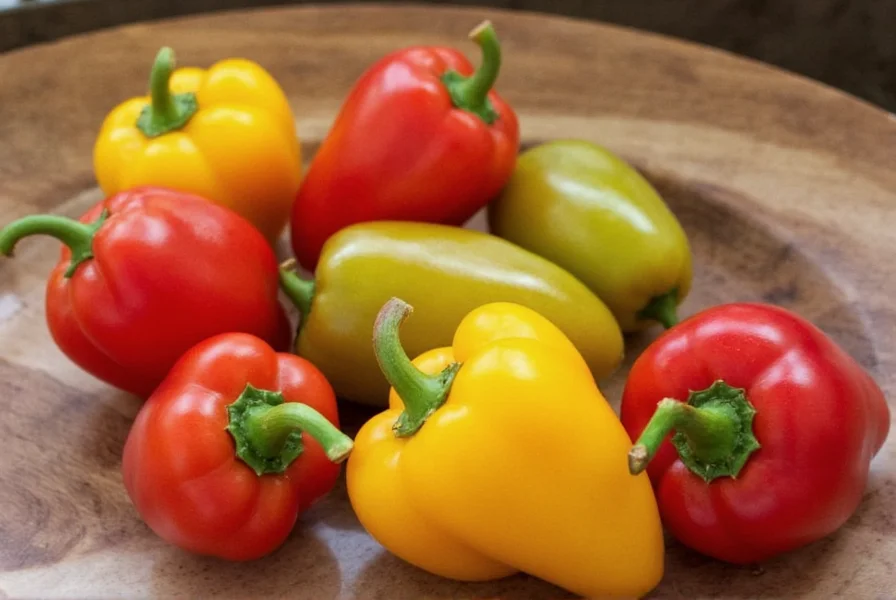
Mini sweet peppers have become a kitchen staple for good reason. Unlike traditional bell peppers, these bite-sized gems deliver consistent sweetness without bitter notes, making them perfect for both kids and adults. Their thin walls cook quickly while maintaining a satisfying crunch, and their natural cup shape works wonderfully for stuffing. Whether you're looking for healthy snack ideas, party appetizers, or quick weeknight meals, mini sweet peppers provide versatility that few vegetables match.
Why Choose Mini Sweet Peppers
These miniature bell peppers (technically a specific cultivar of Capsicum annuum) contain nearly three times more vitamin C than oranges by weight. Their sugar content ranges from 4-6%, explaining their consistent sweetness without the bitter aftertaste sometimes found in larger peppers. Unlike standard bell peppers, mini varieties maintain uniform color throughout ripening—red, yellow, and orange varieties all develop full sweetness at maturity.
Selecting and Storing Mini Sweet Peppers
Choose peppers with smooth, glossy skin and firm texture. Avoid any with wrinkles, soft spots, or dull coloring. The stems should appear fresh and green, not dried or shriveled. Store them in the original clamshell container or transfer to a perforated plastic bag in your refrigerator's crisper drawer. Properly stored, they'll stay crisp for 10-14 days—significantly longer than standard bell peppers.
| Color Variety | Sweetness Level | Best Cooking Method |
|---|---|---|
| Red | Highest (6-7%) | Raw in salads, roasting |
| Yellow | High (5-6%) | Grilling, stuffing |
| Orange | Moderate-High (4-5%) | Air frying, quick sauté |
The Evolution of Mini Sweet Peppers
Mini sweet peppers represent a modern agricultural innovation with distinct development milestones. Bred specifically for consistent sweetness and compact size through selective breeding programs in the Netherlands and Israel during the 1990s, they entered U.S. commercial markets around 2002. California production acreage grew from 1,000 acres in 2008 to 3,000 acres in 2017—a 200% increase reflecting strong consumer adoption (University of California Small Farm Program, 2018). This trajectory continues as retailers report mini sweet peppers now account for over 15% of specialty bell pepper sales in premium grocery channels, driven by year-round greenhouse production capabilities.
Top Mini Sweet Pepper Recipes
1. 15-Minute Air Fryer Appetizers
These easy mini sweet pepper recipes for parties require just five ingredients and minimal prep time. Slice peppers in half lengthwise, remove seeds (though optional), and fill with a mixture of goat cheese, fresh herbs, and a touch of honey. Air fry at 375°F for 8-10 minutes until the peppers soften and the filling bubbles. The natural sweetness complements the tangy cheese perfectly. For dairy-free mini sweet pepper recipes, substitute with cashew cheese.

2. Sheet Pan Protein Bowls
Combine mini sweet peppers with protein sources for quick mini sweet pepper dinner recipes. Toss halved peppers with chickpeas, red onion wedges, and your choice of chicken or tofu. Drizzle with olive oil, smoked paprika, and garlic powder. Roast at 425°F for 20 minutes until peppers blister slightly. Serve over quinoa or cauliflower rice. This recipe works exceptionally well for mini sweet pepper recipes for meal prep—store portions for up to four days.
3. No-Cook Rainbow Skewers
Create healthy mini sweet pepper appetizer ideas by threading whole mini peppers onto skewers with cherry tomatoes, mozzarella balls, and fresh basil. Drizzle with balsamic reduction and extra virgin olive oil. These require zero cooking and make perfect mini sweet pepper snack ideas for kids' lunches or adult parties. The natural cup shape holds dressings beautifully without leakage.
Cooking Techniques That Work Best
Unlike larger bell peppers, mini varieties rarely need deseeding—their small size means seeds and membranes contribute to flavor rather than bitterness. When roasting, leave them whole to retain shape; for sautéing, slice lengthwise to maintain structural integrity. The thin walls mean they cook 30-50% faster than standard peppers—typically just 3-5 minutes in a hot pan.
For mini sweet pepper air fryer recipes, avoid overcrowding the basket. Cook in single layers at 350-375°F for optimal caramelization without mushiness. When stuffing mini sweet pepper recipes, par-cook the peppers for 2-3 minutes first to maintain shape during final baking.
Contextual Limitations
While versatile, mini sweet peppers have specific constraints affecting recipe suitability:
- Extended Cooking Durations: Their high water content (92%) causes structural breakdown in dishes requiring 2+ hours of simmering, such as beef stews. University of Nebraska-Lincoln Extension notes "vegetables with high water content break down more quickly during prolonged cooking" (source).
- Heat Substitution: Containing zero capsaicin, they cannot replace hot peppers in recipes requiring thermal sensation. A single jalapeño (30,000 Scoville units) provides fundamentally different chemical properties than any sweet pepper variety.
- Dietary Precision: With natural sugars ranging 4-7g per 100g, they require carbohydrate accounting in diabetes meal planning despite low glycemic load from fiber content (American Diabetes Association, 2023).
Dietary Adaptations
These naturally gluten-free mini sweet pepper recipes work for multiple dietary needs. For keto versions, increase healthy fats with avocado or olive oil. Vegan adaptations work well with plant-based cheeses and proteins. To reduce sodium in mini sweet pepper recipes for meal prep, skip added salt and enhance flavor with citrus zest or vinegar-based marinades.
When modifying recipes, remember that mini sweet peppers contain natural sugars (4-7g per 100g), so diabetics should account for this in their carbohydrate counting. The glycemic load remains low due to high fiber content (2g per serving).
Seasonal Pairing Suggestions
Mini sweet peppers shine year-round but pair especially well with seasonal ingredients. In spring, combine with asparagus and lemon; summer calls for tomato and basil pairings; fall works beautifully with roasted root vegetables; and winter recipes benefit from citrus and hearty proteins. Their consistent availability makes them ideal for developing reliable mini sweet pepper recipes for beginners.
Frequently Asked Questions
Do mini sweet peppers need to be deseeded before eating?
No, mini sweet peppers rarely require deseeding. Their small size means seeds and membranes contribute to flavor rather than bitterness. Unlike larger bell peppers, you can eat them whole or stuffed without removing seeds, saving significant prep time in mini sweet pepper recipes.
How long do cooked mini sweet peppers stay fresh in meal prep containers?
Properly stored in airtight containers, cooked mini sweet peppers maintain quality for 3-4 days in the refrigerator. For best results in mini sweet pepper recipes for meal prep, undercook them slightly during initial preparation since they'll continue softening when reheated. Raw peppers stay crisp for 10-14 days when stored correctly.
Can I freeze mini sweet peppers for later use in recipes?
Yes, though texture changes make them better suited for cooked applications rather than raw use after freezing. Blanch whole mini sweet peppers for 2 minutes, cool in ice water, then freeze on a baking sheet before transferring to freezer bags. Use within 10-12 months for mini sweet pepper recipes that involve roasting, stuffing, or sautéing.
What's the best way to achieve caramelization without burning mini sweet peppers?
Cook mini sweet peppers over medium-high heat with just enough oil to coat. Their high sugar content means they caramelize faster than standard peppers. For roasted mini sweet pepper recipes, toss with 1 teaspoon oil per cup of peppers and spread in a single layer. Roast at 400-425°F for 15-20 minutes, flipping once halfway through for even browning without burning.
How do mini sweet peppers differ nutritionally from standard bell peppers?
Mini sweet peppers contain 25% more vitamin C per serving than standard bell peppers and maintain more consistent nutrient density throughout ripening. While both provide similar vitamin A content, mini varieties deliver higher concentrations of carotenoids due to their extended vine-ripening period (USDA FoodData Central, 2023).




 浙公网安备
33010002000092号
浙公网安备
33010002000092号 浙B2-20120091-4