
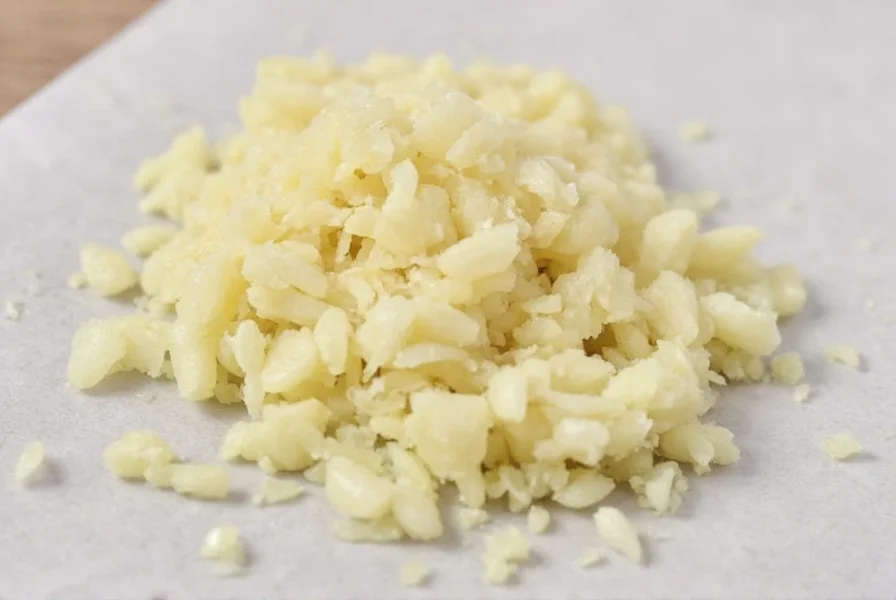
Understanding garlic measurements is essential for consistent cooking results. Many recipes specify garlic in cloves rather than volume measurements, creating confusion for home cooks. This guide provides accurate conversions and practical tips for working with fresh garlic.
Why Garlic Measurements Matter in Cooking
Garlic's potent flavor can make or break a dish. Too little leaves recipes bland, while too much creates overpowering bitterness. The difference between 2 and 3 cloves significantly impacts flavor profiles in sauces, marinades, and sautéed dishes. Professional chefs emphasize precise garlic measurements as a fundamental cooking skill.
Garlic Conversion Guide: Cloves to Volume Measurements
Standard garlic cloves vary in size, but average medium cloves provide consistent measurements. Here's a precise conversion chart for fresh garlic:
| Garlic Cloves | Minced Garlic (Teaspoons) | Minced Garlic (Milliliters) | Garlic Powder Equivalent |
|---|---|---|---|
| 1 medium clove | 1/2 tsp | 2.5 ml | 1/8 tsp |
| 2 medium cloves | 1 tsp | 5 ml | 1/4 tsp |
| 3 medium cloves | 1 1/2 tsp | 7.5 ml | 3/8 tsp |
| 4 medium cloves | 2 tsp | 10 ml | 1/2 tsp |
| 6 medium cloves | 1 tbsp | 15 ml | 3/4 tsp |
How to Properly Mince Garlic for Accurate Measurements
Proper mincing technique affects both flavor release and volume measurements. Follow these steps for consistent results:
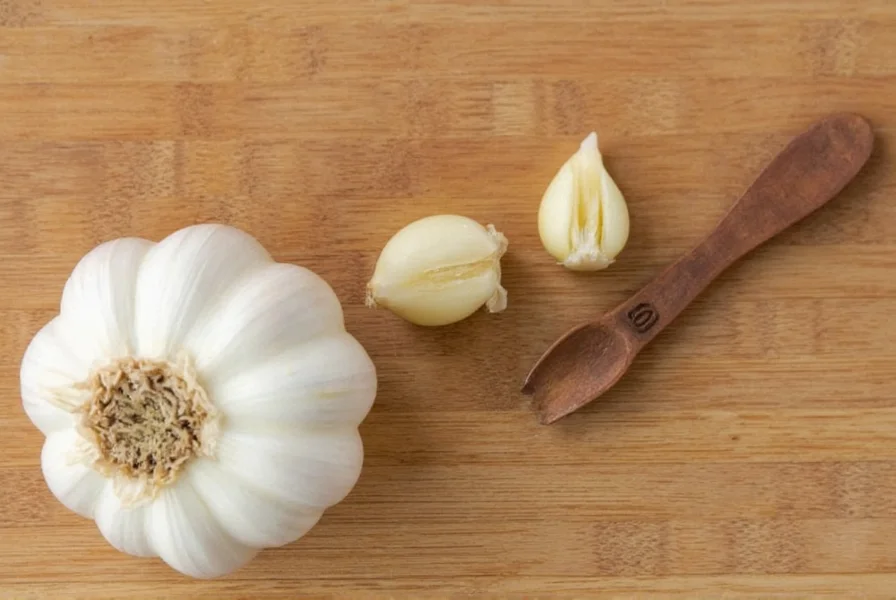
- Separate cloves from the garlic bulb and remove papery skin
- Place clove flat-side down on cutting board
- Smash gently with knife side to loosen skin further
- Finely chop garlic using a rocking knife motion
- Continue mincing until no large pieces remain (about 1-2 minutes)
- Scrape minced garlic into a measuring spoon for precise measurement
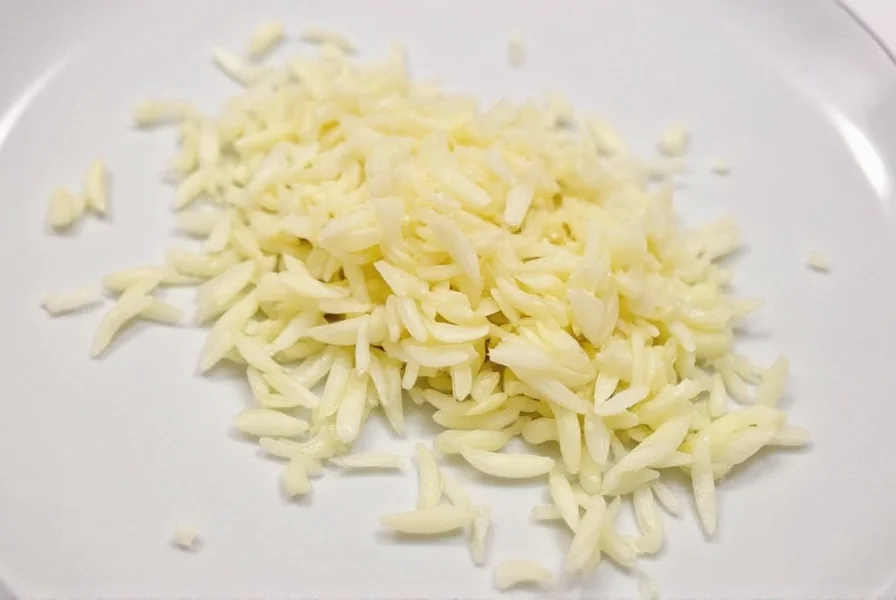
For the most accurate minced garlic 3 cloves equivalent, use a level teaspoon measurement rather than estimating by sight. The fine texture of properly minced garlic packs more densely than coarsely chopped pieces.
Substitutes When You Don't Have Fresh Garlic
Understanding how much minced garlic equals 3 cloves helps when using alternatives:
- Pre-minced jarred garlic: Use 1 1/2 teaspoons (same volume as fresh)
- Garlic powder: Substitute 3/8 teaspoon (remember: 1 clove = 1/8 tsp powder)
- Garlic paste: Use 1 1\/2 teaspoons (check sodium content in commercial pastes)
- Granulated garlic: Substitute 3\/4 teaspoon (twice as potent as powder)
When substituting, add dried garlic early in cooking to allow flavor development, while fresh garlic works best added mid-cooking to preserve its complex flavor compounds.
Culinary Applications for 3 Cloves of Minced Garlic
Recipes calling for 3 cloves minced garlic typically include:
- Pasta sauces serving 4 people
- Stir-fries for 2-3 servings
- Marinades for 1 pound of meat
- Creamy salad dressings
- Roasted vegetable blends
Chef's tip: For Mediterranean dishes, 3 cloves provides authentic background flavor without dominating. In Asian cuisine, this amount works well balanced with ginger and chili. Always taste before serving and adjust if needed—garlic intensity varies by season and growing conditions.
Storage Tips for Minced Garlic
Minced garlic loses potency faster than whole cloves. For best results:
- Store fresh minced garlic in an airtight container in the refrigerator
- Use within 24 hours for optimal flavor (up to 3 days maximum)
- Freeze extra minced garlic in ice cube trays with olive oil for longer storage
- Never store minced garlic in oil at room temperature (botulism risk)
Common Questions About Minced Garlic Measurements
How many tablespoons is 3 cloves of minced garlic?
Three cloves of minced garlic equals 1/2 tablespoon (since 3 teaspoons = 1 tablespoon, and 3 cloves = 1 1/2 teaspoons).
Can I use garlic powder instead of 3 cloves of fresh garlic?
Yes, substitute 3/8 teaspoon of garlic powder for 3 fresh cloves. Remember that garlic powder has a different flavor profile and is more concentrated, so add it early in cooking for best results.
Why does my recipe specify cloves instead of measurements?
Recipes often specify cloves because garlic size varies. Using cloves accounts for natural differences in garlic bulb size. However, when precision matters (like in baking or delicate sauces), volume measurements provide more consistent results.
Does the size of garlic cloves affect the minced measurement?
Yes, large cloves can yield up to 2 teaspoons when minced, while small cloves may produce only 1/3 teaspoon. For critical recipes, use volume measurements rather than counting cloves for accuracy.
How can I tell if minced garlic has gone bad?
Fresh minced garlic should have a clean, sharp aroma. Discard if it develops yellow or brown spots, becomes slimy, or smells sour or fermented. Properly stored in the refrigerator, fresh minced garlic lasts 1-3 days.




 浙公网安备
33010002000092号
浙公网安备
33010002000092号 浙B2-20120091-4