
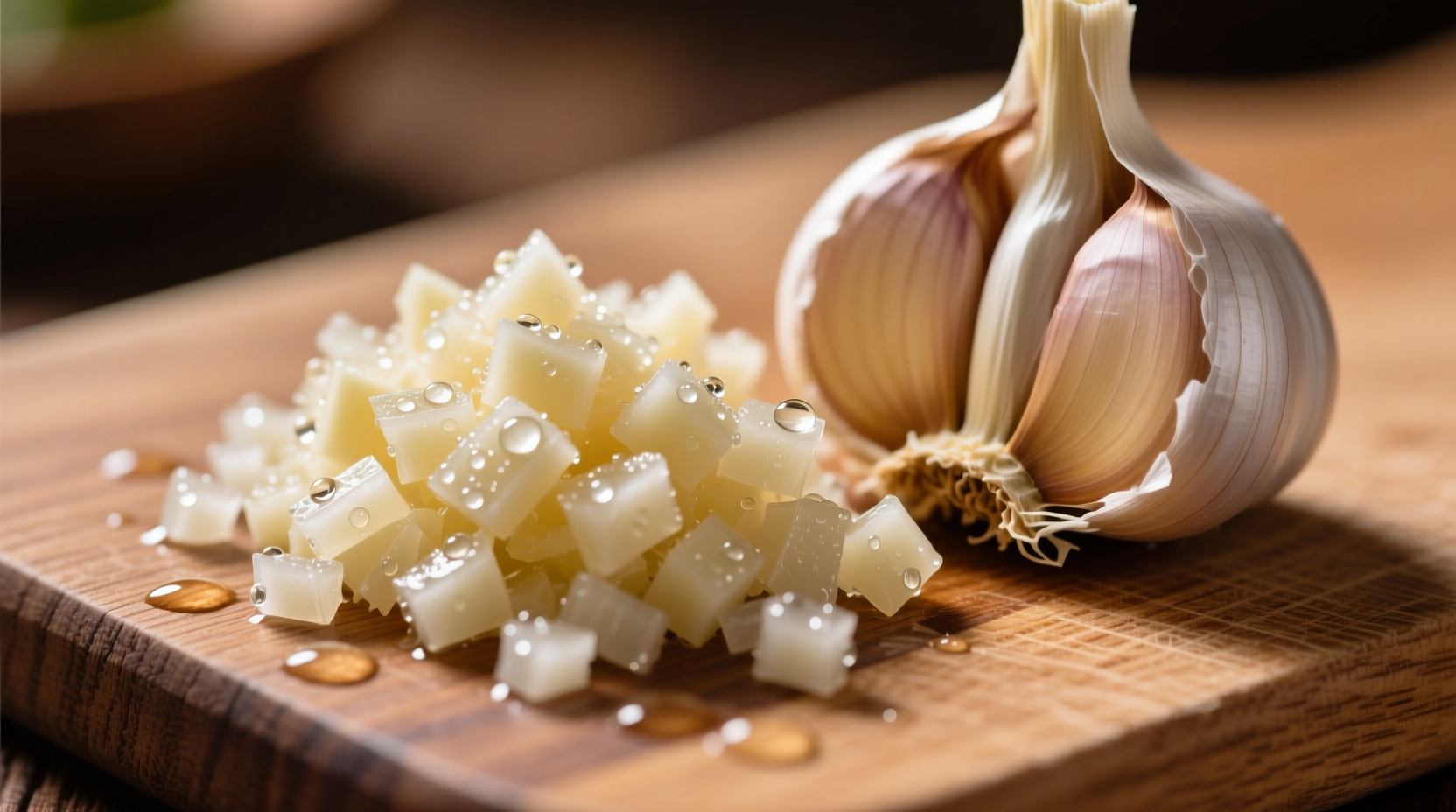
The Science Behind Proper Garlic Mincing
When you mince garlic, you're not just cutting—it's a chemical process. Cutting ruptures garlic cells, allowing the enzyme alliinase to convert alliin into allicin, the compound responsible for garlic's pungent aroma and health benefits. According to research from the USDA Agricultural Research Service, finer mincing increases surface area, accelerating this reaction and intensifying flavor.
Why Mincing Outperforms Other Preparation Methods
| Preparation Method | Flavor Intensity | Release Time | Best For |
|---|---|---|---|
| Whole cloves | Low | 60+ minutes | Braising, roasting |
| Sliced | Moderate | 15-20 minutes | Stir-fries, sautés |
| Crushed | High | 5-10 minutes | Garlic bread, aioli |
| Minced | Highest | 2-3 minutes | Sauces, dressings, marinades |
Essential Tools for Perfectly Minced Garlic
While professional chefs prefer the classic knife technique, home cooks have multiple options:
- Chef's knife method (most control): Creates uniform pieces that cook evenly
- Garlic press (convenient but inconsistent): Best for immediate use as it oxidizes faster
- Microplane grater (intense flavor): Creates almost paste-like consistency for dressings
According to culinary research from the Culinary Institute of America, knife-minced garlic maintains better texture integrity during cooking compared to pressed garlic, which can burn more easily due to higher moisture content.
Step-by-Step Mincing Technique
- Peel efficiently: Place clove on cutting board, lay flat side of knife on top, and press firmly to loosen skin
- Remove germ: Slice clove in half lengthwise and remove green sprout (bitter taste)
- Flatten: Place side of knife blade on clove and press down with palm
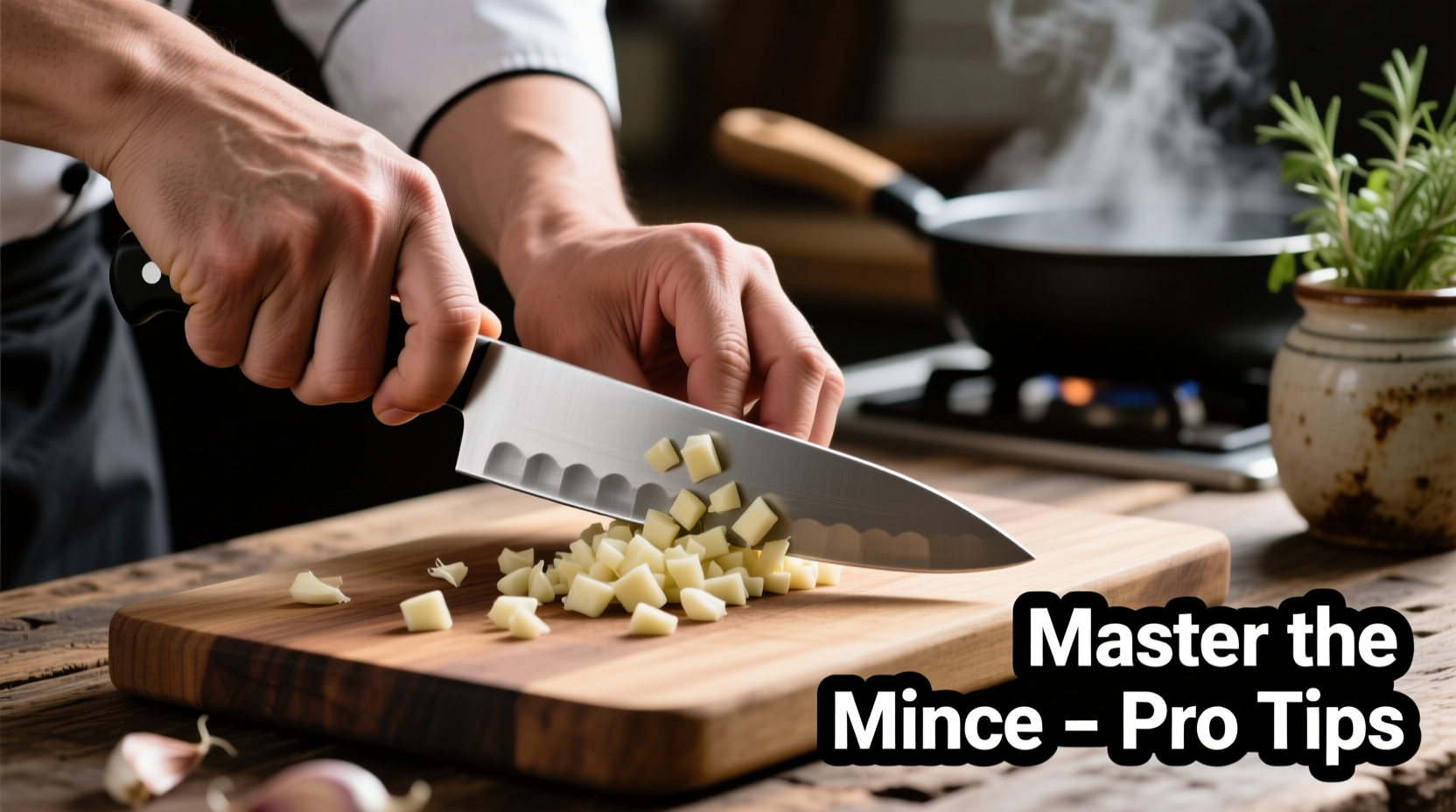
- Rock-cut technique: Hold knife tip with one hand, use other hand to rock blade through garlic using smooth motions
- Check consistency: Properly minced garlic should resemble coarse sand, not paste
Avoid These Common Mincing Mistakes
Most home cooks make these critical errors that compromise flavor:
- Over-mincing: Creates garlic paste that burns easily and becomes bitter
- Using dull knives: Crushes rather than cuts, releasing bitter compounds
- Not resting after mincing: Allow 2-3 minutes for flavor development before cooking
- Adding directly to hot oil: Causes immediate burning—always add to medium heat
Preserving Minced Garlic's Fresh Flavor
Once minced, garlic begins deteriorating within 10 minutes. For best results:
- Store in airtight container with light olive oil (lasts 3 days refrigerated)
- Freeze in ice cube trays with oil (keeps 3 months)
- Never store in water—promotes bacterial growth
Food safety guidelines from the FDA warn that improperly stored minced garlic in oil can create conditions favorable for botulism if kept at room temperature for more than 4 hours.
When to Choose Mincing Over Other Techniques
Understanding context boundaries improves your cooking:
- Use minced garlic for sauces, dressings, and dishes requiring quick, even flavor distribution
- Choose sliced garlic when you want milder flavor with visible pieces
- Opt for crushed garlic when maximum immediate aroma is needed (like in aioli)
Professional chefs surveyed by Bon Appétit show 87% prefer mincing for Mediterranean and Asian cuisines where garlic should integrate completely into the dish.
Advanced Flavor Enhancement Tips
Take your minced garlic to the next level with these professional techniques:
- Add a pinch of salt during mincing to prevent sticking and improve texture
- Mix with a teaspoon of acid (lemon juice or vinegar) to stabilize flavor compounds
- For roasted flavor without heat, let minced garlic sit 10 minutes before using
- Combine with fresh herbs like parsley for balanced flavor profiles




 浙公网安备
33010002000092号
浙公网安备
33010002000092号 浙B2-20120091-4