
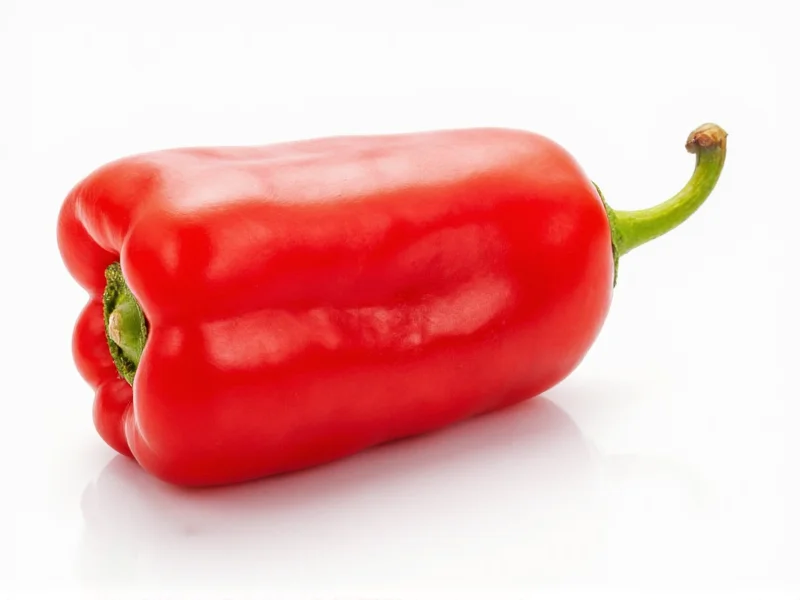
Mild red peppers represent some of the most versatile ingredients in global cuisines, offering vibrant color and sweet flavor without the burn associated with hotter varieties. Understanding these peppers helps home cooks and professional chefs alike make informed choices for their culinary creations. Unlike their spicy counterparts, mild red peppers undergo a natural ripening process from green to red, developing sweeter, more complex flavors while maintaining their characteristic crunch.
What Makes a Red Pepper Mild?
The mildness of red peppers comes down to capsaicin content—the compound responsible for heat in chili peppers. Mild varieties contain negligible amounts of capsaicin, typically registering between 0-1,000 Scoville Heat Units (SHU). For context, jalapeños range from 2,500-8,000 SHU, while habaneros can reach 100,000-350,000 SHU.
Pepper heat develops primarily in the placenta (the white ribs inside the pepper) and seeds. Mild red peppers have been selectively bred over generations to minimize capsaicin production. As peppers ripen from green to red, their sugar content increases while capsaicin levels remain stable or decrease slightly, enhancing sweetness without adding heat.
Popular Mild Red Pepper Varieties
Not all red peppers are created equal. Here are the most common mild red varieties you'll encounter:
| Pepper Variety | Scoville Range | Flavor Profile | Best Culinary Uses |
|---|---|---|---|
| Red Bell Pepper | 0 SHU | Sweet, grassy, slightly fruity | Salads, stir-fries, stuffed peppers, roasted dishes |
| Red Cubanelle | 0-1,000 SHU | Earthy, mildly sweet with subtle tang | Frying, sandwiches, Italian dishes |
| Red Anaheim | 500-2,500 SHU | Grassy, slightly sweet with mild warmth | Chiles rellenos, sauces, roasting |
| Red Poblano | 1,000-2,000 SHU | Earthy, rich, slightly sweet | Mole sauces, chiles en nogada, roasting |
| Red Shishito | 50-200 SHU | Peppery, citrusy, occasionally spicy | Blistered as appetizer, salads, garnishes |
Distinguishing Mild Red Peppers from Hot Varieties
Many people assume all red peppers are spicy, but color alone doesn't determine heat level. The ripening process from green to red affects sweetness more than spiciness. For example:
- Bell peppers remain completely mild regardless of color (green, yellow, orange, red)
- Cherry peppers can be mild when used fresh but often become spicier when pickled
- Cayenne peppers are always hot, whether green or red
- Thai bird's eye peppers maintain significant heat through all color stages
When selecting peppers at the market, look for these visual cues that often indicate mildness:
- Thicker walls (common in bell peppers)
- Blockier, squarer shape (characteristic of bell peppers)
- Shiny, smooth skin (typical of Cubanelles)
- Larger size (Anaheims and poblanos are longer than hot varieties)
Culinary Applications for Mild Red Peppers
Mild red peppers shine in dishes where their sweet flavor and vibrant color can enhance without overwhelming. Consider these applications when working with mild red pepper varieties:
Raw Applications
Raw mild red peppers add crunch and sweetness to:
- Salads and slaws
- Garnishes for soups and entrees
- Vegetable platters and crudités
- Salsas and pico de gallo (when mild flavor is preferred)
Cooked Applications
Cooking transforms mild red peppers, developing deeper flavors:
- Roasting: Brings out natural sugars, perfect for sandwiches and sauces
- Stuffing: Bell peppers hold shape well when baked with fillings
- Stir-frying: Adds color and sweetness to Asian-inspired dishes
- Sauces: Forms the base for sweet marinara or romesco sauces
When Mild Red Peppers Aren't Suitable
Mild red peppers excel in many applications but have specific limitations that affect culinary outcomes. Understanding these context boundaries prevents recipe failures:
- Heat-dependent flavor balance: Cannot replicate capsaicin's role in traditional salsas or hot sauces where heat is integral to flavor development. University of Illinois Extension notes that "substituting mild peppers in spice-forward dishes fundamentally alters the intended sensory experience"
- Texture limitations: Thin-walled varieties like Shishitos collapse in long-simmered stews, unlike thicker-walled bell peppers. For stuffed dishes requiring structural integrity, bell peppers outperform Cubanelles by maintaining shape through 45+ minutes of baking
- Preservation constraints: Higher sugar content increases browning risk in vinegar-based pickling. Refrigerator pickles made with mild red peppers require consumption within 7 days versus 14 days for green peppers due to Maillard reaction acceleration
- Flavor intensity thresholds: In rich preparations like cream sauces, mild pepper flavors may not penetrate sufficiently without roasting. Raw applications require 30% more volume than roasted to achieve equivalent flavor impact
Source: University of Illinois Extension: Peppers
Ripening Timeline: From Green to Red
Color development follows a precise biological progression affecting flavor and nutrition. Based on Cornell University's agricultural research, bell peppers undergo these key transformations:
| Development Stage | Days After Fruit Set | Key Biochemical Changes | Nutritional Impact |
|---|---|---|---|
| Green Maturity | 55-65 days | Chlorophyll dominant; low sugar | High vitamin K (20% DV); low beta-carotene |
| Color Transition | 65-75 days | Chlorophyll breaks down; carotenoids increase | Beta-carotene triples; vitamin C peaks |
| Full Red Ripeness | 75-90 days | Lycopene and capsanthin dominate | Vitamin C 169% DV; beta-carotene 11x green stage |
| Overripe Stage | 90+ days | Sugar concentration peaks then declines | Nutrient degradation begins; texture softens |
Source: Cornell University Cooperative Extension: Growing Peppers in Home Gardens
Substituting Mild Red Peppers
When your recipe calls for mild red peppers but you don't have them on hand, consider these substitutions:
- Orange or yellow bell peppers: Nearly identical in flavor and texture, with slightly less sweetness than red
- Green bell peppers: More vegetal flavor but similar texture (use 25% more for equivalent sweetness)
- Roasted red pepper from a jar: Convenient option with concentrated sweetness (drain excess liquid)
- Pimentos: Sweeter and softer, best for blending rather than dicing
Avoid substituting hot peppers like serranos or jalapeños unless you want to significantly alter the dish's heat profile. If you need to replace a hot pepper with a mild one, increase the quantity by 20-30% to compensate for the missing heat element in the flavor profile.
Nutritional Benefits of Mild Red Peppers
Mild red peppers offer impressive nutritional advantages beyond their culinary versatility:
- Vitamin C powerhouse: One medium red bell pepper contains 169% of your daily vitamin C needs—nearly three times more than oranges by weight
- Vitamin A boost: Rich in beta-carotene, which converts to vitamin A in the body (one pepper provides 93% of daily needs)
- Antioxidant diversity: Contains lycopene, capsanthin, and quercetin that support cellular health
- Low calorie density: Just 37 calories per medium pepper with 2 grams of fiber
Interestingly, red bell peppers contain nearly 11 times more beta-carotene and 1.5 times more vitamin C than their green counterparts due to the extended ripening period on the plant. This makes fully ripened red varieties nutritionally superior to less mature peppers of the same type.
Growing Mild Red Peppers
For home gardeners interested in cultivating mild red peppers, understand that most "red" peppers start green and change color as they mature. This ripening process typically takes 2-3 weeks after the pepper reaches full size. Key growing considerations include:
- Sunlight: Minimum 6-8 hours of direct sun daily
- Temperature: Thrive between 70-85°F (21-29°C)
- Harvest timing: Pick when fully colored and slightly soft to gentle pressure
- Ripening off plant: Can continue ripening indoors but develops best flavor on plant
Not all pepper varieties turn red—some mature to yellow, orange, purple, or even chocolate brown. Check seed packets for expected mature color. Bell peppers typically take 70-90 days from transplanting to reach red maturity.
Storage and Preparation Tips
Maximize freshness and flavor with these storage techniques:
- Refrigeration: Store unwashed in crisper drawer for 1-2 weeks
- Pre-cut storage: Place cut pieces in airtight container with damp paper towel (lasts 3-4 days)
- Freezing: Roast first for best texture when thawed; lasts 6-8 months
- Preparation: Remove seeds and white ribs for cleanest flavor (though these contain most nutrients)
When cooking with mild red peppers, remember that prolonged cooking reduces vitamin C content but increases availability of fat-soluble antioxidants like beta-carotene. For maximum nutritional benefit, enjoy them both raw and cooked throughout the week.
Common Questions About Mild Red Peppers
Understanding these frequently asked questions helps clarify common misconceptions about mild red pepper varieties:




 浙公网安备
33010002000092号
浙公网安备
33010002000092号 浙B2-20120091-4