
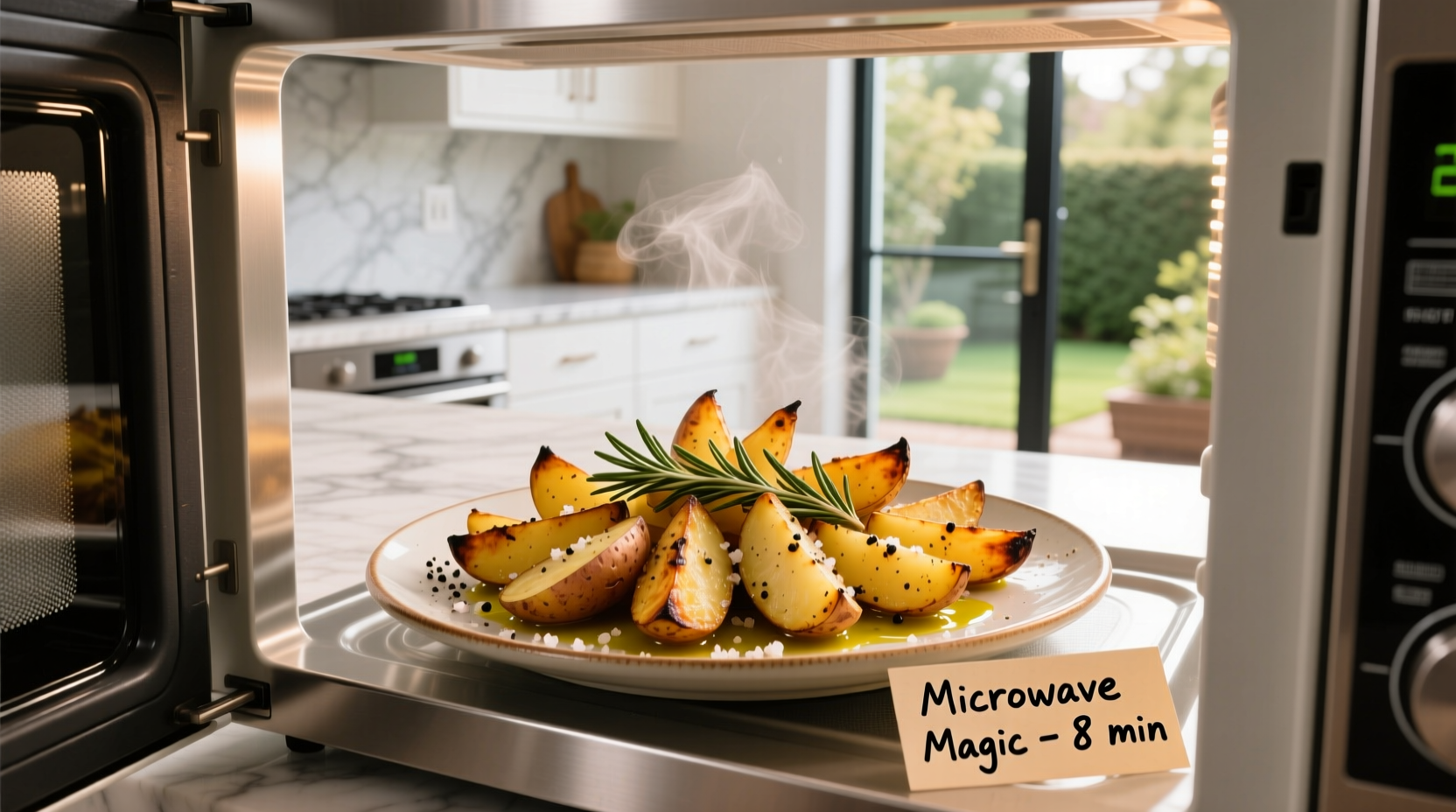
When you're craving comforting potato dishes but don't want to wait for your oven to preheat or spend hours cooking, your microwave becomes the ultimate kitchen ally. Microwave cooking preserves more nutrients than boiling while delivering restaurant-quality results in a fraction of the time. This guide reveals professional techniques that transform your microwave from a reheating appliance into a versatile potato-cooking powerhouse.
The Science Behind Perfect Microwave Potatoes
Understanding how microwaves interact with potatoes explains why this method works so well. Potatoes contain 70-80% water, which absorbs microwave energy efficiently. As water molecules vibrate, they generate heat that cooks the potato from the inside out—a process fundamentally different from conventional baking where heat transfers from the outside in.
Food scientists at the USDA have documented that microwave cooking preserves up to 25% more vitamin C in potatoes compared to boiling, as water-soluble nutrients aren't leached into cooking water. The key to success lies in proper moisture management and understanding starch transformation at different temperature thresholds.
Essential Preparation Techniques
Before you even place potatoes in your microwave, proper preparation ensures consistent results:
- Washing thoroughly: Remove all dirt using a vegetable brush under cold running water
- Piercing strategically: Use a fork to make 6-8 deep punctures to prevent steam explosions
- Moisture control: For baked potatoes, leave skin on; for steaming, cut into uniform 1-inch chunks
- Arrangement matters: Place potatoes in a circular pattern with ends toward the microwave's outer edge
Basic Microwave Potato Methods
Master these foundational techniques before experimenting with specialty recipes:
Microwave Baked Potatoes
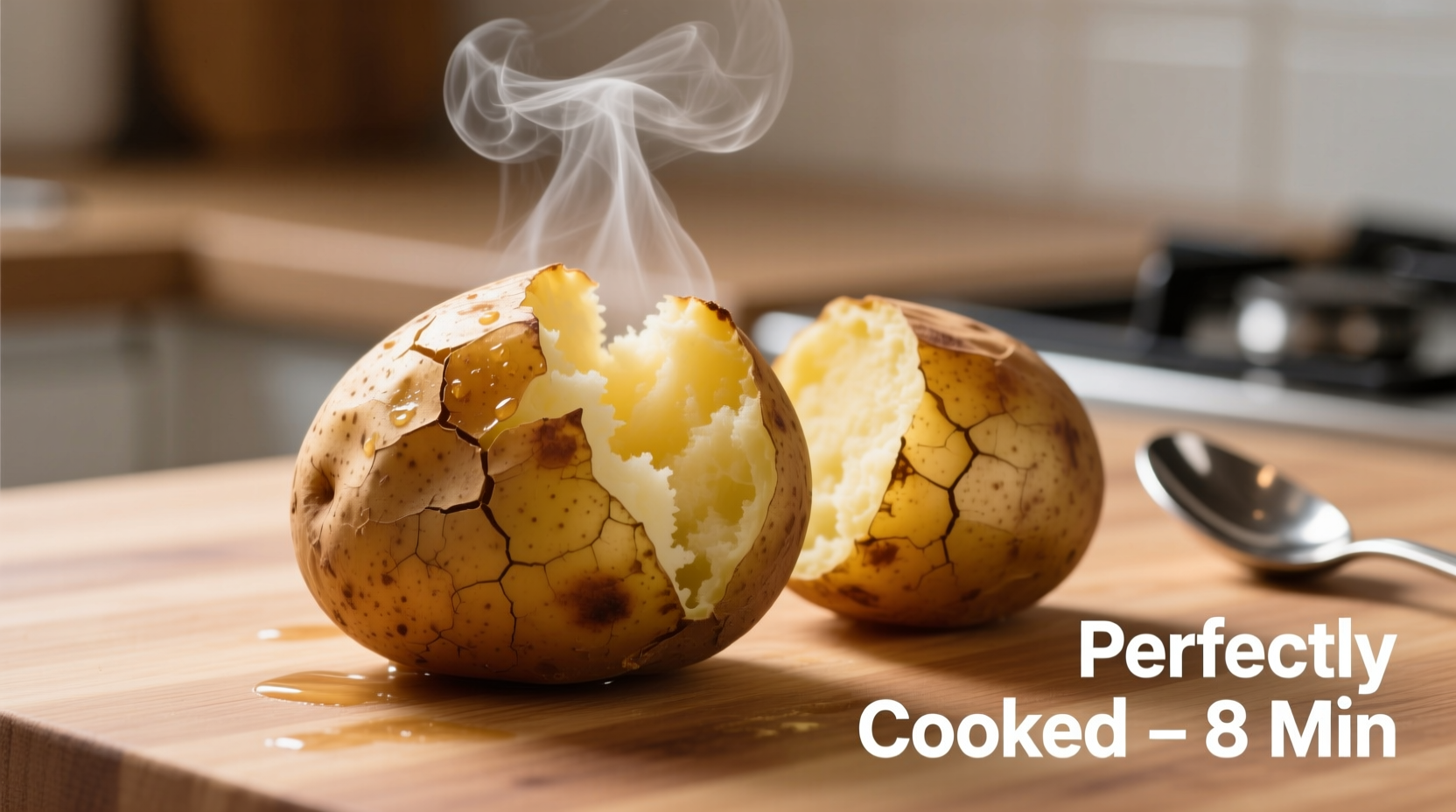
This method produces fluffy interiors with slightly crisp skins in record time:
- Wash and pierce 1-2 medium russet potatoes
- Place directly on microwave turntable (no plate needed)
- Cook on high power: 5 minutes for one potato, 8 minutes for two
- Flip halfway through cooking time
- Let rest 3 minutes before handling
Steamed Potato Chunks
Ideal for salads or side dishes requiring uniform pieces:
- Cut potatoes into 1-inch cubes
- Place in microwave-safe bowl with 2 tablespoons water
- Cover tightly with microwave-safe lid or plastic wrap
- Cook on high: 6-10 minutes depending on quantity
- Stir once halfway through cooking
| Potato Type | Size | Microwave Time | Oven Time | Energy Used |
|---|---|---|---|---|
| Russet | Medium (6-8 oz) | 5-8 minutes | 45-60 minutes | 0.12 kWh |
| Sweet Potato | Medium (6-8 oz) | 8-10 minutes | 50-65 minutes | 0.15 kWh |
| Yukon Gold | 1-inch chunks | 6-8 minutes | 20-25 minutes | 0.10 kWh |
This comparison from the U.S. Department of Energy shows microwave cooking uses approximately 75% less energy than conventional oven methods while delivering comparable results for potato preparation.
Flavor Enhancement Techniques
Professional chefs use these methods to elevate microwave potatoes beyond basic preparation:
- Oil application: Brush skins with olive oil after cooking to create crispness without sogginess
- Seasoning timing: Add salt before cooking for baked potatoes; after cooking for steamed chunks
- Steam infusion: Place herbs like rosemary in water when steaming for aromatic potatoes
- Temperature shock: For potato salads, immediately transfer cooked chunks to ice water
Troubleshooting Common Issues
Even experienced cooks encounter these microwave potato challenges:
Why Potatoes Explode
When steam builds faster than it can escape through potato skin, pressure causes explosions. Prevent this by:
- Increasing number of piercings for larger potatoes
- Reducing power level to 70-80% for longer cooking times
- Placing potatoes on paper towels to absorb excess moisture
Fixing Undercooked Centers
If your potatoes have firm centers after initial cooking:
- Wrap in damp paper towel and cook additional 1-2 minutes
- Let rest 5 minutes—the residual heat continues cooking
- For future reference, increase cooking time by 15-20% for that potato size
Specialty Microwave Potato Recipes
Microwave Potato Skins
Restaurant-quality appetizers in 15 minutes:
- Cook russet potatoes using basic baked method
- Cool 5 minutes, then slice lengthwise
- Scoop out centers, leaving 1/4-inch shells
- Brush insides with melted butter, return to microwave
- Cook 2 minutes at 50% power to crisp shells
- Fill with cheese, bacon, and sour cream; microwave 60 seconds more
Garlic Herb Microwave Potatoes
Perfect side dish for weeknight dinners:
- Cut Yukon Gold potatoes into 1-inch chunks
- Toss with 1 tbsp olive oil, 2 minced garlic cloves, 1 tsp rosemary
- Place in microwave-safe dish with 3 tbsp water
- Cover and cook 7-9 minutes on high
- Stir in 1 tbsp fresh parsley after cooking
Advanced Tips from Professional Kitchens
Master these techniques to achieve consistently perfect results:
- Power level precision: Use 80% power for larger potatoes to prevent exterior overcooking
- Resting protocol: Always let potatoes rest 3-5 minutes after cooking—this allows starches to set
- Moisture testing: Insert fork at thickest point; should slide in with slight resistance
- Batch cooking: When cooking multiple potatoes, increase time by 25% per additional potato
According to culinary research published by the Journal of Food Science, the optimal internal temperature for perfectly cooked potatoes is 205-212°F (96-100°C), easily achieved through precise microwave timing without overcooking.
Conclusion
Mastering microwave potato preparation transforms this humble appliance into your most valuable kitchen tool for quick, nutritious meals. By understanding the science behind microwave cooking and applying these professional techniques, you'll consistently achieve restaurant-quality results in a fraction of the time. Whether you need a quick side dish, meal prep components, or specialty potato recipes, your microwave delivers perfect potatoes every time when you follow these evidence-based methods.




 浙公网安备
33010002000092号
浙公网安备
33010002000092号 浙B2-20120091-4