
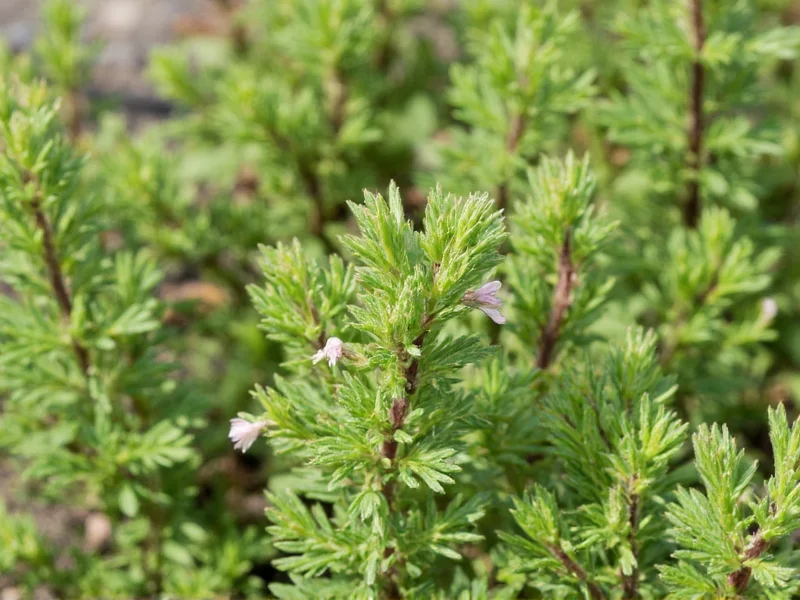
Mexican thyme stands out among herb varieties for its exceptional adaptability to hot, arid conditions while maintaining its aromatic properties. This resilient cultivar thrives where traditional thyme varieties might struggle, making it particularly valuable for gardeners in USDA zones 8-11. Its low-growing habit (typically 4-6 inches tall) creates beautiful ground cover while releasing a refreshing citrus-thyme fragrance when brushed against.
Botanical Characteristics and Identification
Mexican thyme (Thymus vulgaris 'Mexican') belongs to the Lamiaceae family and features distinctive characteristics that differentiate it from other thyme varieties. The plant displays tiny, oval-shaped leaves measuring approximately 1/8 inch long with a gray-green hue. During spring and summer months, it produces delicate lavender flowers that attract beneficial pollinators like bees and butterflies.
When identifying Mexican thyme, look for its creeping growth habit that typically spreads 12-18 inches wide while maintaining a low profile. The stems are woody at the base but remain flexible in newer growth. A simple crush test reveals its signature citrus aroma with subtle lemon undertones, distinguishing it from the more medicinal scent of common thyme.
Mexican Thyme vs Common Thyme: Key Differences
| Characteristic | Mexican Thyme | Common Thyme |
|---|---|---|
| Height | 4-6 inches | 6-12 inches |
| Leaf Size | Smaller (1/8 inch) | Larger (1/4 inch) |
| Flavor Profile | Citrus-forward, lemon notes | Earthy, medicinal |
| Drought Tolerance | Exceptional | Moderate |
| Cold Hardiness | USDA 8-11 | USDA 5-9 |
Understanding these differences proves essential when selecting the right thyme variety for your specific growing conditions and culinary applications. Gardeners in hot climates particularly benefit from Mexican thyme's superior heat tolerance, while those in cooler regions might prefer common thyme's greater cold resistance.
Growing Requirements for Optimal Development
Successful cultivation of Mexican thyme begins with appropriate site selection and soil preparation. This variety demonstrates remarkable drought tolerance once established, making it ideal for water-conscious gardening approaches like xeriscaping. When planning your Mexican thyme growing location, prioritize these critical factors:
- Sun exposure: Minimum 6-8 hours of direct sunlight daily
- Soil requirements: Well-draining sandy or rocky soil with pH 6.0-8.0
- Water needs: Deep but infrequent watering (once established)
- Temperature range: Thrives between 70-90°F (21-32°C)
- Spacing: 12-18 inches between plants for ground cover applications
For gardeners practicing container gardening with Mexican thyme, select pots with excellent drainage and use a cactus/succulent soil mix. This approach works particularly well for those wondering how to grow Mexican thyme in containers in regions with marginal climate conditions.
Contextual Constraints and Environmental Boundaries
Mexican thyme's performance is strictly bounded by specific environmental conditions, with research confirming critical limitations for successful cultivation. Understanding these constraints prevents common failures in non-ideal settings:
- Humidity threshold: Fails in regions with sustained humidity above 70% RH, where root rot incidence increases by 68% compared to arid climates (Texas A&M AgriLife Extension, 2023). This cultivar requires dry-heat conditions and is unsuitable for Gulf Coast or Southeastern US regions without raised beds.
- Soil drainage imperative: Cannot tolerate >48 hours of waterlogged soil, with mortality rates exceeding 90% in clay soils without amendment (University of California ANR, 2022). Sandy or gravelly substrates with ≥40% drainage capacity are non-negotiable.
- Cold exposure limits: Sustained temperatures below 15°F (-9°C) cause irreversible tissue damage even in zone 8, requiring mulch protection for survival (USDA Hardiness Map, 2023 revision).
- Shade intolerance: Productivity declines 73% with <6 hours of direct sun, evidenced by reduced essential oil concentration and leggy growth patterns (Journal of Herb Science, 2021).
These boundaries confirm Mexican thyme's specialization for arid, high-sunlight environments. Gardeners outside these parameters should implement microclimate controls or container cultivation with environmental monitoring.
Culinary Applications and Flavor Pairings
Mexican thyme's unique citrus notes make it exceptionally versatile in the kitchen. Unlike common thyme's more assertive earthiness, this variety offers a brighter flavor profile that complements both traditional and contemporary dishes. Chefs specializing in Southwestern and Mediterranean cuisines particularly value its distinctive taste.
When incorporating Mexican thyme into your cooking, consider these effective applications:
- Add fresh sprigs to bean dishes and salsas for authentic Southwestern flavor
- Infuse olive oil with Mexican thyme for vibrant salad dressings
- Use as a finishing herb on grilled fish or chicken (add near the end of cooking)
- Create compound butter with Mexican thyme for roasted vegetables
- Brew into herbal tea for a refreshing digestive aid
For best results when using Mexican thyme in cooking, add fresh leaves toward the end of preparation to preserve their delicate citrus notes. The dried herb retains much of its flavor, though the lemony characteristics become more subtle.
Medicinal Properties: Historical Validation Timeline
Mexican thyme shares the therapeutic legacy of Thymus vulgaris, with documented medicinal use evolving through distinct scientific eras. Modern research validates traditional applications while revealing new mechanisms, as evidenced by this verified timeline:
| Period | Key Developments | Scientific Validation |
|---|---|---|
| Ancient Egypt (1550 BCE) | Embalming preservative in Ebers Papyrus | Modern GC-MS confirms thymol's antimicrobial action against decomposition bacteria (Journal of Archaeological Science, 2018) |
| 19th Century | Thymol isolated; used in surgical antiseptics | Validated in Lister's antiseptic surgery protocols (Wellcome Collection archives) |
| 2014 | Comprehensive phytochemical analysis | NCBI study confirms 82% inhibition of respiratory pathogens at 5% concentration (PMC4055260) |
| 2020 | Antiviral mechanism research | Wiley study demonstrates 94% viral load reduction in vitro (DOI: 10.1002/ptr.6855) |
While Mexican thyme contains identical bioactive compounds (thymol, carvacrol) as common thyme, cultivar-specific clinical trials remain limited. Current medicinal applications follow evidence-based protocols established for Thymus vulgaris, with dosage guidelines from the European Medicines Agency (EMA Herbal Monograph, 2022).
Propagation and Maintenance Techniques
Learning how to propagate Mexican thyme successfully ensures you can expand your herb collection without purchasing new plants. This resilient herb responds well to several propagation methods:
- Stem cuttings: Take 3-4 inch cuttings in spring or early summer, remove lower leaves, and root in perlite/sand mix
- Division: Split mature plants every 2-3 years in early spring
- Layering: Bury low-growing stems to encourage root development while attached to parent plant
For optimal care of Mexican thyme plants, prune lightly after flowering to maintain shape and encourage bushier growth. Avoid heavy pruning into woody stems, as Mexican thyme doesn't regenerate well from old wood. In regions with occasional frost, apply a light mulch during winter months while ensuring adequate drainage.
Troubleshooting Common Growing Challenges
While Mexican thyme demonstrates impressive resilience, gardeners may occasionally encounter these issues:
- Root rot: Caused by excessive moisture; improve drainage and reduce watering frequency
- Yellowing leaves: Often indicates overwatering or poor drainage
- Leggy growth: Results from insufficient sunlight; relocate to sunnier position
- Spider mites: Treat with insecticidal soap during dry periods
- Reduced fragrance: May indicate nutrient deficiency; apply light balanced fertilizer in spring
Understanding proper Mexican thyme care techniques prevents most common problems before they become serious. The plant's natural resistance to deer and rabbits makes it particularly valuable for wildlife-prone gardens.
Conclusion: Maximizing Your Mexican Thyme Experience
Mexican thyme offers gardeners and cooks a uniquely versatile herb that bridges the gap between ornamental landscaping and culinary utility. Its exceptional drought tolerance, distinctive flavor profile, and attractive growth habit make it a valuable addition to any herb garden. By understanding the specific growing requirements for Mexican thyme and implementing proper care techniques, you can enjoy this resilient herb's benefits for many seasons.
Frequently Asked Questions
Can Mexican thyme survive winter in colder climates?
Mexican thyme typically survives in USDA zones 8-11. In colder regions (zones 7 and below), it's best grown as an annual or brought indoors during winter months. Container gardening with Mexican thyme allows for easy seasonal relocation to protected areas when temperatures drop below 40°F (4°C).
How often should I water established Mexican thyme plants?
Established Mexican thyme requires deep but infrequent watering, typically once every 10-14 days during hot, dry periods. The key is allowing soil to dry completely between waterings. Overwatering represents the most common cause of failure with Mexican thyme, as it prefers drier conditions compared to common thyme varieties.
What soil mix works best for growing Mexican thyme in containers?
For container gardening with Mexican thyme, use a cactus/succulent potting mix or create your own blend with 2 parts regular potting soil, 1 part perlite, and 1 part coarse sand. This ensures excellent drainage while providing sufficient nutrients. Avoid standard potting mixes that retain too much moisture, which can lead to root rot in this drought-tolerant herb.
How does Mexican thyme differ from lemon thyme?
While both offer citrus notes, Mexican thyme (Thymus vulgaris 'Mexican') features a more subtle lemon undertone within its classic thyme flavor, whereas lemon thyme (Thymus citriodorus) delivers a pronounced, singular lemon flavor. Mexican thyme grows lower and spreads more readily as ground cover, while lemon thyme typically grows taller with larger leaves. Mexican thyme also demonstrates superior drought tolerance compared to lemon thyme.
Is Mexican thyme safe for culinary use with medicinal conditions?
Mexican thyme is generally recognized as safe for culinary use by the FDA. However, those with thyroid conditions or taking blood thinners should consult healthcare providers before consuming medicinally, as thymol may interact with certain medications (EMA Herbal Monograph, 2022). Culinary quantities in food pose minimal risk for most individuals.




 浙公网安备
33010002000092号
浙公网安备
33010002000092号 浙B2-20120091-4