
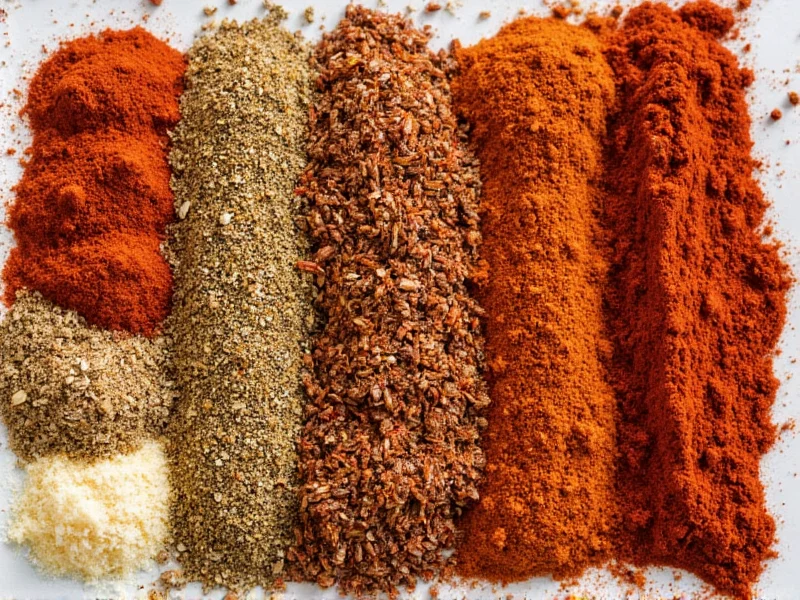
When preparing pork with authentic Mexican flavors, understanding the right spice combinations transforms ordinary cuts into extraordinary meals. Mexican cuisine's regional diversity offers multiple approaches to seasoning pork, each with distinctive flavor profiles that have evolved over centuries of culinary tradition.
Essential Mexican Spices for Pork Preparation
Mexican cooking relies on a core set of spices that interact beautifully with pork's natural richness. Unlike generic 'taco seasoning' blends found in supermarkets, authentic Mexican pork preparations use specific spice combinations that vary by region and dish.
| Spice | Flavor Profile | Best Pork Cuts | Traditional Dish Applications |
|---|---|---|---|
| Achiote (Annatto) | Earthy, slightly peppery, with subtle floral notes | Shoulder, belly | Cochinita pibil, recado rojo |
| Guajillo Chili | Berry-like, mild heat, tangy | Loins, chops | Adobados, marinades |
| Chipotle in Adobo | Smoky, spicy, slightly sweet | Shoulder, ribs | Carnitas, braises |
| Mexican Oregano | Citrusy, less sweet than Mediterranean oregano | All cuts | Moles, adobos, salsas |
| Cumin | Earthy, warm, slightly bitter | Shoulder, ribs | Barbacoa, carnitas |
Regional Mexican Spice Traditions for Pork
Mexico's diverse regions each have distinctive approaches to seasoning pork, reflecting local ingredients and historical influences:
Yucatán Peninsula: Achiote-Based Traditions
The Yucatán region features cochinita pibil, where pork shoulder marinates in achiote paste (recado rojo) with bitter orange juice, garlic, and spices, then slow-cooks in banana leaves. This method creates tender, flavorful pork with earthy notes from the achiote and bright acidity from the citrus.
Authentic achiote paste combines:
- Ground annatto seeds
- Vinegar or bitter orange juice
- Garlic
- Oregano
- Cumin
- Black pepper
- Cloves (in some variations)
Central Mexico: Chile-Based Adobos
In central Mexico, dried chilies form the foundation of pork seasoning. Adobo rojo typically uses guajillo and ancho chilies blended with vinegar, garlic, and spices to create a rich marinade for pork shoulder. The guajillo provides mild heat with berry-like notes, while ancho contributes sweetness and depth.
For authentic results, toast dried chilies before rehydrating them. This technique unlocks complex flavors that powdered versions can't replicate. Traditional adobo recipes often include:
- Guajillo chilies (primary)
- Ancho or pasilla chilies (for depth)
- Garlic
- Vinegar or citrus
- Mexican oregano
- Cumin
Western Mexico: Carnitas Seasoning
Mexico's western regions, particularly Michoacán, perfected carnitas—confit-style pork where seasoning complements rather than overwhelms the meat. Traditional carnitas use minimal spices to highlight pork's natural flavor:
- Orange juice (for acidity)
- Garlic
- Bay leaves
- Black pepper
- Occasional cumin
The magic happens through slow cooking in its own fat, with spices enhancing rather than dominating the flavor profile.
Creating Authentic Mexican Pork Spice Blends
Understanding how to combine these spices properly makes the difference between authentic flavor and generic 'Mexican-style' seasoning. Consider these professional techniques:
Layering Flavors Through Preparation Methods
Mexican cooking emphasizes how spices are prepared, not just which ones are used:
- Dry-toasting spices: Briefly toast whole cumin seeds or dried chilies before grinding to intensify flavors
- Rehydrating dried chilies: Properly rehydrated chilies create deeper flavor than chili powders
- Marinating time: Acidic marinades (with citrus or vinegar) need 4-12 hours; dry rubs work best with 24 hours
- Building adobo pastes: Blend spices with liquid components to create emulsified marinades that penetrate meat
Avoiding Common Mistakes with Mexican Spices
Many home cooks make these errors when preparing Mexican pork dishes:
- Using Mediterranean oregano instead of Mexican oregano (different flavor profiles)
- Overusing cumin (should complement, not dominate)
- Substituting smoked paprika for chipotle (different flavor chemistry)
- Using pre-ground spices instead of freshly grinding whole spices
- Not balancing acidity with spices (citrus or vinegar is essential)
Practical Application Guide
For best results with different pork cuts:
Pork Shoulder (Carnitas, Cochinita Pibil)
Use achiote-based or chile-based adobo with generous amounts of garlic and citrus. Shoulder's fat content handles bold flavors well. Marinate 12-24 hours before slow cooking.
Pork Loin or Chops
Use lighter applications of guajillo-based adobos with emphasis on citrus notes. These leaner cuts require less intense seasoning to avoid overpowering the meat.
Pork Belly or Ribs
Combine chipotle with achiote for smoky-earthy complexity. The rich fat content of these cuts stands up to robust spice combinations.
Traditional Mexican Pork Spice Ratios
Professional chefs follow these proportions for authentic results:
- Basic Adobo Paste: 4 dried guajillo chilies : 2 garlic cloves : 1 tsp cumin : 1 tsp Mexican oregano : 2 tbsp vinegar
- Achiote Marinade: 2 tbsp achiote paste : 3 garlic cloves : 1 orange (juiced) : 1 tsp oregano : ½ tsp cumin
- Carnitas Seasoning: 1 orange (juiced) : 4 garlic cloves : 2 bay leaves : 1 tsp black pepper per 3 lbs pork
Remember that authentic Mexican cooking prioritizes balance—no single spice should dominate. The goal is a harmonious blend where each component enhances the others while complementing the pork's natural flavor.




 浙公网安备
33010002000092号
浙公网安备
33010002000092号 浙B2-20120091-4