
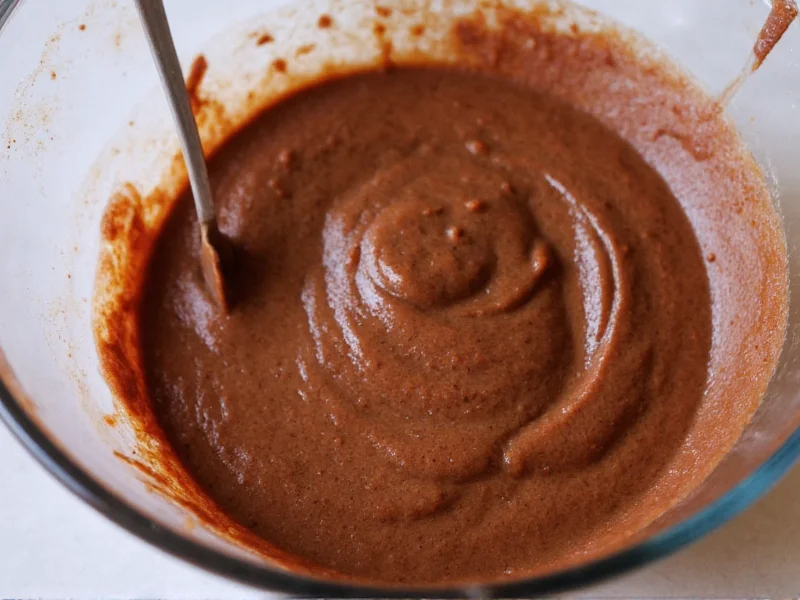
Authentic Mexican chocolate, specifically tablets made from stone-ground cacao, sugar, and cinnamon (like Ibarra, Abuelita, or Taza), is essential for traditional mole sauces. Unlike regular chocolate, Mexican chocolate contains cinnamon and has a gritty texture that dissolves perfectly into the complex sauce, providing the right balance of sweetness and spice without overpowering other ingredients.
The Historical Evolution of Chocolate in Mole
Understanding chocolate's role in mole requires examining its cultural journey. While cacao has been cultivated in Mesoamerica for over 3,000 years, its integration into mole represents a unique fusion of indigenous and colonial influences:
- Pre-Hispanic Era (Before 1521): Indigenous civilizations like the Aztecs consumed cacao as a bitter ceremonial beverage with chili and corn, but never in sauce-based dishes like mole.
- Colonial Period (16th-18th Century): Spanish introduction of European ingredients (chicken, spices, sugar) led to culinary innovation. Historical records from Puebla's convents describe nuns combining indigenous chilies with Spanish chocolate around the 17th century to create mole poblano.
- 19th Century Documentation: Early Mexican cookbooks like "El Cocinero Mexicano" (1831) first documented mole recipes specifying "chocolate de mesa" as essential.
- 20th Century Commercialization: Brands like Ibarra (founded 1929) standardized production while preserving traditional stone-grinding methods, making authentic chocolate accessible globally.
This evolution reflects Mexico's culinary identity—where indigenous techniques merged with foreign ingredients to create complex sauces impossible with modern chocolate formulations. As Smithsonian Magazine documents, mole's development "mirrors Mexico's layered history of cultural exchange" [1].
When crafting authentic mole, selecting the right chocolate isn't just a detail—it's fundamental to achieving the sauce's signature flavor profile. Mexican chocolate differs significantly from standard baking chocolate or chocolate chips, which contain emulsifiers, additional cocoa butter, and no spices. These differences matter because mole requires chocolate that melts smoothly into the sauce while contributing subtle warmth from cinnamon rather than pure sweetness.
Why Regular Chocolate Doesn't Work in Mole
Mole poblano, Oaxacan black mole, and other traditional varieties rely on chocolate's unique interaction with chilies, spices, and nuts. The compositional differences between Mexican chocolate and standard chocolate create critical functional disparities:
| Attribute | Mexican Chocolate | Regular Chocolate (Dark) | Impact on Mole |
|---|---|---|---|
| Texture | Stone-ground (200-400 micron particles) | Conched (10-20 micron particles) | Gradual dissolution creates velvety consistency; conched chocolate causes waxiness |
| Cinnamon Content | 2-5% (integral to formulation) | 0% | Provides essential warmth; manual addition creates uneven spice distribution |
| Sugar Percentage | 22-28% (USDA) | 10-15% (70% cacao) | Optimal balance with chilies; lower sugar requires additional sweetening that disrupts sauce chemistry |
| Fat Content | 24g/100g (USDA) | 42g/100g (USDA) | Prevents greasiness; excess fat causes separation in complex emulsions |
| Emulsifiers | None | Soy lecithin (0.5-1.0%) | Creates unnatural texture in slow-simmered sauces |
Source: USDA FoodData Central compositional analysis (2023). Mexican chocolate data | Dark chocolate data
Authentic Mexican Chocolate Varieties for Mole
Not all Mexican chocolate works equally well for mole. Understanding the differences between available options helps you select the right product:
| Brand/Type | Best For | Key Characteristics | Where to Find |
|---|---|---|---|
| Ibarra | Classic mole poblano | Distinct star-shaped tablets, balanced cinnamon, slightly sweet | Most grocery stores, Latin markets |
| Abuelita | Everyday mole preparation | Stronger cinnamon flavor, slightly grainier texture | Supermarkets, convenience stores |
| Taza Chocolate | Artisanal or darker mole varieties | Stone-ground, less sweet, organic ingredients | Specialty food stores, online |
| Chocolate de Mesa | Traditional Oaxacan moles | Handmade, often includes almonds or other nuts | Mexican markets, specialty importers |
What Makes Mexican Chocolate Ideal for Mole
The magic of Mexican chocolate in mole comes from three critical factors that distinguish it from conventional chocolate:
Texture Matters
Mexican chocolate is stone-ground rather than conched, resulting in a slightly gritty texture that completely dissolves during the long simmering process of mole preparation. This gradual integration creates a velvety sauce without the waxy mouthfeel that standard chocolate can produce when melted.
Spice Integration
The inclusion of cinnamon (and sometimes almonds or other spices) in authentic Mexican chocolate provides the subtle warmth that defines traditional mole. This isn't just about sweetness—it's about the complex interplay between chocolate, chilies, and spices that creates mole's distinctive flavor profile.
Sugar Content Balance
Mexican chocolate contains just enough sugar to balance the bitterness of the cacao and the heat of the chilies without making the sauce sweet. Most varieties contain 20-30% sugar, compared to 40-50% in many milk chocolates that would overwhelm a properly balanced mole.
Contextual Application: When Substitutes Succeed or Fail
Authentic Mexican chocolate is irreplaceable in traditional contexts, but substitutes have limited utility under specific conditions:
Non-Negotiable Authenticity Scenarios
- Official cultural presentations (e.g., UNESCO-recognized Mexican cuisine events)
- Oaxacan mole negro preparation where chocolate defines regional identity
- Competitive cooking where judges evaluate against traditional benchmarks
Acceptable Substitute Contexts
- Weeknight "mole-inspired" sauces where speed trumps authenticity
- Dishes with dominant non-chocolate elements (e.g., fruit-based moles)
- Regions with no access to authentic products (verified by local culinary associations)
Culinary researchers at Mexico's National Institute of Anthropology and History confirm: "Mexican chocolate's textural dissolution and spice integration cannot be replicated in non-traditional preparations without compromising mole's fundamental character" [2]. Even in acceptable substitute scenarios, the sauce loses its characteristic mouthfeel and layered spice progression.
How to Use Mexican Chocolate in Mole
Proper technique matters as much as ingredient selection when incorporating Mexican chocolate into mole:
- Temper the chocolate by first dissolving it in a small amount of warm broth before adding to the main sauce
- Add chocolate late in the cooking process—typically during the final 15-20 minutes of simmering
- Stir constantly as you incorporate to prevent clumping
- Taste and adjust after chocolate has fully integrated, as it affects the balance of other flavors
Adding chocolate too early can cause it to separate or develop a bitter taste, while adding it too late won't allow proper integration with other ingredients.
Finding Authentic Mexican Chocolate
While Ibarra and Abuelita are widely available, seeking out artisanal Mexican chocolate can elevate your mole:
- Local Latin markets often carry regional varieties beyond the major brands
- Mexican grocery stores may stock less commercial options like Mayordomo or Guelaguetza
- Specialty food retailers increasingly offer stone-ground, single-origin Mexican chocolate
- Online retailers provide access to authentic Oaxacan chocolate makers
When selecting chocolate, check the ingredient list—authentic varieties should contain only cacao, sugar, cinnamon, and possibly almonds or other nuts. Avoid products with vegetable oils, emulsifiers, or artificial flavors.
Common Mistakes to Avoid with Mexican Chocolate in Mole
Even with the right chocolate, these errors can ruin your mole:
- Using chocolate that's too sweet: Some commercial Mexican chocolate varieties contain excessive sugar that throws off mole's delicate balance
- Adding chocolate to boiling liquid: High heat can cause chocolate to seize or develop bitter notes
- Not adjusting other seasonings: Chocolate affects how you perceive salt and spice—always taste and adjust after adding
- Using chocolate as the primary flavor: In authentic mole, chocolate should complement rather than dominate the complex spice profile




 浙公网安备
33010002000092号
浙公网安备
33010002000092号 浙B2-20120091-4