
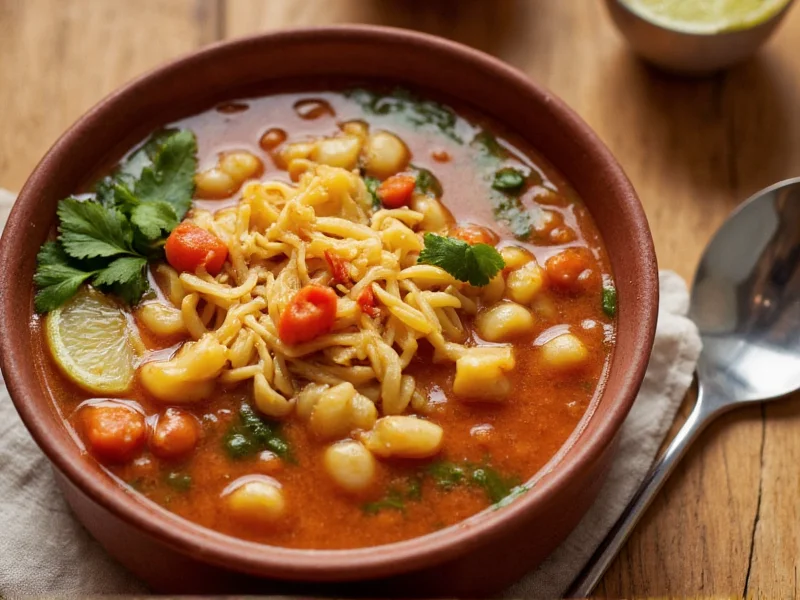
For generations, menudo soup has been a cornerstone of Mexican culinary tradition, particularly in central and northern regions. This distinctive dish stands apart from other soups through its unique combination of ingredients and preparation methods that have been perfected over centuries. Understanding authentic menudo soup preparation requires appreciation for both its culinary techniques and cultural context.
The Cultural Significance of Menudo Soup
Menudo holds deep cultural roots in Mexican cuisine, traditionally prepared for special occasions and weekend family gatherings. Many communities consider it the ultimate hangover remedy, often served after celebrations. The dish's origins trace back to pre-Hispanic times when indigenous peoples utilized all parts of the animal, reflecting the nose-to-tail eating philosophy. Spanish influences later introduced tripe to the recipe, creating the version most recognized today.
Regional variations exist throughout Mexico and the American Southwest, with each area claiming the most authentic preparation method. In northern Mexico, menudo blanco (white menudo) appears without the red chili base, while coastal regions might incorporate local ingredients. Understanding these regional differences helps appreciate the diversity within this seemingly simple dish.
Essential Ingredients for Authentic Menudo Soup
Creating genuine menudo soup requires specific ingredients that work together to produce its distinctive flavor profile. The foundation consists of:
| Core Ingredient | Preparation Requirement | Authenticity Factor |
|---|---|---|
| Beef tripe (honeycomb) | Thoroughly cleaned and boiled multiple times | Essential - cannot be substituted |
| Hominy (nixtamalized corn) | Pre-cooked or canned | Essential - provides texture |
| Guajillo or Colorado chilies | Rehydrated and blended | Essential for red menudo |
| Garlic, onion, oregano | Freshly prepared | Essential for flavor base |
| Lime and chopped onions | Fresh for garnish | Traditional serving accompaniment |
Many home cooks make the mistake of skipping the critical cleaning process for tripe, resulting in unpleasant flavors. Proper preparation involves multiple boiling cycles with vinegar or lemon to remove impurities. The hominy should be added at the right stage to maintain its distinctive texture without becoming mushy.
Step-by-Step Traditional Menudo Soup Preparation
Creating authentic menudo soup requires patience and attention to detail. The traditional preparation process spans approximately 4-5 hours, though modern adaptations sometimes reduce this time:
- Clean the tripe thoroughly by boiling in multiple changes of water with vinegar until clean and tender (1.5-2 hours)
- Prepare the chili base by rehydrating dried chilies, removing seeds, and blending with garlic and onion
- Sauté the chili mixture until the oil separates, creating the essential flavor foundation
- Add cleaned tripe and broth to the chili base and simmer for 2-3 hours until tripe reaches desired tenderness
- Incorporate hominy during the final hour of cooking
- Season with oregano, salt, and additional spices to taste
- Rest overnight - authentic menudo tastes best the second day when flavors fully meld
The overnight resting period significantly improves flavor development, which explains why menudo traditionally appears as a weekend dish rather than a weekday meal. This slow cooking process transforms the tripe into a tender, flavorful component that defines authentic menudo soup.
Regional Variations and Modern Adaptations
Menudo soup varies significantly across different regions, each claiming authenticity:
- Mexican Menudo Rojo - The most common version featuring a rich red chili broth with tripe and hominy
- Menudo Blanco - Northern Mexican version without chili peppers, often featuring a clear broth
- Tex-Mex Menudo - Frequently includes additional meats like beef feet for extra gelatinous texture
- Menudo with Chicken - Modern adaptation that substitutes some tripe with chicken for milder flavor
When exploring traditional menudo soup recipes, understanding these regional differences helps select the version that best matches your taste preferences. Some families add potatoes, carrots, or other vegetables, though purists consider these additions non-traditional.
Perfecting Your Menudo Soup: Expert Tips
Even experienced cooks encounter challenges with menudo preparation. These professional tips ensure success with your authentic menudo soup recipe:
- Tripe cleaning is non-negotiable - Multiple boiling cycles with acidic components (vinegar or lemon) remove unwanted flavors
- Chili selection matters - Guajillo chilies provide depth while Colorado chilies deliver vibrant color
- Don't rush the cooking process - Properly prepared tripe requires 3-4 hours of simmering to achieve ideal tenderness
- Season in stages - Add salt gradually throughout cooking rather than all at once
- Serve with traditional accompaniments - Fresh lime wedges, chopped onions, oregano, and warm tortillas complete the experience
Many first-time makers of menudo soup underestimate the importance of proper tripe preparation. Skipping the thorough cleaning process results in off-flavors that cannot be corrected later. Taking time with this initial step makes the difference between mediocre and exceptional menudo.
Serving and Enjoying Authentic Menudo
Traditional menudo soup service follows specific customs that enhance the experience. Serve menudo piping hot in deep bowls with accompaniments on the side, allowing each person to customize their bowl. The classic combination includes:
- Freshly squeezed lime juice
- Finely chopped white onions
- Dried Mexican oregano
- Warm corn or flour tortillas
- Optional: chopped cilantro and sliced radishes
Many families consider menudo soup a social dish, meant for sharing during weekend gatherings. The rich broth and tender tripe create a satisfying meal that has sustained its popularity through generations. When prepared authentically, menudo delivers complex flavors that reward the time invested in its preparation.
What is the difference between menudo and pozole?
Menudo contains tripe (beef stomach) as its primary meat, while pozole uses pork or chicken. Both dishes feature hominy, but menudo has a distinctive red chili broth made from guajillo or Colorado chilies, whereas pozole typically has a clearer broth. Menudo is traditionally considered a weekend dish and hangover remedy, while pozole appears at various celebrations throughout Mexican culture.
Can I make menudo soup without tripe?
While you can create a soup with the same broth and hominy, authentic menudo requires tripe as its defining ingredient. Substituting other meats creates a different dish entirely. Some modern adaptations use chicken or additional hominy, but these variations lack the traditional texture and flavor profile that makes menudo distinctive. If tripe is unavailable, consider trying menudo blanco which sometimes uses alternative ingredients while maintaining the essential preparation method.
Why does menudo soup taste better the next day?
Menudo soup flavors deepen overnight as the complex broth ingredients fully integrate. The collagen from the tripe continues to break down, creating a richer mouthfeel, while the chili flavors mellow and blend. This resting period allows starches from the hominy to better absorb the broth's flavors. Traditional menudo preparation always includes this overnight rest, which is why it's typically prepared the day before serving.
How long does properly prepared menudo soup last?
When stored in airtight containers in the refrigerator, authentic menudo soup maintains quality for 4-5 days. The high acidity from the chili base helps preserve the soup. For longer storage, freeze portions for up to 3 months. Always reheat menudo thoroughly to 165°F (74°C) before serving. Note that the hominy will continue absorbing liquid over time, so you may need to add additional broth when reheating.
What are common mistakes when making menudo soup?
The most frequent errors include insufficient tripe cleaning (resulting in unpleasant flavors), inadequate cooking time (leaving tripe tough), using poor quality chilies (creating bitter broth), and skipping the essential resting period. Many beginners also add hominy too early, causing it to become mushy. Proper menudo preparation requires patience at each stage - rushing any step compromises the final result.




 浙公网安备
33010002000092号
浙公网安备
33010002000092号 浙B2-20120091-4