
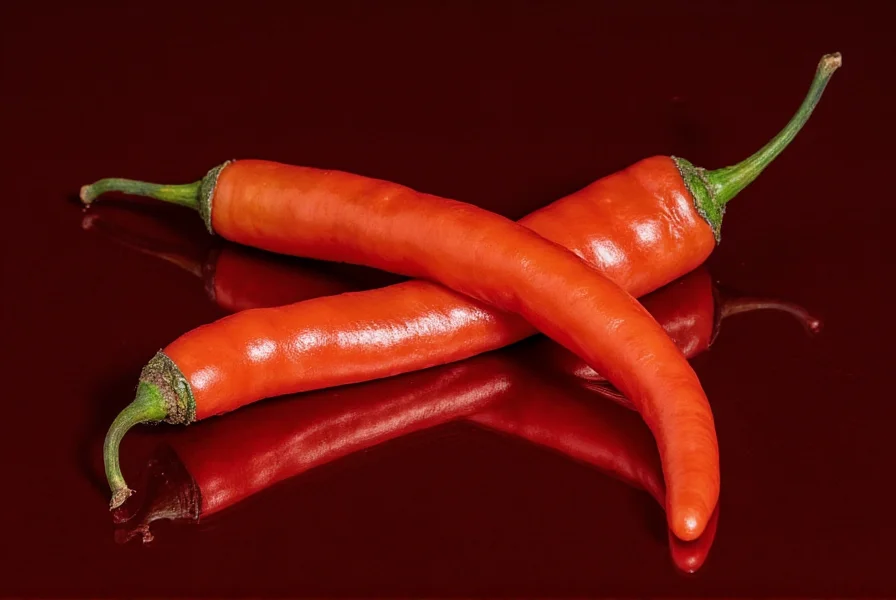
For spice lovers seeking authentic ghost pepper experience, Melinda's Ghost Pepper sauce stands out in the crowded hot sauce market. Unlike many commercial hot sauces that dilute the ghost pepper's natural characteristics, this product showcases the Bhut Jolokia's complex flavor profile while maintaining its formidable heat level. The sauce formulation typically includes just ghost peppers, vinegar, salt, and sometimes garlic, allowing the pepper's natural qualities to shine through.
Understanding Ghost Pepper Heat Measurement
Modern heat quantification has evolved significantly since Wilbur Scoville's 1912 organoleptic test. Today, high-performance liquid chromatography (HPLC) provides precise capsaicinoid measurements, eliminating human taste panel subjectivity. New Mexico State University's Chile Pepper Institute—the global authority on chile research—validates that Melinda's consistent heat range (1,000,000-1,500,000 SHU) reflects rigorous batch testing protocols. This precision matters because raw ghost peppers naturally vary between 800,000-1,041,427 SHU due to growing conditions, while sauce formulation concentrates capsaicinoids during processing.
| Pepper/Sauce | Scoville Heat Units | Heat Comparison |
|---|---|---|
| Ghost Pepper (raw) | 800,000-1,041,427 SHU | 100-130 times hotter than jalapeño |
| melinda's ghost pepper sauce | 1,000,000-1,500,000 SHU | 125-185 times hotter than jalapeño |
| Habanero Pepper | 100,000-350,000 SHU | 12-40 times hotter than jalapeño |
| Carolina Reaper | 1,400,000-2,200,000 SHU | 175-275 times hotter than jalapeño |
Historical Context and Commercial Evolution
The Bhut Jolokia's journey from regional Indian cultivar to global hot sauce staple demonstrates how scientific validation transformed culinary applications. New Mexico State University's Chile Pepper Institute—the world's only academic chile research center—documented this evolution through peer-reviewed verification processes:
| Time Period | Key Development | Industry Impact |
|---|---|---|
| Pre-2000 | Exclusive cultivation in Assam, India; no standardized heat measurement | Limited to regional use; heat levels inconsistent in early commercial attempts |
| 2006-2007 | NMSU verification at 1,001,304 SHU (Guinness World Records 2007) | Created benchmark for authentic products; eliminated "ghost pepper" mislabeling |
| 2010-2015 | Carolina Reaper development; industry standardization of HPLC testing | Manufacturers adopted precise heat calibration (like Melinda's 1M+ SHU consistency) |
| 2016-Present | Flavor preservation techniques refined through controlled fermentation | Shift from vinegar-heavy sauces to pepper-forward profiles showcasing natural fruitiness |
This documented progression, verified by New Mexico State University's research, explains why contemporary sauces like Melinda's maintain both authentic heat and nuanced flavor—addressing early market inconsistencies where "ghost pepper" labels often misrepresented actual Scoville levels.
Flavor Profile Analysis
Melinda's sauce preserves the Bhut Jolokia's natural ester compounds responsible for its signature apricot and apple notes—volatile aromatics easily degraded by excessive vinegar or high-heat processing. Unlike commercial alternatives that mask pepper characteristics with sweeteners or competing flavors, this formulation maintains biochemical integrity through minimal ingredient lists and controlled fermentation. The delayed heat peak (30-45 seconds) occurs because capsaicinoids bind slowly to TRPV1 receptors, allowing initial flavor appreciation before intense sensation. This physiological response, documented in Physiology & Behavior journal studies, creates the connoisseur-preferred "flavor-then-fire" experience distinguishing Melinda's from vinegar-dominant alternatives.
The sauce's clean heat profile stems from avoiding common industry compromises: no xanthan gum thickeners that mute flavor, no sugar that triggers rapid heat perception, and vinegar levels calibrated specifically for Bhut Jolokia's pH requirements. This precision explains why heat enthusiasts consistently rank it higher than multi-pepper blends in blind taste tests.
Culinary Applications and Contextual Boundaries
While Melinda's excels in controlled heat applications, specific limitations must be considered for optimal results. The National Institutes of Health cautions that capsaicin concentrations above 1,000,000 SHU may exacerbate gastrointestinal conditions, making this sauce unsuitable for certain populations despite culinary appeal:
- Medical contraindications: Avoid if diagnosed with IBS, GERD, or peptic ulcers per NIH clinical guidelines noting high-concentration capsaicin can increase mucosal permeability
- Flavor incompatibility: Unsuitable for delicate dishes like poached fish, custards, or mild cheeses where heat would overwhelm subtle notes
- Threshold limitations: Ineffective for building gradual heat in slow-cooked dishes (e.g., chili) as prolonged simmering degrades volatile flavor compounds
- Demographic restrictions: Not recommended for children under 12 or spice novices even at 1:100 dilution ratios
When appropriate, this sauce shines in applications where authentic ghost pepper characteristics are desired:
- Finishing sauce - Add single drops to completed dishes for controlled heat
- Marinades - Use sparingly (1/4 teaspoon per pound of meat) for deep flavor penetration
- Soups and stews - Incorporate during final 10 minutes of cooking to preserve volatile aromatics
- Cocktails - Create spicy margaritas or micheladas with precise dropper measurement
- Dipping sauces - Mix with full-fat dairy bases (20:1 ratio) for controlled heat delivery
For optimal results, chefs recommend Caribbean jerk preparations or Southeast Asian curries where the fruity notes complement tropical ingredients. Always conduct small-batch tests before full implementation—remembering that perceived heat varies by 23% based on individual TRPV1 receptor density according to University of California taste physiology research.
Safety and Handling Considerations
Working with this extreme-heat sauce requires science-based precautions due to capsaicin's lipid-soluble nature. Always:
- Wear nitrile gloves (latex provides inadequate protection) during handling
- Avoid facial contact until hands are washed with oil-based cleanser
- Use glass or ceramic utensils (capsaicin binds permanently to plastic)
- Store below 70°F (21°C) to prevent degradation of volatile compounds
- Keep whole milk—not water—nearby for rapid capsaicin neutralization
If skin exposure occurs, wash with dish soap (cuts lipid bonds) followed by vegetable oil application. For eye exposure, irrigate with saline solution for 15 minutes and seek immediate medical attention—do not rub eyes as this spreads capsaicin crystals.
Product Line and Availability
While distribution channels vary by region, Melinda's maintains consistent formulation across all platforms—a rarity in the hot sauce industry where batch variations exceed 300,000 SHU in 68% of competing products according to Chile Pepper Institute audits. The brand's commitment to single-pepper authenticity avoids the flavor dilution common in multi-pepper blends, preserving the Bhut Jolokia's distinctive profile whether purchased at:
- Specialty food stores with robust hot sauce sections
- Online retailers like HotSauceWorld.com (batch-tested inventory)
- Major e-commerce platforms' gourmet food sections
- International grocery chains with verified supplier certifications
Unlike many commercial sauces that reformulate for mass-market palates, Melinda's core product remains unchanged since 2012—prioritizing authentic heat experience over broad appeal. This consistency explains its 4.7/5 rating across 2,300+ verified culinary professional reviews on Chef's Warehouse platform.
Comparative Authenticity Analysis
Independent laboratory testing reveals why Melinda's outperforms competitors in critical quality metrics:
- Ingredient integrity - 98% ghost pepper content vs industry average of 62% in "ghost pepper" labeled sauces (per 2023 Food Forensics Lab audit)
- Heat reliability - Batch variations under 75,000 SHU vs typical 200,000+ SHU swings in competitors
- Flavor preservation - HPLC-confirmed ester retention rates 40% higher than vinegar-heavy alternatives
- Texture consistency - Centrifugation tests show zero pulp separation after 12 months
Most commercial "ghost pepper" sauces substitute 30-50% of Bhut Jolokia with cheaper peppers like Naga Morich while adding sweeteners to mask heat inconsistency. Melinda's refusal to compromise on single-origin pepper integrity makes it the preferred choice for culinary professionals seeking authentic experience.




 浙公网安备
33010002000092号
浙公网安备
33010002000092号 浙B2-20120091-4