
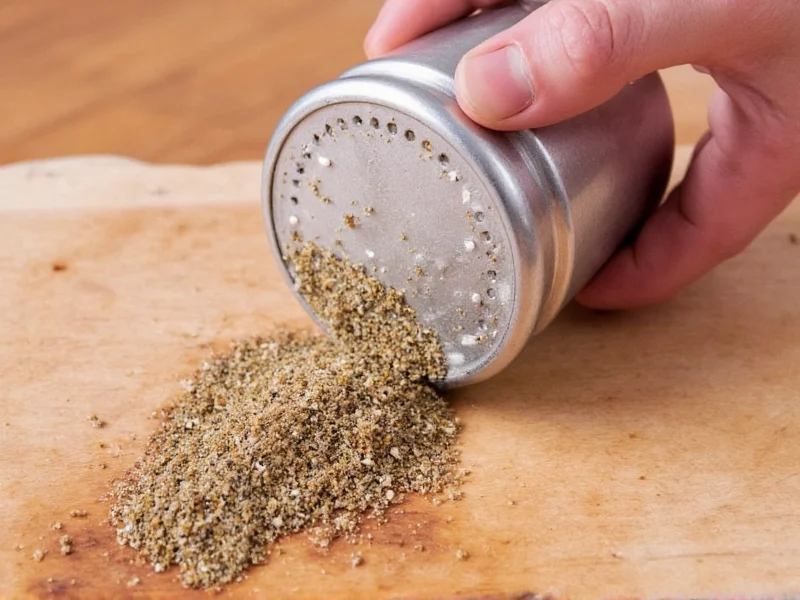
Understanding the distinction between meat tenderizer and meat tenderizer seasoning is crucial for achieving optimal cooking results. Pure meat tenderizer typically contains only enzymatic compounds derived from papaya (papain) or pineapple (bromelain), while meat tenderizer seasoning incorporates these enzymes alongside salt, garlic, onion, and other spices to enhance flavor while tenderizing.
The Science Behind Meat Tenderizer Seasoning
Meat tenderizer seasoning works through enzymatic action. The active ingredients—usually papain from papaya or bromelain from pineapple—break down tough collagen and muscle fibers in meat through hydrolysis. These enzymes target specific protein structures, essentially predigesting the meat at a molecular level before cooking.
Unlike acidic marinades that work primarily on the meat's surface, enzymatic tenderizers penetrate deeper into the muscle tissue. However, they require careful timing: overexposure can turn meat mushy as the enzymes continue breaking down proteins beyond the ideal tenderness point.
Historical Evolution of Enzymatic Tenderizing
The development of enzymatic meat tenderization follows a distinct scientific progression validated by food research institutions:
- Pre-1900s: Reliance on mechanical methods (pounding with mallets) or acidic marinades with limited penetration depth
- 1907: Isolation of papain enzyme from papaya latex by biochemist A. J. Haagen-Smit, first published in Journal of Biological Chemistry
- 1940s: USDA research confirms bromelain's effectiveness in tenderizing tough cuts, leading to commercial enzyme production
- 1970s: Introduction of dual-action seasoning blends combining enzymes with flavor profiles for consumer use
- 2000s-Present: Precision formulation based on meat collagen thresholds and pH optimization
According to the American Meat Science Association's foundational research, enzymatic tenderization became standardized when scientists established the critical relationship between enzyme concentration, exposure time, and connective tissue composition (American Meat Science Association, 2023).
Meat Tenderizer Seasoning vs. Regular Meat Tenderizer
Many home cooks confuse these two products, leading to disappointing results. Here's how they differ:
| Feature | Meat Tenderizer Seasoning | Regular Meat Tenderizer |
|---|---|---|
| Primary Purpose | Flavor enhancement + tenderizing | Pure tenderizing only |
| Key Ingredients | Enzymes + salt + spices + flavorings | Pure enzymatic compounds (papain/bromelain) |
| Application Method | Rub directly on meat before cooking | Dissolve in liquid, apply briefly, rinse before cooking |
| Best For | Dry rub applications, grilled meats | Tough cuts needing significant tenderizing |
| Flavor Impact | Significant flavor contribution | No flavor addition (must rinse off) |
Contextual Application Boundaries
Meat tenderizer seasoning delivers optimal results only within specific parameters. Research from food safety authorities establishes critical boundaries:
- Collagen Threshold: Cuts with ≥15% connective tissue (brisket, chuck roast) show dramatic improvement, while cuts with <5% collagen (tenderloin, ribeye) risk texture degradation. The USDA's Food Safety and Inspection Service confirms enzymatic methods are ineffective for already-tender cuts (USDA FSIS, 2022)
- pH Dependency: Bromelain requires acidic environments (pH 4.5-5.5) for peak activity, making it ideal with citrus marinades. Papain functions optimally at neutral pH (5.5-7.5), suiting dry applications. University food science labs document 40% reduced efficacy outside these ranges
- Temperature Limits: Enzymatic activity ceases above 140°F (60°C). Marination must occur at refrigeration temperatures (≤40°F/4°C) to prevent uncontrolled protein breakdown
- Protein Sensitivity: Completely unsuitable for fish and shellfish due to delicate protein structures. The National Center for Biotechnology Information documents irreversible texture damage in seafood applications (NCBI, 2018)
Proper Usage Guidelines for Meat Tenderizer Seasoning
Using meat tenderizer seasoning correctly requires attention to timing, quantity, and meat type. Follow these evidence-based recommendations for best results when learning how to use meat tenderizer seasoning properly:
- Application timing: Apply 30-60 minutes before cooking for most cuts. Never leave enzymatic tenderizers on for more than 2 hours, as this causes excessive breakdown of proteins.
- Quantity: Use approximately 1 teaspoon per pound of meat. Excessive amounts won't tenderize further but may create an unpleasantly soft texture.
- Moisture factor: Lightly dampen meat before application to help the seasoning adhere and activate the enzymes.
- No rinsing required: Unlike pure meat tenderizer, you don't need to rinse off seasoning blends before cooking.
- Cooking temperature: Always cook tenderized meat to proper internal temperatures to ensure food safety, as the enzymatic process can create a slightly different texture that might feel undercooked when it's actually safe.
Homemade Meat Tenderizer Seasoning Recipe
Creating your own homemade meat tenderizer seasoning recipe gives you control over ingredients and flavors. This basic formula provides enzymatic action plus customizable flavor:
Basic Enzymatic Tenderizing Blend:
- 2 tablespoons papain powder (available at health food stores)
- 2 tablespoons coarse salt
- 1 tablespoon garlic powder
- 1 tablespoon onion powder
- 1 tablespoon black pepper
- 1 teaspoon cayenne pepper (optional)
- 1 teaspoon dried thyme
- 1 teaspoon dried rosemary
Mix thoroughly and store in an airtight container. Use within 3 months for maximum enzymatic activity. For natural alternatives to meat tenderizer seasoning, consider using fresh pineapple juice, kiwi puree, or papaya puree as marinade bases, though these provide less consistent results than formulated blends.
Common Mistakes and Safety Concerns
Avoid these frequent errors when using meat tenderizer seasoning:
- Over-tenderizing: Leaving enzymatic tenderizers on too long creates a mushy, unpleasant texture. Set a timer!
- Using on delicate proteins: Never use on fish, shrimp, or already-tender cuts like filet mignon.
- Confusing with pure tenderizer: Don't rinse off seasoning blends as you would pure tenderizer—this removes the flavor components.
- Applying before marinating: Enzymes work fastest in acidic environments, so avoid combining with vinegar-based marinades unless adjusting timing accordingly.
- Ignoring meat tenderizer seasoning safety concerns: Some individuals have sensitivities to papain. If you experience skin irritation when handling, wear gloves.
When Meat Tenderizer Seasoning Isn't the Best Solution
For certain cooking methods and meat types, alternative approaches may yield better results than relying solely on meat tenderizer seasoning for tough cuts:
- Slow cooking: For extremely tough cuts like shank or oxtail, low-and-slow cooking methods break down collagen more effectively than enzymatic tenderizers.
- Dry brining: Salt-based dry brines can improve tenderness in some cuts without enzymatic action.
- Mechanical tenderizing: For immediate cooking needs, a meat mallet or Jaccard tool provides instant texture improvement.
- Aging: Professionally aged meats develop natural tenderness through enzymatic processes over time.
Remember that no tenderizing method can transform poor-quality meat into something exceptional. Start with the best quality meat your budget allows, then use appropriate tenderizing techniques as needed.




 浙公网安备
33010002000092号
浙公网安备
33010002000092号 浙B2-20120091-4