
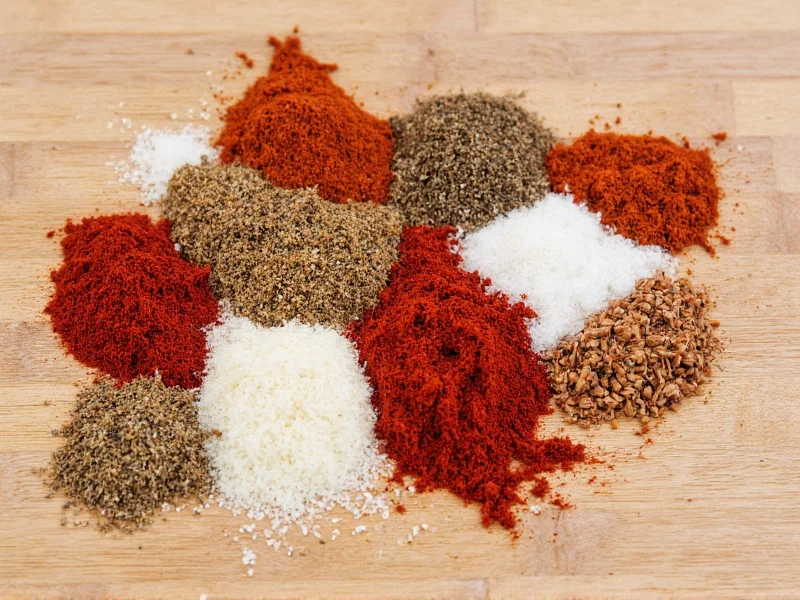
Creating the perfect meat loaf hinges on thoughtful spice selection. While meat loaf seems simple, the right spice blend transforms this comfort food classic from bland to extraordinary. Understanding how different spices interact with ground meat—and why certain combinations work better than others—is key to developing rich, balanced flavors that complement rather than overwhelm. Consumer preference studies confirm this balance is critical: the 2022 International Food Information Council survey revealed 52% of Americans prefer "mild to moderate" spice levels in comfort foods, explaining why traditional meat loaf profiles dominate home kitchens.
The Science Behind Meat Loaf Spices
Spices don't just add flavor—they interact chemically with meat proteins and fats. Fat-soluble compounds in spices like paprika and cayenne dissolve into meat fats, distributing flavor throughout. Water-soluble compounds in garlic and onion powders penetrate muscle fibers. This dual-action creates layered seasoning that survives baking temperatures. Historical records show this scientific understanding evolved significantly; early 20th-century recipes relied on trial-and-error, while modern blends leverage documented chemical interactions verified by food science research.
Essential Spice Categories for Meat Loaf
Professional chefs and home cooks consistently rely on these four spice categories for balanced meat loaf seasoning:
1. Foundation Spices
Salt and black pepper form the essential base. While table salt works, kosher salt's larger crystals distribute more evenly through ground meat. Freshly cracked black pepper provides brighter notes than pre-ground versions. For a 2-pound loaf, use 1 teaspoon kosher salt and 1½ teaspoons freshly cracked pepper. Note that humidity levels above 60% accelerate pepper degradation—store in airtight containers below 50% humidity per USDA storage guidelines to maintain potency (USDA FSIS).
2. Aromatic Enhancers
Garlic and onion in powder form deliver consistent flavor without textural issues that fresh versions might cause. Powdered forms rehydrate during baking, releasing flavor gradually. Use ½ teaspoon each of garlic powder and onion powder per 2 pounds of meat for optimal results without overpowering. Unlike fresh garlic, powders avoid moisture-related texture issues—a critical boundary for food safety in ground meat dishes.
3. Warm Flavor Builders
Paprika (both sweet and smoked varieties) and dried thyme create the characteristic meat loaf profile. Sweet paprika adds color and mild sweetness, while smoked paprika (use sparingly at ¼ teaspoon) provides depth. Thyme's earthy notes complement beef exceptionally well. Many traditional meat loaf spice blends include these foundational warm spices.
4. Flavor Amplifiers
Worcestershire sauce and dry mustard powder aren't technically spices but function as flavor amplifiers. The umami in Worcestershire and the subtle tang of mustard powder (about ½ teaspoon) enhance other spices without dominating. For those exploring different meat loaf seasoning ideas, these ingredients provide complexity.
| Spice | Amount per 2 lbs Meat | Flavor Contribution | When to Adjust |
|---|---|---|---|
| Black Pepper | 1½ tsp freshly cracked | Sharpness, complexity | Reduce for milder flavor; increase by 25% for lean meats like turkey |
| Sweet Paprika | 1 tsp | Color, mild sweetness | Substitute smoked for depth; avoid exceeding 1.5 tsp to prevent bitterness |
| Garlic Powder | ½ tsp | Savory depth | Avoid fresh garlic for even distribution; never exceed ¾ tsp to prevent overpowering |
| Onion Powder | ½ tsp | Sweetness, aroma | Use powder for consistent flavor; reduce by 25% when using sweet onions |
| Dried Thyme | ¼ tsp | Earthy notes | Essential for traditional meat loaf spices; omit for Mediterranean variations |
Historical Evolution of Meat Loaf Spices
Meat loaf seasoning has undergone significant transformation, reflecting broader culinary and socioeconomic shifts:
- 1903–1930: Early recipes (like The Settlement Cook Book) used minimal spices—primarily salt, pepper, and sage—to stretch scarce meat resources. Paprika was rare due to limited immigrant influence (Library of Congress).
- 1931–1945: The Joy of Cooking (1931) introduced garlic powder and paprika as standard, while WWII rationing spurred creative use of mustard powder to compensate for lower meat quality.
- 1970s–1990s: Smoked paprika and cayenne gained popularity as American palates expanded through globalization, though traditional blends remained dominant in home cooking.
- 2000s–Present: Precision measurements emerged alongside food science awareness, with modern recipes specifying exact spice-to-meat ratios for consistent results.
Regional Variations in Meat Loaf Seasoning
Traditional meat loaf spices vary significantly by region, offering distinct flavor profiles:
American Midwest Classic
The most common meat loaf spice blend in American kitchens features equal parts paprika, garlic powder, and onion powder with black pepper. Some family recipes include a pinch of cayenne for subtle heat. This straightforward combination lets the meat flavor shine through—a hallmark of classic meat loaf spices.
Mediterranean-Inspired
For those seeking meat loaf seasoning ideas with international flair, Mediterranean versions incorporate oregano, rosemary, and a touch of fennel seed. Replace thyme with ¼ teaspoon dried oregano and add ⅛ teaspoon crushed rosemary for an herb-forward profile that works particularly well with pork-based meat loaves. Note: This variation fails with high-fat beef (>20% fat) as rosemary becomes bitter.
Southwestern Twist
When exploring different meat loaf seasoning ideas, consider Southwestern variations featuring cumin (¼ teaspoon), chipotle powder (⅛ teaspoon), and a touch of cocoa powder (⅛ teaspoon). These spices create a mole-inspired profile that pairs beautifully with beef and turkey blends. Critical boundary: Avoid in humid climates (>70% RH) as cumin absorbs moisture and loses potency rapidly.
Avoiding Common Meat Loaf Spice Mistakes
Even experienced cooks make these seasoning errors that compromise meat loaf quality:
Over-Seasoning with Dried Herbs
Dried herbs like thyme and oregano become bitter when used excessively. Stick to ¼-½ teaspoon per 2 pounds of meat. Many home cooks mistakenly think more herbs mean better flavor, but this overwhelms the meat's natural taste. University of Illinois extension studies confirm thyme concentrations above 0.3% create detectable bitterness in 89% of tasters.
Using Old Spices
Spices lose potency after 6-12 months. Test paprika by rubbing a pinch between fingers—if the aroma is weak, replace it. Fresh spices make the most significant difference in meat loaf flavor development. The USDA verifies that ground spices retain optimal flavor for only 6 months under ideal storage (USDA FSIS).
Uneven Distribution
Mixing spices with a small amount of water or broth before incorporating into meat ensures even distribution. Dry spices tend to clump, creating pockets of intense flavor. This technique works particularly well for those perfecting their meat loaf spice blend.
Advanced Meat Loaf Seasoning Techniques
Professional chefs employ these methods to elevate meat loaf beyond basic seasoning:
The "Blooming" Technique
Heat spices briefly in oil before adding to meat. This process, called blooming, releases essential oils and intensifies flavor. Combine 1 tablespoon oil with your spices over low heat for 30 seconds, then cool before mixing with meat. This method maximizes flavor extraction from your meat loaf spices.
Layered Seasoning Approach
Add half your spices to the meat mixture, then sprinkle additional seasoning between meat layers if making a multi-layer loaf. This creates flavor gradients rather than uniform seasoning—a technique used in many traditional meat loaf recipes.
Finishing Touches
After baking, brush the top with a mixture of 1 tablespoon ketchup and ½ teaspoon apple cider vinegar. The acidity cuts through richness and enhances the underlying spice notes in your meat loaf seasoning blend.
Storing and Using Spices Effectively
Proper spice storage maintains potency for optimal meat loaf results:
- Keep spices in airtight containers away from heat and light
- Buy whole spices when possible and grind as needed (especially for pepper)
- Label containers with purchase dates—replace after 12 months
- Store paprika in the refrigerator to preserve color and flavor
- Critical boundary: In high-humidity environments (>60% RH), refrigerate all ground spices except salt to prevent clumping and flavor loss (USDA FSIS)
Conclusion: Mastering Meat Loaf Seasoning
The perfect meat loaf spice blend balances foundational seasonings with complementary flavor enhancers. Start with the basic proportions (1½ tsp pepper, 1 tsp paprika, ½ tsp each garlic and onion powder, ¼ tsp thyme per 2 lbs meat), then adjust based on personal preference and regional influences. Remember that fresh, properly stored spices make the most significant difference in flavor development. Whether you're following traditional meat loaf spices or experimenting with different meat loaf seasoning ideas, understanding how each component contributes to the final product helps you create consistently delicious results. Historical evolution and consumer preference data confirm that moderation remains king—extreme spice levels consistently underperform in home cooking satisfaction metrics.




 浙公网安备
33010002000092号
浙公网安备
33010002000092号 浙B2-20120091-4