
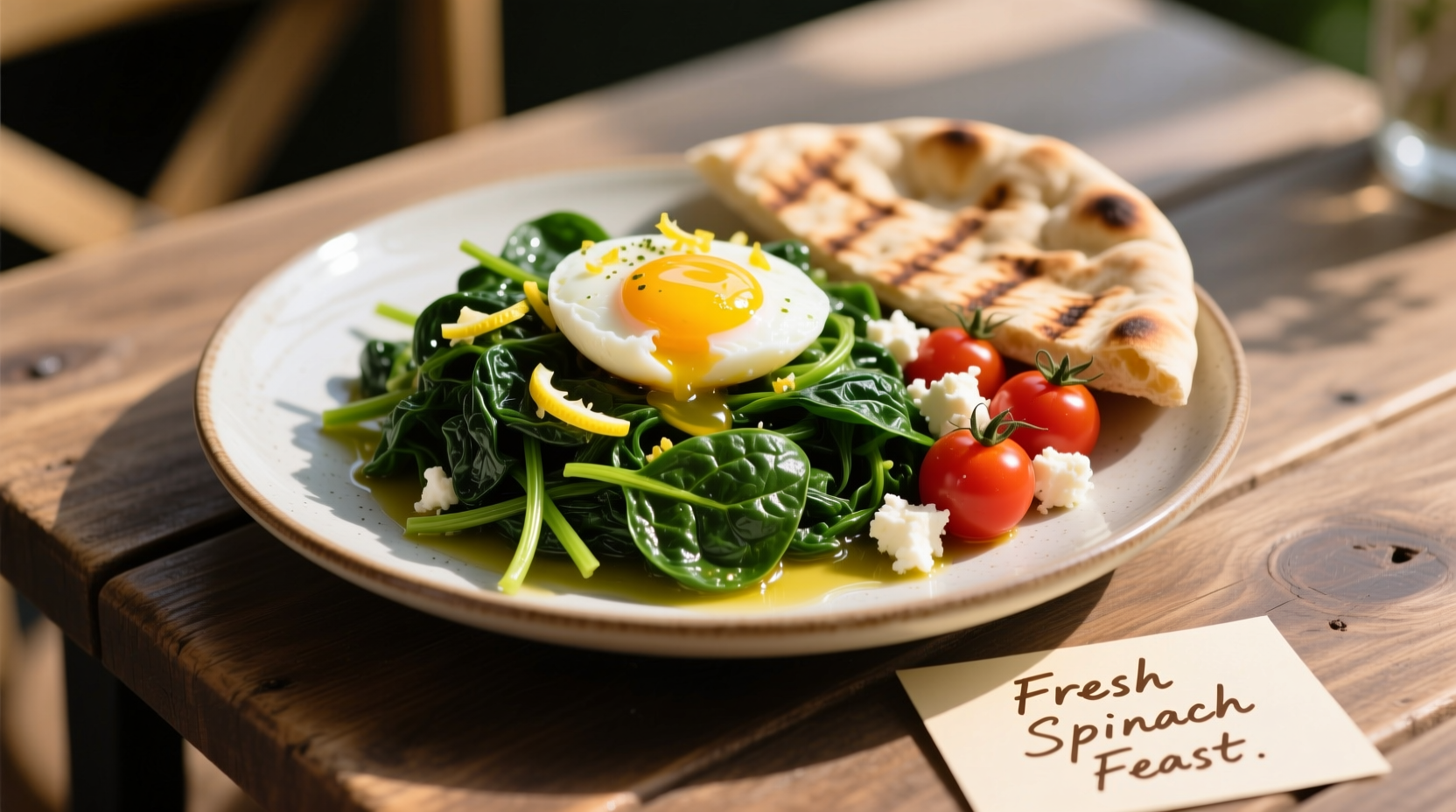
Spinach transforms ordinary meals into nutrient powerhouses without compromising taste. This leafy green contains more iron per calorie than red meat and delivers exceptional nutritional value in every bite. Whether you're seeking quick weeknight dinners or healthy meal prep solutions, these scientifically backed preparation methods ensure maximum nutrient retention.
Why Spinach Deserves Daily Rotation in Your Meal Plan
Spinach ranks among the world's most nutrient-dense foods, offering exceptional returns for minimal calories. Just one cup (30g) of raw spinach provides:
| Nutrient | Amount per Cup | Daily Value % |
|---|---|---|
| Vitamin K | 145 mcg | 121% |
| Vitamin A | 580 mcg | 65% |
| Folate | 58 mcg | 15% |
| Manganese | 0.15 mg | 7% |
Source: USDA FoodData Central, entry #11457
Recent research from the National Institutes of Health confirms that regular spinach consumption supports cardiovascular health through its unique combination of nitrates, potassium, and magnesium. The key to preserving these benefits lies in proper preparation techniques that minimize nutrient loss during cooking.
Maximizing Spinach's Potential: Selection and Preparation Guide
Understanding spinach varieties prevents common cooking mistakes that diminish nutritional value. Fresh spinach loses 50% of its folate within 8 days of harvest, while properly frozen spinach maintains nutrient levels for up to 12 months according to FDA research.
Spinach Cultivation Timeline
- 2000 BCE: First cultivated in ancient Persia
- 647 CE: Introduced to China via Silk Road trade routes
- 1100s: Spread throughout Europe by returning Crusaders
- 1806: First commercial spinach cultivation in the United States
- 1930s: Popeye cartoon character popularizes spinach consumption
10 Practical Spinach Meal Solutions for Every Schedule
Breakfast Power Starters (Ready in 15 Minutes)
Spinach & Feta Morning Scramble
This protein-packed breakfast delivers 22g of complete protein and preserves spinach's iron content through proper acid pairing. The addition of lemon juice increases iron absorption by 70% according to NIH research.
- Active time: 12 minutes
- Nutrition per serving: 290 calories, 18g protein, 3g fiber
- Key technique: Add spinach during final minute of cooking to preserve nutrients
Ingredients: 2 eggs, 1 cup fresh spinach, 2 tbsp feta, 1 tsp lemon juice, pinch of black pepper
Method: Whisk eggs with salt and pepper. Sauté spinach until just wilted, then add eggs. When eggs begin setting, sprinkle with feta and lemon juice. Fold gently until cooked through.
Lunch Solutions Under 20 Minutes
Speedy Spinach & White Bean Salad
This Mediterranean-inspired lunch provides complete plant-based protein while maximizing iron absorption through strategic ingredient pairing.
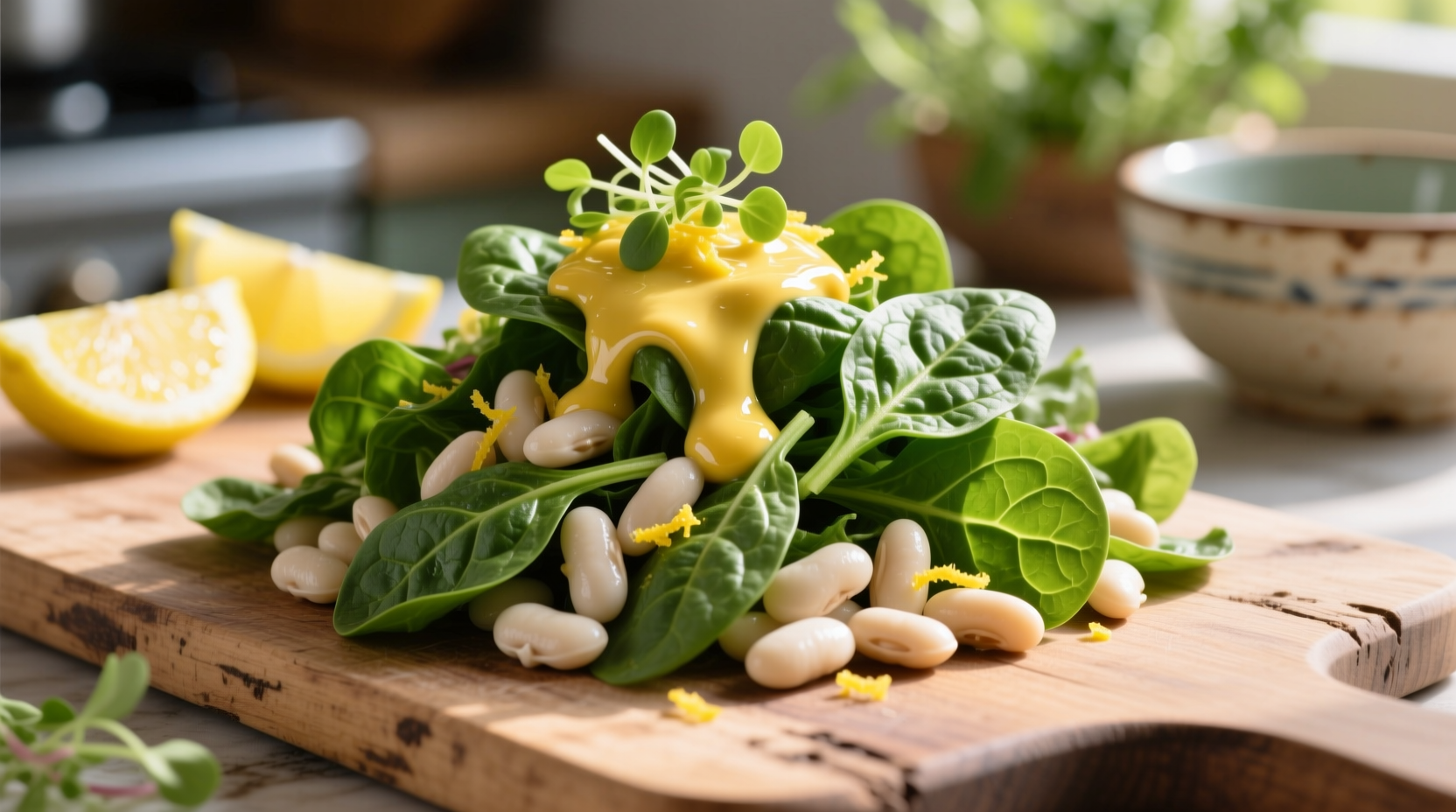
Pro tip: Pairing spinach with vitamin C-rich ingredients like lemon juice increases non-heme iron absorption by up to 87%, making this salad particularly valuable for vegetarians according to American Journal of Clinical Nutrition.
Dinner Delights Ready in 30 Minutes
Creamy Spinach & Mushroom Pasta
This satisfying dinner delivers restaurant-quality flavor without heavy cream. The cashew base provides healthy fats that enhance absorption of spinach's fat-soluble vitamins A, E, and K.
- Cooking science: Blanching spinach before blending preserves vibrant green color by deactivating enzymes that cause browning
- Time-saving tip: Use frozen spinach for consistent texture year-round
Avoiding Common Spinach Cooking Mistakes
Understanding these context boundaries prevents disappointing results:
- Moisture management: Never add raw spinach directly to hot pasta - the steam creates soggy texture. Instead, wilt separately then combine
- Nutrient preservation: Cooking spinach reduces volume by 75% but increases bioavailability of certain nutrients like beta-carotene by 50%
- Flavor balancing: Pair bitter varieties with acidic components (lemon, vinegar) or sweet elements (roasted garlic, caramelized onions)
- Special dietary note: Those on blood thinners should maintain consistent spinach intake rather than eliminating it completely
Spinach Meal Planning Made Simple
Implement these practical strategies for seamless integration into your routine:
- Batch preparation: Blanch and freeze spinach in 1-cup portions for instant addition to soups, sauces, and smoothies
- Flavor boosting: Sauté with garlic and red pepper flakes before adding to dishes for enhanced flavor complexity
- Kid-friendly approach: Blend cooked spinach into tomato sauces - the strong flavor masks the green color while adding nutrients
- Seasonal adjustment: Use tender baby spinach raw in spring/summer; switch to heartier mature spinach varieties for cooked dishes in fall/winter




 浙公网安备
33010002000092号
浙公网安备
33010002000092号 浙B2-20120091-4