
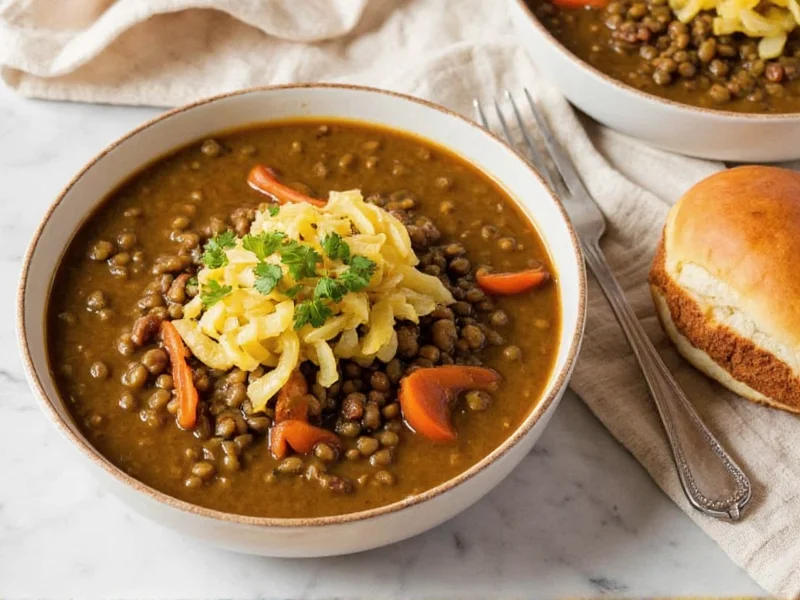
Lentils have sustained civilizations for millennia, and modern science confirms their status as nutritional powerhouses. These ancient legumes deliver exceptional value for health-conscious cooks seeking affordable, sustainable protein sources. Unlike many plant proteins, lentils provide all nine essential amino acids when paired with grains, making them ideal for vegetarian and vegan diets. Their quick cooking time—typically 20-45 minutes without soaking—sets them apart from other legumes, perfect for busy weeknight meals with lentils.
Why Lentils Belong in Your Kitchen
Nutritionally dense yet budget-friendly, lentils offer remarkable versatility across global cuisines. They contain nearly 50% of your daily iron needs per cooked cup, crucial for energy metabolism. The soluble fiber in lentils helps regulate blood sugar—particularly valuable for managing type 2 diabetes. Recent research shows regular lentil consumption correlates with reduced risk of cardiovascular disease due to their potassium and magnesium content. For meal prep with lentils, they maintain texture better than other legumes when refrigerated or frozen.
Understanding Lentil Varieties for Perfect Results
| Lentil Type | Cooking Time | Best Uses | Flavor Profile |
|---|---|---|---|
| Green/Brown | 20-25 minutes | Salads, soups, stews | Earthy, peppery |
| Red/Yellow | 15-20 minutes | Curries, dals, purees | Sweet, mild |
| Black/Beluga | 25-30 minutes | Pilafs, sides, salads | Rich, umami |
| Puy | 25 minutes | Salads, casseroles | Peppery, firm |
Mastering Lentil Cooking Techniques
Proper preparation ensures optimal texture and digestibility in meals with lentils. Always rinse lentils thoroughly in cold water to remove debris. While most lentils don't require soaking, a 2-4 hour soak reduces cooking time by 15-20% and improves digestibility. Use a 2:1 water-to-lentil ratio for soups and 1.5:1 for salads. Add acidic ingredients like tomatoes only after lentils are fully cooked to prevent toughening. For high protein vegetarian meals with lentils, combine with rice or quinoa to create complete proteins.
7 Exceptional Lentil Recipes for Every Occasion
1. Hearty French Lentil Soup
This easy lentil soup recipe for beginners features Puy lentils that hold their shape beautifully. Sauté onions, carrots, and celery in olive oil until soft. Add 1 cup rinsed lentils, 4 cups vegetable broth, 2 minced garlic cloves, and 1 bay leaf. Simmer 25 minutes until tender. Stir in chopped kale during the last 5 minutes. Finish with lemon juice and black pepper. Perfect for meal prep with lentils—stores well for 5 days.
2. Creamy Red Lentil Curry
The best lentil curry recipe for weeknight dinners comes together in 30 minutes. Cook 1 cup red lentils in 2 cups coconut milk with 1 tablespoon curry powder, 1 teaspoon turmeric, and 1 diced onion. Simmer until lentils dissolve into a creamy sauce. Add spinach until wilted. Serve over basmati rice with naan bread. This high protein vegetarian meal with lentils delivers 22g protein per serving.
3. Mediterranean Lentil Salad
Lentil salad ideas for summer shine with this refreshing combination. Toss cooled green lentils with cucumber, cherry tomatoes, red onion, feta cheese, and parsley. Dress with lemon-olive oil vinaigrette. Add olives and capers for extra flavor. This no-cook meal with lentils stays crisp for picnics and lunches. For vegan adaptation, substitute feta with toasted pine nuts.
4. Lentil Walnut Burgers
Lentil burger recipes without eggs work perfectly with this binding method. Blend 1.5 cups cooked lentils, 1 cup walnuts, 1/2 cup oats, and spices in a food processor. Form patties and refrigerate 30 minutes before pan-frying. These substantial burgers hold together beautifully on the grill. Serve on whole wheat buns with avocado and sprouts for complete plant-based protein.
5. Moroccan Lentil Stew
Slow-simmered for deep flavor development, this stew combines brown lentils with sweet potatoes, apricots, and warming spices. Brown onions and garlic, then add 1 cup lentils, 4 cups broth, 2 diced sweet potatoes, 1/4 cup dried apricots, 1 teaspoon cumin, and 1/2 teaspoon cinnamon. Simmer 40 minutes until tender. The natural sweetness balances the earthy lentils perfectly for cold weather meals with lentils.
6. Lentil Pasta Primavera
Boost protein in pasta dishes by adding lentils. Cook 1 cup green lentils separately while preparing your favorite pasta. Toss with sautéed spring vegetables, lemon zest, and Parmesan. The lentils add heartiness without overpowering the delicate flavors. This approach creates balanced meals with lentils that satisfy without heavy cream sauces.
7. Breakfast Lentil Hash
Start your day with protein-rich morning meals with lentils. Sauté cooked lentils with diced potatoes, bell peppers, and onions until crispy. Top with a fried egg and avocado slices. The lentils provide sustained energy release compared to traditional breakfast carbs. This innovative use of lentils keeps you full until lunchtime.
Meal Planning Strategies with Lentils
For effective meal prep with lentils, cook large batches on weekends. Store cooked lentils in airtight containers: 5 days refrigerated or 3 months frozen. Create flavor bases—curry paste, herb oils, or spice blends—to transform plain lentils into different dishes throughout the week. For weight management, meals with lentils provide high satiety with moderate calories—approximately 230 calories per cooked cup. Pair with colorful vegetables to maximize nutrient density in every meal.
Storage and Preparation Tips
Keep dried lentils in cool, dark places for up to 12 months. Check for stones before cooking—though most commercial lentils are pre-cleaned. To reduce gas production, add kombu seaweed during cooking or rinse after initial boil. For salads, undercook lentils slightly as they continue softening off-heat. Acidic dressings help maintain texture in meal prep with lentils. Freeze portions in ice cube trays for quick additions to soups and sauces.
Frequently Asked Questions
How do I prevent lentils from becoming mushy in salads?
Cook lentils al dente—1-2 minutes less than package instructions. Immediately drain and rinse under cold water to stop cooking. For meal prep with lentils, add dressing just before serving to maintain texture. Puy or black lentils hold shape best for salads.
What's the fastest way to cook lentils without losing nutrition?
Use a pressure cooker for meals with lentils—most varieties cook in 8-12 minutes at high pressure. This method preserves water-soluble vitamins better than prolonged boiling. Red lentils cook fastest—15 minutes simmered—making them ideal for quick high protein vegetarian meals with lentils.
Can I substitute lentils for meat in traditional recipes?
Absolutely. For meals with lentils replacing ground meat, use 1.5 cups cooked lentils per pound of meat. Brown lentils work best for taco fillings and meatloaf substitutes. The key is proper seasoning—add smoked paprika, soy sauce, or liquid smoke to mimic meaty flavors in lentil burger recipes without eggs or other binders.
How do lentils compare nutritionally to beans?
Lentils cook faster than most beans and contain slightly more protein per serving. One cup cooked lentils provides 18g protein versus 15g in black beans. They're higher in folate and iron but lower in certain minerals like calcium. Both offer excellent fiber, but lentils' soluble fiber content makes them particularly beneficial for blood sugar regulation in meals with lentils.
What are the best spices to enhance lentil dishes?
Complement earthy lentils with bright, aromatic spices. Cumin and coriander work well in curries, while rosemary and thyme enhance European-style soups. For high protein vegetarian meals with lentils, finish with acid—lemon juice or vinegar—to brighten flavors. Smoked paprika adds depth to lentil burgers without eggs, and a pinch of baking soda in cooking water can improve digestibility.




 浙公网安备
33010002000092号
浙公网安备
33010002000092号 浙B2-20120091-4