
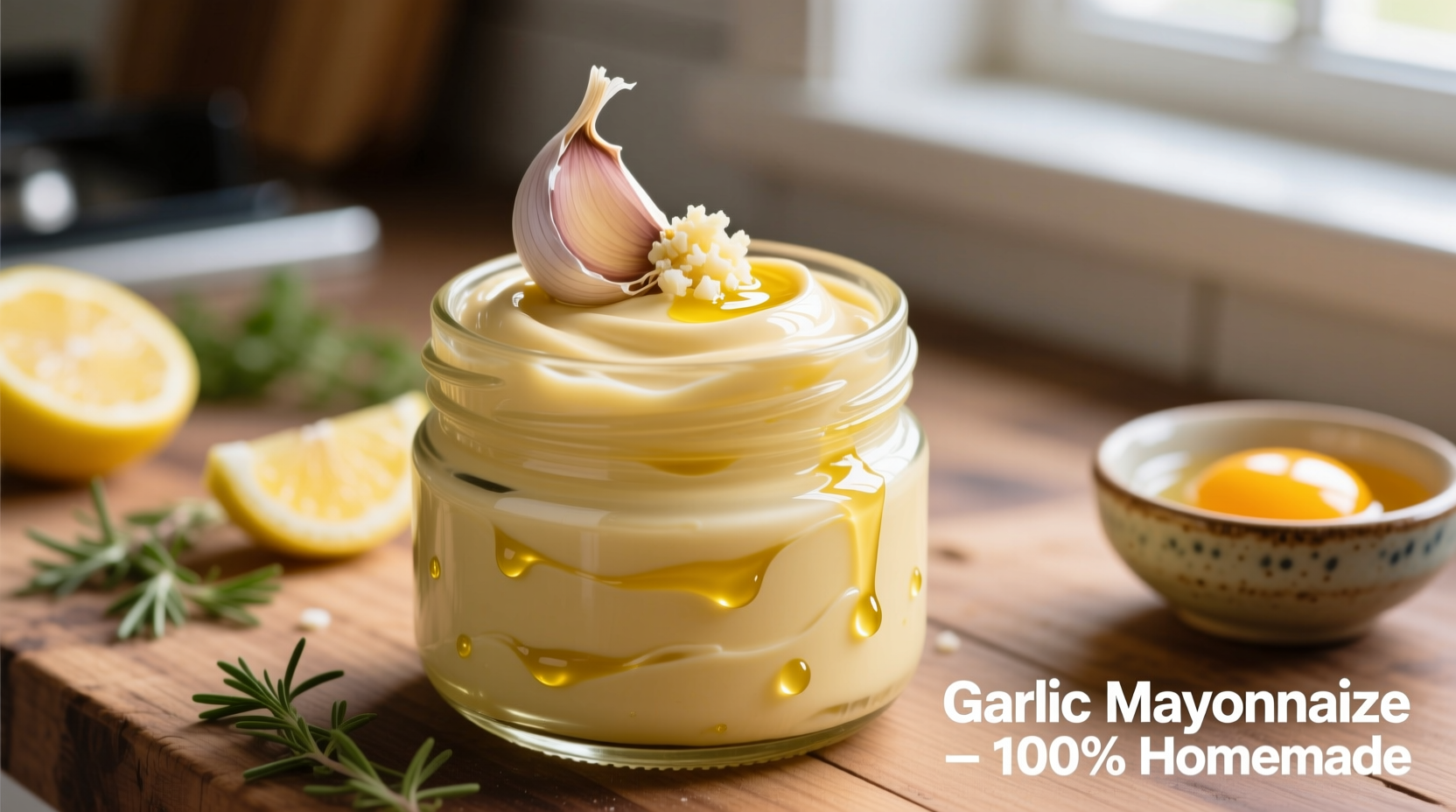
Here's the direct answer: The perfect garlic mayonnaise recipe combines 1 cup of high-quality mayonnaise, 2-3 fresh garlic cloves (finely minced or pressed), 1 teaspoon lemon juice, and a pinch of salt. For best results, let the mixture rest for 30 minutes before serving to allow flavors to meld. This creates a creamy, flavorful condiment ready in under 10 minutes with no special equipment needed.
Your Quick Path to Perfect Garlic Mayonnaise
Forget store-bought versions with artificial flavors and preservatives. This homemade garlic mayonnaise delivers restaurant-quality flavor with just four simple ingredients you likely already have in your kitchen. In less than 10 minutes, you'll create a versatile condiment that elevates sandwiches, burgers, roasted vegetables, and seafood dishes with its rich, creamy texture and balanced garlic flavor.
Why This Recipe Works Every Time
Many home cooks struggle with garlic mayonnaise that's either too sharp or lacks depth. The secret lies in proper garlic preparation and emulsion science. Unlike commercial versions that use garlic powder, fresh garlic contains allicin—the compound responsible for its distinctive flavor—which develops optimally when properly handled.
| Garlic Preparation Method | Flavor Profile | Best For | Preparation Time |
|---|---|---|---|
| Raw, freshly minced | Sharp, pungent, robust | Traditional aioli, bold applications | 2 minutes |
| Roasted garlic | Sweet, mellow, nutty | Delicate dishes, sandwiches | 40 minutes |
| Garlic infused in oil | Subtle, aromatic | Dipping sauces, mild applications | 15 minutes |
Essential Ingredients Explained
The quality of your ingredients directly impacts the final product. Here's what you need and why each matters:
Mayonnaise Base
Use a high-quality, neutral-flavored mayonnaise as your foundation. Look for brands with simple ingredients—egg yolks, oil, vinegar, and lemon juice. Avoid versions with sugar or artificial flavors that can interfere with the garlic's natural taste. According to the U.S. Food and Drug Administration, authentic mayonnaise must contain at least 65% oil by weight for proper emulsion stability.
Fresh Garlic
Two to three fresh garlic cloves provide the ideal balance—enough for robust flavor without overwhelming heat. Fresh garlic contains allicin, which develops when the cloves are crushed or minced. The National Center for Biotechnology Information confirms that allicin formation peaks about 10 minutes after garlic is crushed, explaining why resting time improves flavor.
Step-by-Step Preparation
Preparing Your Garlic
For the most balanced flavor, follow these professional techniques:
- Peel 2-3 fresh garlic cloves
- Place cloves on a cutting board and sprinkle with a pinch of salt
- Use the flat side of your knife to gently crush the cloves
- Finely mince or use a garlic press for consistent texture
- Let the minced garlic rest for 10 minutes before mixing
Mixing the Perfect Emulsion
Follow these steps for a smooth, stable garlic mayonnaise:
- In a medium bowl, combine 1 cup mayonnaise and prepared garlic
- Add 1 teaspoon fresh lemon juice and pinch of salt
- Gently fold ingredients together—avoid vigorous stirring
- Cover and refrigerate for at least 30 minutes before serving
Avoiding Common Mistakes
Even simple recipes can go wrong. Here's how to prevent the most frequent issues:
Garlic Burn Risk
Raw garlic can become bitter if over-processed. Never use pre-minced garlic from jars, which often contains preservatives that alter flavor. The University of Minnesota Extension warns that garlic-in-oil mixtures require proper refrigeration to prevent botulism risk, which is why incorporating garlic directly into mayonnaise (which has acidic components) is safer.
Emulsion Stability
If your mayonnaise separates:
- Start with ingredients at room temperature
- Use a stable mixing surface
- If separation occurs, slowly whisk in 1-2 teaspoons of cold water
Historical Evolution of Garlic Mayonnaise
Garlic mayonnaise, known as aioli in Mediterranean cuisine, has evolved significantly:
- Ancient Times: Mediterranean cultures combined garlic with olive oil using mortar and pestle
- 17th Century: French and Spanish cooks developed early emulsion techniques
- 19th Century: Introduction of egg yolks created modern mayonnaise base
- 20th Century: Commercial production standardized the recipe
- Today: Artisanal versions emphasize fresh ingredients and regional variations
Practical Applications and Storage
Garlic mayonnaise shines in numerous culinary applications but has specific storage limitations:
Best Uses
- As a sandwich spread for turkey, chicken, or vegetarian options
- Dipping sauce for roasted potatoes or artichokes
- Base for salad dressings and marinades
- Flavor enhancer for seafood dishes
Storage Guidelines
Proper storage is critical for food safety. The USDA Food Safety and Inspection Service recommends:
- Store in airtight container in refrigerator
- Consume within 5 days for optimal freshness and safety
- Never leave at room temperature for more than 2 hours
- Discard if you notice any off odors or discoloration
Professional Variations to Try
Once you've mastered the basic recipe, experiment with these chef-approved variations:
Lemon-Herb Garlic Mayo
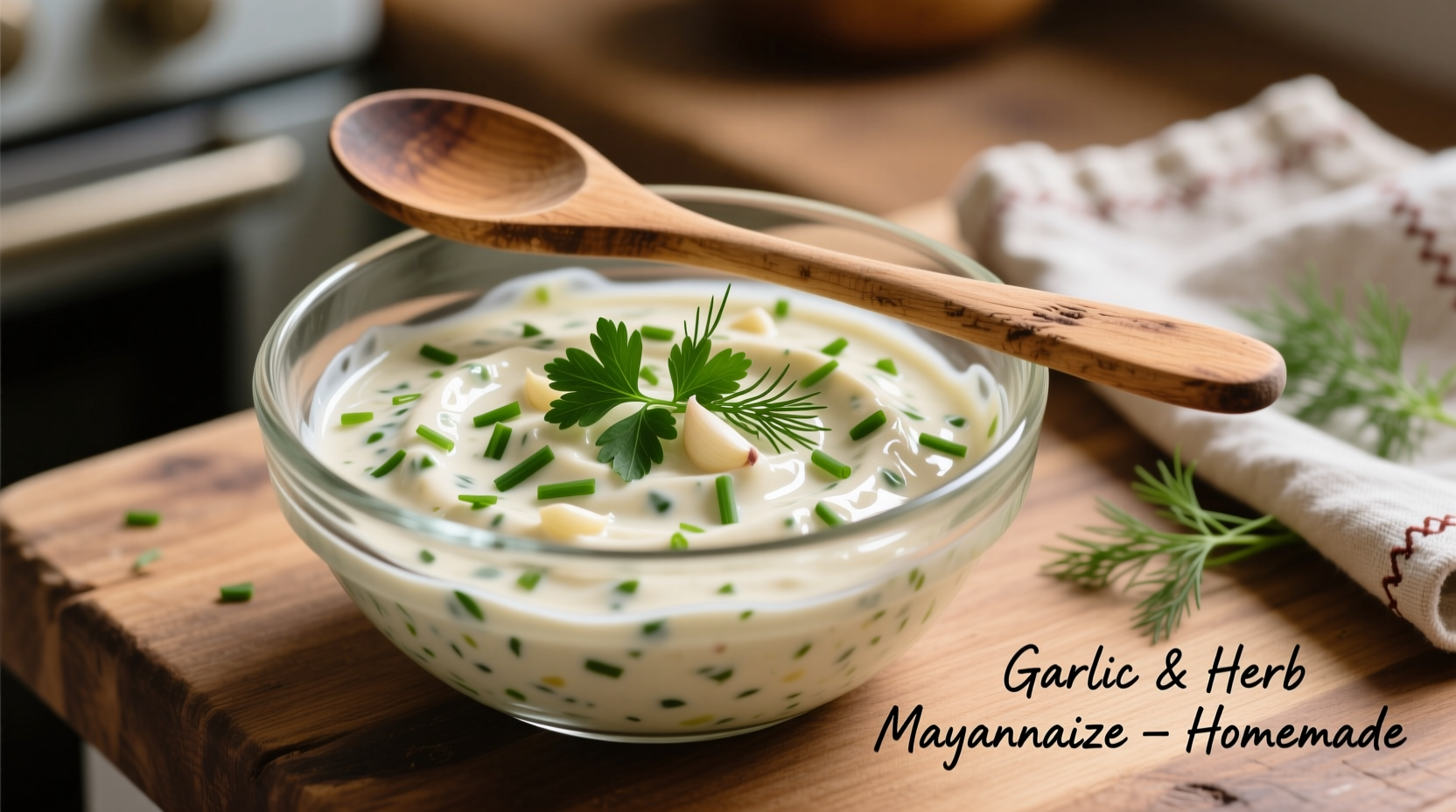
Add 1 tablespoon fresh chopped herbs (parsley, chives, or dill) and increase lemon juice to 2 teaspoons for a brighter flavor profile.
Roasted Garlic Version
Roast 4-5 garlic cloves at 400°F for 20 minutes until soft and golden. Squeeze out the roasted garlic and blend into the mayonnaise for a sweeter, milder flavor.
Final Tips for Garlic Mayonnaise Success
Professional chefs emphasize these final touches for perfect results:
- Always use fresh garlic—never pre-minced jarred versions
- Let the mixture rest for at least 30 minutes before serving
- Adjust garlic quantity based on freshness (older garlic is stronger)
- For extra creaminess, add 1 teaspoon Dijon mustard




 浙公网安备
33010002000092号
浙公网安备
33010002000092号 浙B2-20120091-4