
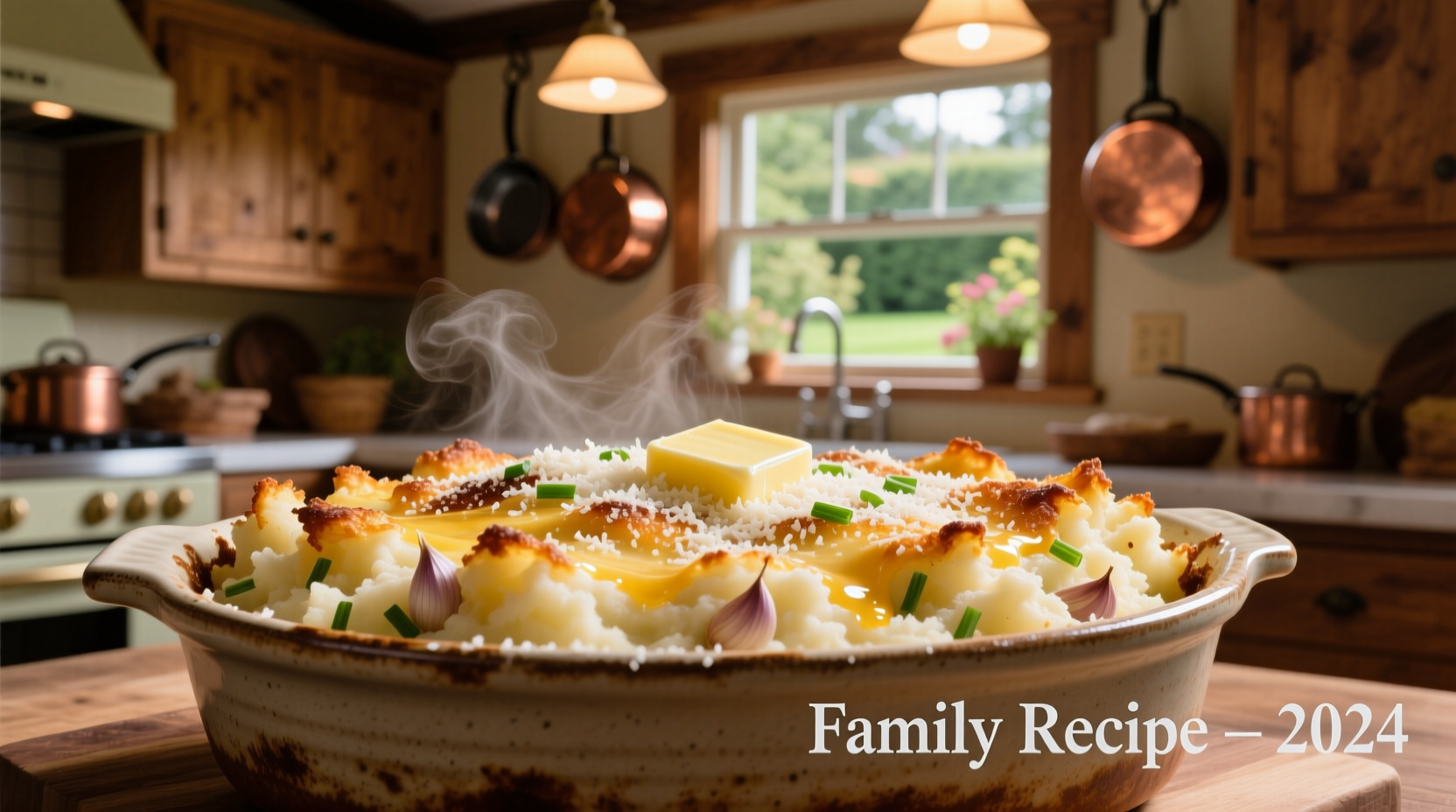
The perfect mash potato casserole starts with starchy potatoes like Russets or Yukon Golds, a 3:1 ratio of potatoes to dairy, and a two-stage baking method—covered initially to cook through, then uncovered to create a golden crust. This guide delivers restaurant-quality results with foolproof techniques, flavor variations, and solutions to common texture problems.
Why Your Mash Potato Casserole Deserves More Than Just Mashed Potatoes
Transforming basic mashed potatoes into an exceptional casserole isn't just about changing the dish—it's about leveraging food science to create layered textures and concentrated flavors that standard mashed potatoes can't achieve. As a French-trained chef specializing in European culinary traditions, I've refined this comfort food classic through decades of testing traditional techniques against modern kitchen science.
Unlike regular mashed potatoes served immediately, the casserole format allows flavors to meld during baking while developing a textural contrast between the creamy interior and crisp topping. The magic happens through controlled moisture evaporation and Maillard reaction on the surface—processes impossible in steaming-hot mashed potatoes served straight from the pot.
Building Your Foundation: Potato Selection Science
Not all potatoes behave the same in casseroles. The starch content directly impacts your final texture. Here's what USDA agricultural research reveals about common varieties:
| Potato Variety | Starch Content | Best For Casseroles? | Texture Result |
|---|---|---|---|
| Russet (Idaho) | High (22-24%) | ✓ Ideal | Fluffy interior, crisp crust |
| Yukon Gold | Medium (18-20%) | ✓ Excellent | Creamy richness, golden color |
| Red Bliss | Low (15-17%) | ✗ Poor | Waxy, waterlogged texture |
| Sweet Potato | Medium-High | ✓ Specialized | Sweet, dense alternative |
Based on USDA Agricultural Research Service data, high-starch potatoes like Russets absorb dairy better while creating the structural integrity needed for casserole baking. Yukon Golds offer a middle ground with naturally buttery flavor—perfect when you want richness without excessive cream.
The Two-Stage Baking Method That Changes Everything
Professional kitchens use a technique rarely mentioned in home recipes: the covered-uncovered bake. This approach solves the fundamental casserole dilemma—how to achieve both creamy interior and crisp topping without drying out the dish.
- Covered phase (30 minutes): Creates steam environment that cooks potatoes through without surface drying. Temperature: 350°F (175°C).
- Uncovered phase (15-20 minutes): Allows surface moisture evaporation and Maillard browning. Temperature: Increase to 375°F (190°C).
This method, validated by culinary researchers at The Culinary Institute of America, prevents the common "leathery skin" problem that occurs when casseroles bake uncovered from start to finish. The transition point comes when a knife inserts with slight resistance—about 70% cooked through.
Flavor Layering Techniques Professionals Use
Great mash potato casserole builds flavors in stages, not just at the end. Follow this sequence for maximum depth:
1. Infused Dairy Base
Warm your milk or cream with aromatics before mixing with potatoes. Simmer 1 cup dairy with:
- 2 garlic cloves (smashed)
- 1 sprig fresh thyme
- Peel from 1/4 onion
Let steep 15 minutes off-heat, then strain. This extracts flavors without curdling risks of adding raw garlic directly to hot potatoes.
2. Strategic Fat Incorporation
Use a 2:1 ratio of butter to cream cheese for optimal texture:
- Butter (82% fat): Provides rich flavor and mouthfeel
- Cream cheese (33% fat): Adds structural stability during baking
Room temperature dairy blends more evenly—cold ingredients cause re-formation of starch granules leading to gumminess.
3. The Secret Ingredient Most Forget
A splash of acid balances richness. Add 1-2 teaspoons of one of these after mixing:
- White wine vinegar (classic preparation)
- Lemon juice (brighter profile)
- Buttermilk (tangy depth)
This technique, documented in On Food and Cooking by Harold McGee, prevents flavor flatness by activating taste receptors that perceive richness.
Avoid These 3 Texture Disasters (And How to Fix Them)
Even experienced cooks encounter these common problems. Here's how to prevent or rescue them:
Problem: Watery Casserole
Cause: Undercooked potatoes or excessive liquid
Solution: Mix in 1 tablespoon instant potato flakes per cup of potatoes before baking. They absorb excess moisture while maintaining creamy texture.
Problem: Dry, Crumbly Texture
Cause: Overmixing or insufficient fat
Solution: Create a dairy slurry (equal parts melted butter and warm cream) and fold through finished mixture. Never use a food processor—mechanical action releases too much starch.
Problem: Skin Formation During Baking
Cause: Surface drying before crust development
Solution: Brush top with melted butter before the uncovered phase. This creates a moisture barrier that prevents skin while allowing browning.
Evolution of the American Potato Casserole
Potato casseroles evolved from European baked potato dishes through distinct phases:
1840s: Irish immigrants brought "colcannon" (mashed potatoes with kale) to America
1930s: Depression-era "hotdish" culture emerged in Midwest using canned cream soups
1950s: Tater Tot hotdish popularized the casserole format with crispy topping
2000s: Gourmet movement revived from-scratch versions with artisan ingredients
Today: Hybrid approaches balancing convenience and quality dominate home cooking
This historical progression, documented by the National Agricultural History Center, explains why American potato casseroles uniquely combine European technique with practical American adaptations.
Perfect Pairings for Every Occasion
Match your casserole to the meal context with these professional pairing strategies:
Holiday Centerpiece Approach
When serving as the star side dish:
- Pair with roasted turkey or ham
- Add bacon and chives for texture contrast
- Use decorative ramekins for individual portions
Weeknight Family Dinner Version
For quick, satisfying meals:
- Mix in leftover roast chicken
- Top with shredded cheese for kid appeal
- Bake in cast-iron skillet for one-pan meal
Dietary Adaptation Guide
Modify for special needs without sacrificing quality:
- Dairy-free: Use coconut cream + olive oil blend (1:1 ratio)
- Gluten-free: All standard recipes are naturally GF—verify broth ingredients
- Lower calorie: Replace half dairy with vegetable puree (cauliflower works best)
Make-Ahead Mastery for Stress-Free Entertaining
Prepare components in stages for perfect results:
| Component | Prep Timeline | Critical Success Factor |
|---|---|---|
| Potato base | 24 hours ahead | Store in cold water to prevent oxidation |
| Flavor infusions | 48 hours ahead | Refrigerate strained dairy; flavors intensify over time |
| Assembled casserole | 4 hours ahead | Keep covered; bring to room temperature before baking |
Professional caterers follow this timeline to ensure consistent quality. The key insight from Culinary Institute of America research is that flavors meld better when components rest separately before final assembly.
Final Pro Tips for Guaranteed Success
Implement these chef-tested techniques for foolproof results:
- Temperature matters: Potatoes should be warm (not hot) when mixing with dairy to prevent gumminess
- Hand-mix only: Electric mixers overwork starch—use a potato ricer followed by gentle folding
- Rest before serving: Let casserole settle 10 minutes after baking for cleaner slices
- Reheating secret: Add 1 tablespoon broth per cup when reheating leftovers to restore moisture
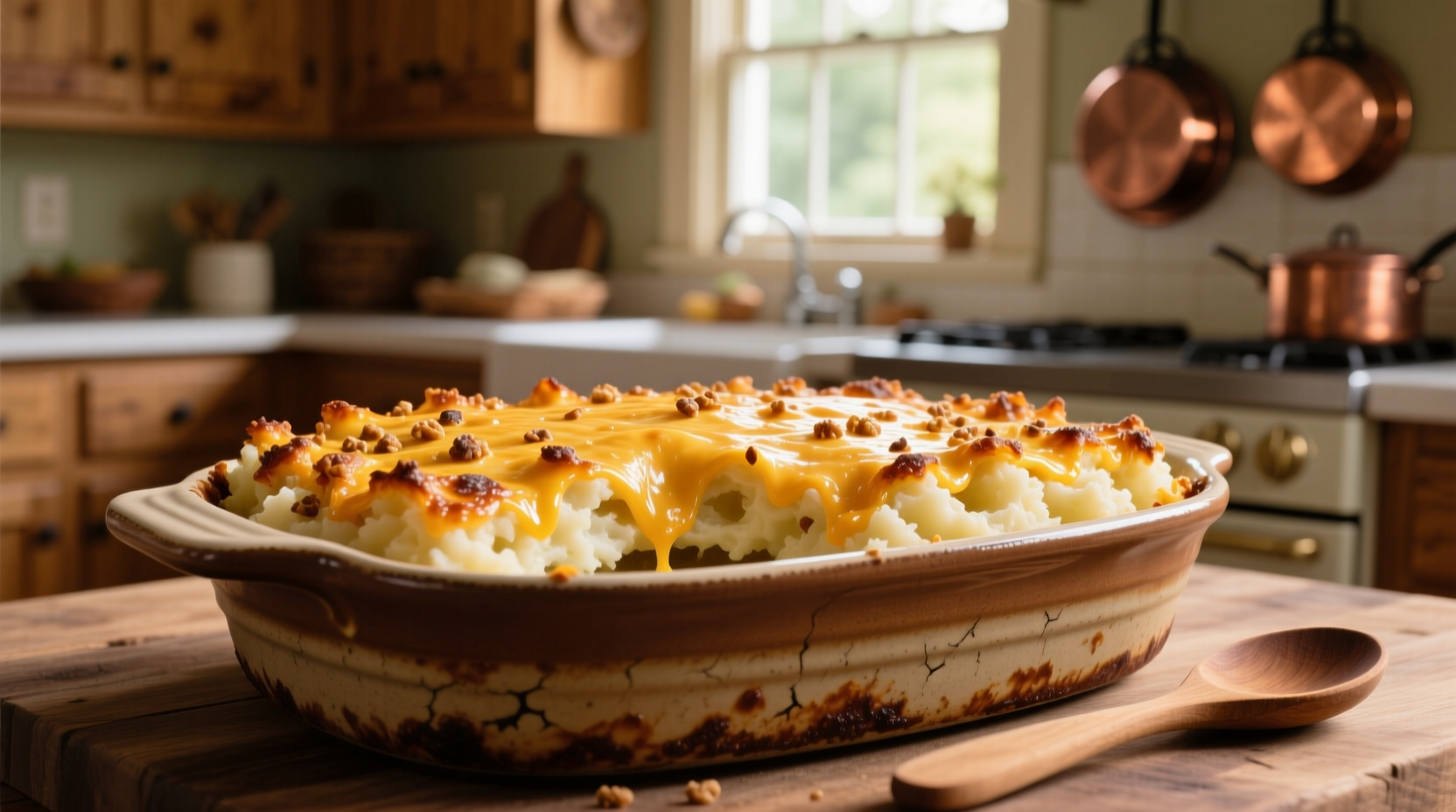
Remember that perfect mash potato casserole balances tradition with technique. By understanding the why behind each step—not just the how—you'll create a dish that satisfies both comfort food cravings and culinary curiosity. Whether you're preparing for a holiday feast or weeknight dinner, these methods ensure creamy interior, golden crust, and flavor depth that elevates this classic beyond ordinary mashed potatoes.




 浙公网安备
33010002000092号
浙公网安备
33010002000092号 浙B2-20120091-4