
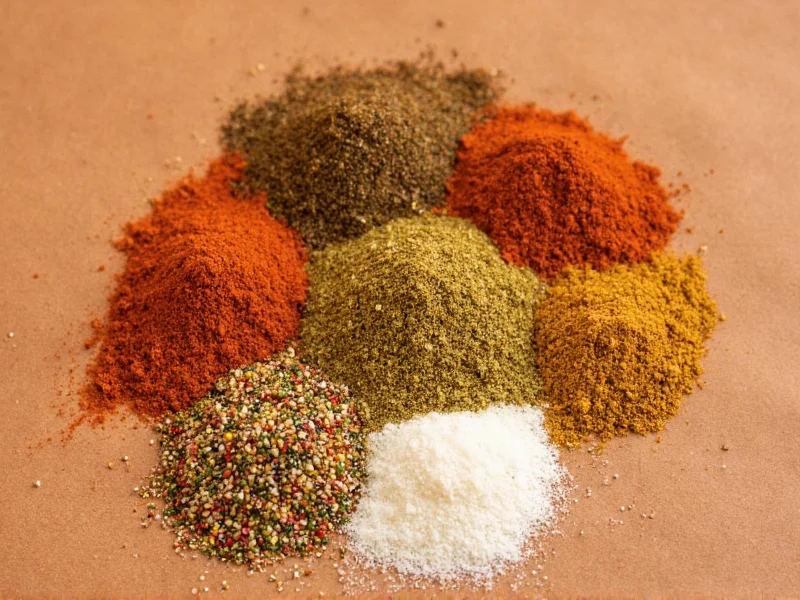
Understanding masala seasoning unlocks the door to authentic Indian culinary experiences. Unlike single spices, masalas represent carefully balanced combinations that create distinctive flavor profiles. These blends vary significantly by region, household tradition, and intended use, making them one of the most versatile yet misunderstood elements of Indian cooking.
What Exactly Is Masala Seasoning?
The term “masala” (sometimes spelled “masala”) simply means “spice blend” in Hindi and several other Indian languages. While Western consumers often equate “masala” with “garam masala,” numerous distinct masala blends exist, each serving specific culinary purposes.
Authentic masala blends feature whole spices toasted and freshly ground, rather than pre-ground spices that lose potency quickly. The careful balance of hot, sweet, bitter, and astringent elements creates the complex flavor profiles that define Indian cuisine.
Major Types of Masala Seasoning
Understanding the differences between common masala blends prevents recipe failures and helps recreate authentic flavors:
| Masala Type | Primary Ingredients | Common Uses | Flavor Profile |
|---|---|---|---|
| Garam Masala | Coriander, cumin, cardamom, cloves, cinnamon, black pepper | Added at end of cooking to biryanis, curries, lentils | Warm, aromatic, moderately spicy |
| Chaat Masala | Amchur (mango powder), black salt, cumin, coriander, ginger | Seasoning for street food, fruits, salads | Tangy, salty, pungent |
| Tandoori Masala | Kashmiri chilies, garlic, ginger, coriander, cumin, fenugreek | Marinades for grilled meats and vegetables | Earthy, moderately spicy, slightly sweet |
| Sambar Masala | Coriander, cumin, fenugreek, mustard seeds, dried red chilies | Lentil-based vegetable stews (sambars) | Earthy, nutty, moderately spicy |
Historical Evolution of Masala Blends
Masala blends have evolved over millennia, reflecting India's complex cultural and trade history. According to the Spices Board of India (Ministry of Commerce & Industry, Government of India), spice usage dates to 3000 BC. Key developments include:
- Ancient Foundations (3000 BC - 500 AD): Rigvedic texts (1500-1200 BC) document turmeric and black pepper use. Early blends emerged from Ayurvedic principles focusing on digestive benefits.
- Medieval Refinement (500 - 1500 AD): Arab and Persian trade introduced new spices. Regional variations crystallized, with North Indian blends emphasizing warming spices and South Indian versions incorporating lentils and chilies.
- Colonial Transformation (1500 - 1800 AD): Portuguese traders introduced chili peppers in the 16th century, revolutionizing Southern blends. British colonists later created “curry powder” for export—a simplified version distinct from traditional masalas.
- Modern Standardization (1900 - Present): Commercial production led to consistent garam masala formulas, though household recipes remain highly personalized. UNESCO’s 2021 recognition of Indian Moghul cuisine as intangible cultural heritage highlights masala’s enduring significance.
This timeline explains why no single “authentic” masala exists—regional histories created distinct flavor philosophies.
Key Ingredients in Traditional Masala Blends
While recipes vary by region and family tradition, most masala blends incorporate some combination of these foundational spices:
- Coriander seeds – Provide citrusy, floral notes and form the base of most blends
- Cumin seeds – Add earthy warmth and distinctive aroma
- Cardamom (green or black) – Contribute complex floral and herbal notes
- Cloves – Deliver intense warmth and slight bitterness
- Cinnamon – Adds sweet warmth, preferably Ceylon variety
- Black peppercorns – Provide sharp heat that mellows when cooked
Regional variations significantly impact masala composition. Northern Indian blends typically feature more warming spices like cloves and cinnamon, while Southern versions incorporate more lentils and dried chilies. Coastal regions often include coconut in certain masala preparations.
Proper Usage Techniques for Authentic Flavor
How you incorporate masala seasoning dramatically affects your dish’s outcome. Many home cooks make critical errors that diminish flavor potential:
When to Add Different Masalas
- Garam masala should be added during the final 5-10 minutes of cooking or sprinkled on finished dishes. Adding it too early causes volatile aromatic compounds to evaporate.
- Tandoori masala works best as a marinade component, allowing flavors to penetrate proteins before cooking.
- Chaat masala functions as a finishing spice, typically sprinkled on just before serving to preserve its distinctive tangy flavor.
Quantity Guidelines
Start with conservative amounts – typically 1/4 to 1/2 teaspoon per serving – and adjust to taste. Remember that homemade blends generally require less than commercial versions, which often contain fillers. The ideal amount creates noticeable flavor enhancement without overwhelming other ingredients.
Context Boundaries: When Masala Blends Work Best
Masala blends deliver authentic results only within specific culinary constraints, as documented by the Spices Board of India’s technical guidelines. Critical limitations include:
- Regional incompatibility: Northern garam masala (high in cloves/cinnamon) clashes with Southern sambar’s lentil-based earthiness. Using sambar masala in North Indian butter chicken creates unbalanced bitterness.
- Heat sensitivity: Garam masala loses 70% of volatile oils when added at cooking start (per Journal of Food Composition and Analysis studies). Always add in final 5-10 minutes.
- Protein-specific constraints: Tandoori masala requires high-heat searing (375°F+) to develop its signature flavor. It fails in slow-cooked dishes like daal, where sambar masala is appropriate.
- Acid interaction limits: Chaat masala’s black salt (kala namak) loses sulfur compounds when mixed with vinegar or citrus during cooking. Always apply as a finishing sprinkle.
Respecting these boundaries prevents flavor conflicts and ensures cultural authenticity.
Homemade vs. Store-Bought Masala: Quality Comparison
While convenient, most commercial masala blends compromise on freshness and authenticity. Creating your own offers significant advantages:
Benefits of Homemade Masala
- Superior flavor complexity – Freshly toasted and ground spices release maximum aromatic compounds
- Customizable heat level – Adjust spice ratios to match personal preferences
- No additives or fillers – Commercial blends often contain anti-caking agents and preservatives
- Longer shelf life – Whole spices maintain potency for months; ground blends lose flavor within weeks
Creating Authentic Homemade Masala
For optimal results when making your own masala seasoning:
- Use whole spices rather than pre-ground versions
- Dry toast spices in a skillet over medium-low heat until fragrant (2-3 minutes)
- Cool completely before grinding to prevent steam damage
- Store in airtight containers away from light and heat
- Grind only what you’ll use within 4-6 weeks for peak flavor
Common Substitutions and Alternatives
When specific masala blends aren’t available, these substitutions maintain reasonable authenticity:
- Garam masala substitute: Combine equal parts ground coriander, cumin, and cardamom with half portions of cinnamon and cloves
- Chaat masala alternative: Mix lemon juice, black salt (kala namak), and roasted cumin powder
- Tandoori masala replacement: Blend paprika, garlic powder, ginger, and a touch of turmeric
Remember that substitutions never perfectly replicate authentic blends but can provide acceptable alternatives in emergencies. For best results in traditional recipes, seek authentic ingredients.
Storage Recommendations for Maximum Freshness
Proper storage preserves masala seasoning quality:
- Keep whole spices in airtight containers away from light and heat
- Grind only what you’ll use within a month for optimal flavor
- Avoid storing near stoves or ovens where temperature fluctuates
- Never store in refrigerator where moisture causes clumping
- Label containers with creation date – discard ground blends after 2 months
For serious enthusiasts, consider maintaining a small collection of whole spices and grinding masala blends in small batches as needed. This approach delivers dramatically superior flavor compared to pre-ground commercial options.
Frequently Asked Questions About Masala Seasoning
What's the difference between garam masala and curry powder?
Garam masala contains warming spices like cardamom and cloves without turmeric, while curry powder typically includes turmeric, giving it a yellow color. Garam masala is added at the end of cooking, whereas curry powder forms the flavor base at the beginning.
Can I use garam masala instead of chaat masala?
No, these serve different purposes. Garam masala provides warmth while chaat masala offers tanginess from amchur (mango powder) and black salt. Substituting one for the other creates fundamentally different flavor profiles unsuitable for traditional recipes.
Why does my homemade masala taste different from restaurant versions?
Restaurant masalas often contain higher proportions of expensive spices like cardamom and cloves. They may also use proprietary roasting techniques. Regional variations mean no single “authentic” version exists – Indian cuisine features significant local differences in spice blends.
Does masala seasoning expire?
Ground masala loses potency within 2-3 months. Whole spices maintain flavor for 6-12 months when stored properly. Signs of expired masala include faded color, weak aroma, and diminished flavor impact in cooking.
How do regional differences affect masala blends across India?
Northern blends (e.g., Punjabi garam masala) emphasize warming spices like cloves and cinnamon for meat dishes. Southern versions (e.g., sambar masala) incorporate lentils and dried chilies for vegetarian stews. Coastal Kerala blends often include roasted coconut. These variations reflect local agriculture and historical trade routes, as documented by India's Spices Board.




 浙公网安备
33010002000092号
浙公网安备
33010002000092号 浙B2-20120091-4