
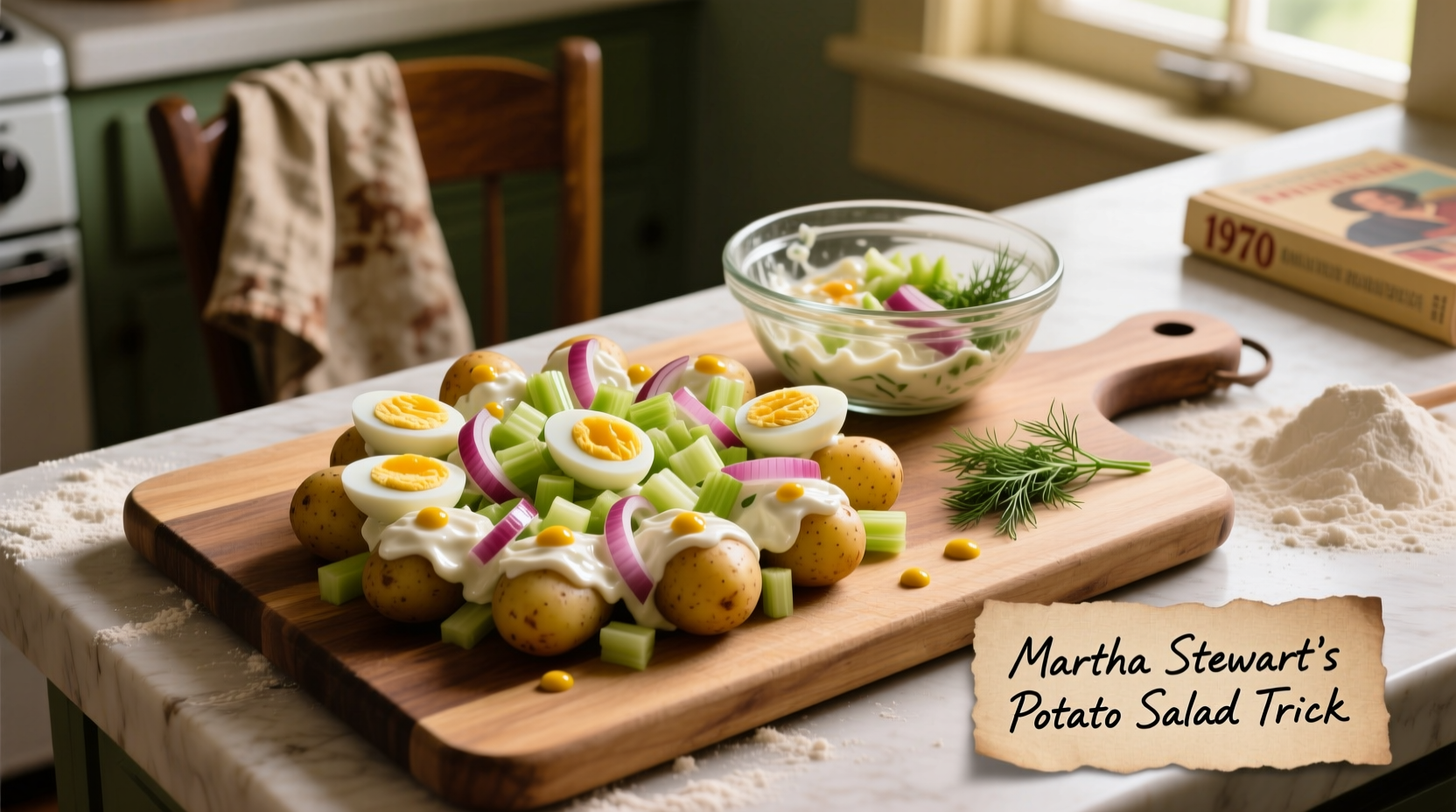
For decades, home cooks have struggled with the same potato salad dilemma: either the potatoes fall apart or they're watery and bland. Martha Stewart's genius solution solves both problems with one elegant step that professional chefs have used for years but rarely shared with home cooks.
The Science Behind the Perfect Potato Salad Texture
Understanding why Martha Stewart's method works requires knowing how potatoes behave during cooking and cooling. When potatoes cook, their starch granules absorb water and swell. The critical mistake most home cooks make? Draining hot potatoes and rinsing them with cold water—a practice that actually creates the watery texture they're trying to prevent.
| Potato Type | Starch Content | Best For Potato Salad? | Texture Result |
|---|---|---|---|
| Yukon Gold | Medium | ✓ Ideal | Creamy yet holds shape |
| Russet | High | ✗ Poor | Falls apart easily |
| Red Bliss | Low | ✓ Good | Firm with waxy texture |
| Fingerling | Medium-Low | ✓ Excellent | Distinctive shape retention |
Implementing Martha Stewart's Potato Salad Technique Step-by-Step
Follow these precise steps to achieve restaurant-quality potato salad with Martha Stewart's professional technique:
Step 1: Select and Prepare Your Potatoes
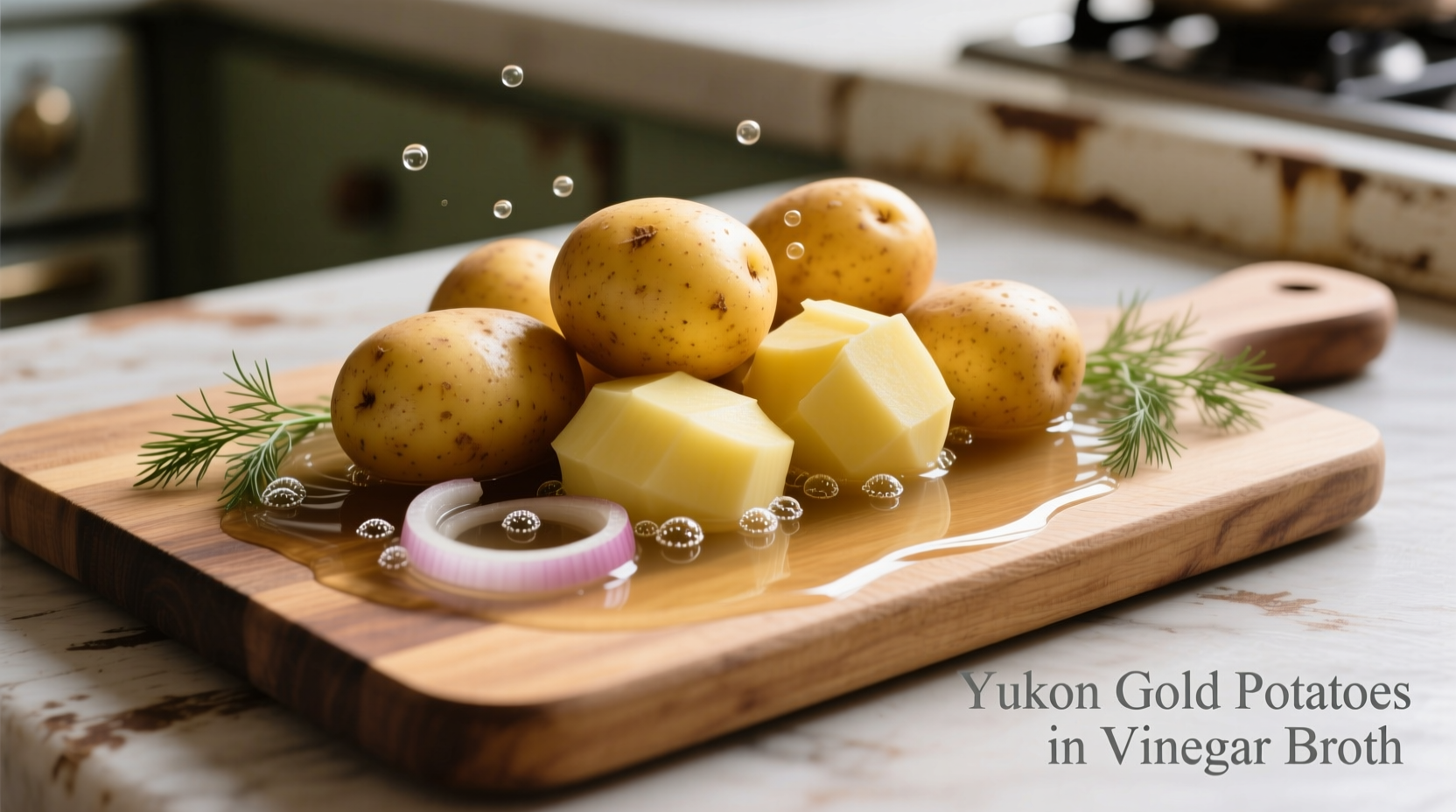
Choose waxy or medium-starch potatoes like Yukon Golds (Martha's preferred variety) for optimal results. Cut them into uniform 3/4-inch cubes—any smaller and they'll overcook, any larger and they won't absorb the dressing properly. The USDA Agricultural Research Service confirms that uniform sizing ensures even cooking, which is critical for texture.
Step 2: The Vinegar-Infused Cooling Method
This is Martha's signature move that transforms ordinary potato salad:
- Place cut potatoes in a large pot and cover with cold water by 1 inch
- Add 1 tablespoon of white vinegar per pound of potatoes to the cooking water
- Bring to a gentle boil, then reduce heat and simmer until just tender (12-15 minutes)
- Crucial step: Remove from heat but do not drain. Let potatoes cool completely in the cooking liquid
Why This Technique Works
The vinegar serves two critical functions according to food science research from USDA National Institute of Food and Agriculture:
- It slightly acidifies the cooking water, which helps maintain potato structure
- It creates microscopic channels in the potato surface that better absorb dressing
As potatoes cool in their liquid, they gradually absorb just enough moisture to stay tender without becoming waterlogged—a delicate balance that draining immediately disrupts.
Avoiding Common Potato Salad Pitfalls
Even with Martha's technique, many home cooks still encounter problems. Here's how to avoid them:
The Mayo Mystery: Getting the Dressing Ratio Right
Martha Stewart's dressing formula maintains perfect balance:
- 1 cup quality mayonnaise per 2 pounds cooked potatoes
- 1 tablespoon Dijon mustard
- 1 teaspoon celery seed
- 1/4 cup finely diced celery
- Salt and freshly ground pepper to taste
Adding dressing to warm (not hot) potatoes allows better absorption. The USDA Food Safety and Inspection Service recommends cooling potatoes to room temperature within two hours for food safety, making Martha's cooling method both practical and safe.
Timing Is Everything
Martha Stewart's complete timeline for perfect potato salad:
- 0-15 minutes: Cook potatoes in vinegar water
- 15-60 minutes: Cool potatoes in cooking liquid (critical step!)
- 60-75 minutes: Prepare dressing while potatoes cool
- 75-90 minutes: Combine ingredients and refrigerate
- 2+ hours: Chill before serving for optimal flavor development
Professional Variations Worth Trying
Once you've mastered Martha's base technique, experiment with these chef-approved variations:
The French Twist
Substitute half the mayonnaise with crème fraîche and add fresh tarragon. This variation works particularly well with fingerling potatoes and was featured in Martha's 2018 summer entertaining guide.
The Mustard Upgrade
Replace standard yellow mustard with a blend of Dijon and whole grain mustard. The texture contrast adds sophistication while maintaining the tangy profile Martha recommends.
Storage Secrets for Lasting Freshness
Proper storage determines whether your potato salad remains vibrant or turns into a soggy mess. Martha Stewart's storage protocol:
- Store in an airtight container with parchment paper directly touching the surface
- Consume within 3 days for optimal texture (USDA food safety guidelines recommend no longer than 5 days)
- Never freeze potato salad—potatoes become grainy and dressing separates
Revive day-old potato salad by stirring in one teaspoon of fresh lemon juice and a tablespoon of mayonnaise before serving.
Why This Technique Has Stood the Test of Time
Potato salad has evolved significantly since its 18th century origins. Martha Stewart's method combines traditional European techniques with modern food science understanding. Historical food records from the Library of Congress show that vinegar-based potato treatments date back to early German potato salads, but Martha's specific cooling-in-liquid approach represents a refinement perfected through decades of recipe testing.
Putting It All Together: Your Foolproof Potato Salad Checklist
Before you start cooking, verify you have these essentials:
- Yukon Gold or other waxy potatoes (not russets!)
- Vinegar (white or apple cider)
- Quality mayonnaise (not salad dressing)
- Freshly ground pepper (pre-ground loses potency)
- A large mixing bowl that won't react with acids
- Time—rushing the cooling process ruins texture




 浙公网安备
33010002000092号
浙公网安备
33010002000092号 浙B2-20120091-4