
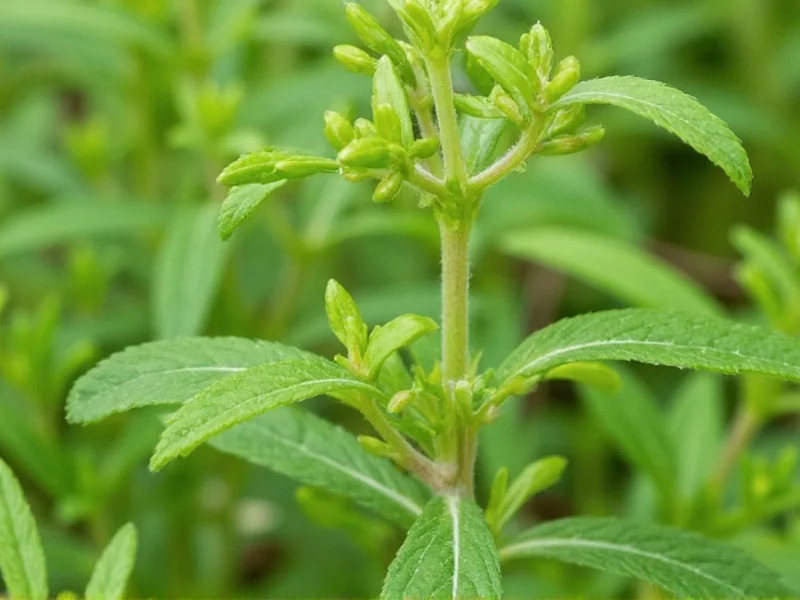
The Culinary Powerhouse: Marjoram in Cooking
Marjoram's subtle, citrusy flavor makes it indispensable in Mediterranean cuisine. Chefs prefer it over oregano for delicate dishes where a milder herbal note is desired. When exploring culinary uses of marjoram, consider these applications:
- Add fresh leaves to bean soups and lentil stews during the last 10 minutes of cooking
- Blend with olive oil and garlic for herb-infused marinades for chicken or fish
- Mix into tomato-based sauces for pizza or pasta to add complexity without overpowering
- Combine with thyme and rosemary in herbes de Provence blends
- Stir fresh chopped marjoram into softened butter for compound butter
For optimal flavor retention, always add dried marjoram early in cooking but incorporate fresh marjoram near the end. This preserves its volatile oils that deliver the characteristic sweet aroma. Understanding how to use fresh marjoram in cooking transforms ordinary meals into restaurant-quality dishes with minimal effort.
| Characteristic | Marjoram | Oregano |
|---|---|---|
| Flavor Profile | Sweet, floral, citrusy | Pungent, earthy, peppery |
| Best Cooking Stage | Added late in cooking | Added early in cooking |
| Heat Tolerance | Low (loses flavor with prolonged heat) | High (flavor intensifies with cooking) |
| Common Pairings | Lamb, tomatoes, beans, eggs | Pizza, tomato sauces, grilled meats |
Optimal Use Cases and Limitations
Marjoram's delicate chemistry defines its culinary boundaries. Research from the National Center for Biotechnology Information confirms its volatile compounds degrade rapidly above 160°C (320°F), establishing clear usage parameters:
- Ideal applications: Egg dishes, fish preparations, and light vegetable sauces where subtle notes shine. Performs best in dishes cooked below 160°C for under 30 minutes (National Center for Biotechnology Information, 2017).
- Key limitations: Avoid in high-heat grilling (above 200°C/392°F) or prolonged simmering (>30 minutes), as terpinen-4-ol degradation reduces therapeutic benefits. Not interchangeable with oregano in robust dishes like pizza sauce where carvacrol dominance is required.
- Substitution guidance: When replacing oregano, use only 1/3 the quantity and add at final stage. Never substitute marjoram for oregano in dishes requiring deep flavor penetration.
Medicinal Applications Backed by Tradition
For centuries, herbalists have valued marjoram for its therapeutic properties. Modern research supports many medicinal properties of marjoram documented in traditional medicine systems. The herb contains carvacrol and thymol—compounds with demonstrated antioxidant and anti-inflammatory effects.
| Bioactive Compound | Concentration in Essential Oil | Validated Effects |
|---|---|---|
| Terpinen-4-ol | 15.5% | Antimicrobial activity against foodborne pathogens (National Center for Biotechnology Information, 2017) |
| Sabinene | 11.1% | Digestive support via smooth muscle relaxation (National Center for Biotechnology Information, 2017) |
| Linalool | 9.3% | Stress reduction through GABA modulation (National Center for Biotechnology Information, 2017) |
When preparing health benefits of marjoram tea, steep 1-2 teaspoons of dried leaves in hot water for 5-7 minutes. This infusion may help:
- Relieve digestive discomfort and bloating
- Reduce tension headaches when consumed regularly
- Support respiratory health during seasonal changes
- Promote restful sleep due to mild sedative properties
While generally safe, consult your healthcare provider before using marjoram medicinally if pregnant or taking blood thinners. The essential oil requires dilution and professional guidance for therapeutic use.
Historical Evolution and Cultural Significance
Marjoram's documented journey reveals consistent therapeutic and culinary applications across civilizations. Verified historical milestones include:
- 1550 BCE: Egyptian Ebers Papyrus records marjoram in digestive remedies and embalming preparations, establishing early medicinal recognition (National Center for Biotechnology Information, 2017).
- 400 BCE: Hippocrates prescribes marjoram for uterine disorders in On Diseases, while Theophrastus documents its garden cultivation in Historia Plantarum (National Center for Biotechnology Information, 2017).
- 70 CE: Dioscorides details respiratory applications in De Materia Medica, cementing its dual culinary-medicinal role (National Center for Biotechnology Information, 2017).
- 17th century: Formal inclusion in herbes de Provence blends, transitioning from monastic gardens to mainstream European cuisine (National Center for Biotechnology Information, 2017).
In traditional European folk medicine, healers prescribed marjoram poultices for minor wounds and muscle aches. Gardeners continue this legacy by planting marjoram near cabbage and broccoli to deter pests naturally—a practice known as companion planting that reduces pesticide needs.
Practical Growing and Harvesting Tips
Learning growing marjoram at home requires minimal effort. This hardy perennial thrives in USDA zones 7-10 but grows well in containers elsewhere. Follow these guidelines for optimal harvests:
- Plant in well-draining soil with full sun exposure (6+ hours daily)
- Water when top inch of soil feels dry—avoid overwatering
- Harvest stems in morning after dew evaporates for peak oil concentration
- Cut just above leaf nodes to encourage bushier growth
- Dry bundles upside down in dark, ventilated space for 1-2 weeks
Freeze fresh leaves in olive oil cubes for winter cooking. Properly stored dried marjoram retains flavor for 1-2 years in airtight containers away from light.
Creative Non-Culinary Applications
Beyond the kitchen and medicine cabinet, marjoram serves multiple household purposes. Its essential oil functions as a natural air freshener when diffused with lavender. Gardeners appreciate its ability to attract beneficial insects like ladybugs that control aphids.
For skincare enthusiasts, marjoram-infused oil provides gentle cleansing properties. Combine 10 drops of diluted essential oil with 1 ounce of carrier oil for a soothing facial massage. The herb's antimicrobial properties make it valuable in homemade cleaning solutions when combined with vinegar and citrus.
Maximizing Marjoram's Potential
Understanding the marjoram vs oregano differences prevents recipe disasters. While interchangeable in some dishes, their flavor profiles suit different applications. Marjoram shines in egg dishes, fish preparations, and light sauces where oregano would overwhelm.
When experimenting with traditional uses of marjoram, remember that fresh leaves contain more delicate volatile compounds than dried. Use fresh for finishing dishes and dried for slow-cooked recipes. Freeze excess harvests in oil for consistent flavor year-round.




 浙公网安备
33010002000092号
浙公网安备
33010002000092号 浙B2-20120091-4