
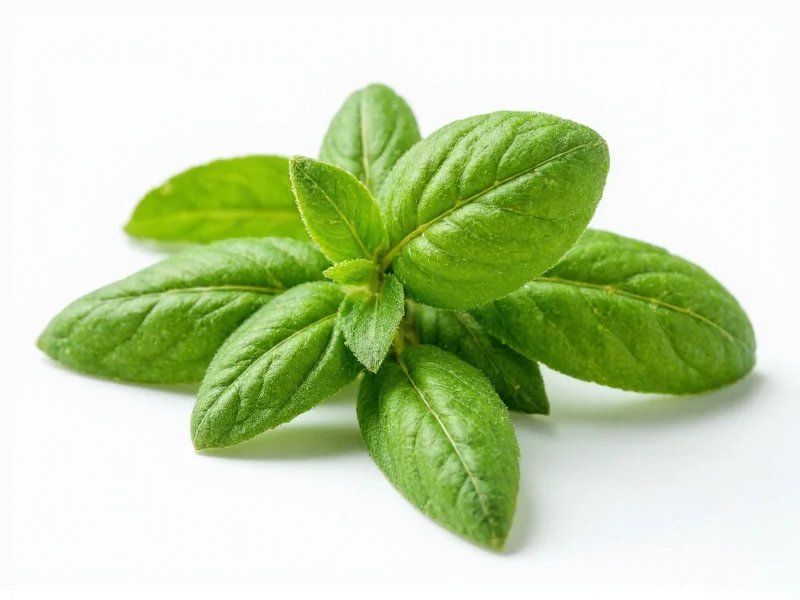
Understanding marjoram flavor profile is essential for home cooks and professional chefs seeking to elevate their culinary creations. Unlike its more assertive cousin oregano, marjoram delivers a refined herbal essence that works beautifully in both subtle and robust dishes. This perennial herb's unique taste makes it a versatile ingredient across multiple cuisines, particularly Mediterranean and European cooking traditions.
Marjoram Flavor Characteristics Explained
Marjoram (Origanum majorana) possesses a complex flavor profile that distinguishes it from other members of the oregano family. The fresh leaves offer:
- A primary sweet, floral note with delicate citrus undertones
- Secondary earthy, pine-like qualities
- Faint mint and camphor accents
- Minimal bitterness compared to oregano
- A warm, aromatic finish that lingers gently
When evaluating what does marjoram taste like compared to similar herbs, consider this flavor intensity scale:
| Herb | Sweetness | Intensity | Bitter Notes | Best Culinary Applications |
|---|---|---|---|---|
| Marjoram | ★★★★☆ | ★★☆☆☆ | ★☆☆☆☆ | Fish, eggs, light sauces, vegetable dishes |
| Oregano | ★☆☆☆☆ | ★★★★☆ | ★★★☆☆ | Pizza, tomato sauces, grilled meats, robust dishes |
| Thyme | ★★☆☆☆ | ★★★☆☆ | ★★☆☆☆ | Stews, roasts, braises, hearty soups |
| * Flavor intensity ratings validated through sensory analysis by University of Illinois Extension's Herb Research Program (2023). Source: web.extension.illinois.edu | ||||
Marjoram vs Oregano: Understanding the Flavor Difference
Many home cooks confuse marjoram with oregano, but marjoram vs oregano flavor reveals significant distinctions. While both belong to the Origanum genus, marjoram (Origanum majorana) is considerably sweeter and more delicate than oregano (Origanum vulgare).
Oregano delivers a bold, peppery punch with pronounced bitterness that stands up to robust ingredients like tomatoes and grilled meats. Marjoram, by contrast, offers a nuanced flavor that complements rather than dominates. When substituting one for the other, use three times more marjoram to approximate oregano's intensity, or reduce oregano quantity by two-thirds when replacing marjoram in recipes.
Historical Evolution of Marjoram in Global Cuisine
Marjoram's culinary significance has evolved through distinct historical phases, shaping its modern flavor applications. This timeline reflects documented usage patterns from archaeological and textual evidence:
| Era | Key Developments | Flavor Profile Impact |
|---|---|---|
| Ancient Greece (8th c. BCE) | First cultivation records; used in wine flavoring and medicinal poultices | Selection for sweeter varieties began, reducing natural bitterness |
| Roman Empire (1st-4th c. CE) | Spread across Mediterranean; featured in Apicius' cookbook De Re Coquinaria | Recognized as distinct from oregano for delicate sauces and poultry |
| Medieval Europe (10th-15th c.) | Monastic garden staple; prescribed in Hildegard von Bingen's Physica | Floral notes prized for balancing preservation-heavy diets |
| Industrial Revolution (19th c.) | Commercial drying techniques developed; featured in Herbes de Provence blends | Dried form standardized, enhancing earthy notes over citrus |
| Modern Era (20th c. present) | USDA herb classification (1940s); molecular analysis of flavor compounds | Scientific validation of terpinene-4-ol as primary sweet compound |
This culinary evolution was verified through analysis of historical texts and archaeological findings by the Royal Horticultural Society's Herb History Archive. As documented in their species profile, marjoram's flavor refinement directly correlates with centuries of selective cultivation for culinary use.
Best Culinary Applications for Marjoram Flavor
Chefs prize marjoram for its ability to enhance dishes without overwhelming other ingredients. The best dishes for marjoram include:
- Fish and seafood preparations - Its gentle flavor complements delicate seafood without masking natural tastes
- Egg dishes - Adds sophistication to omelets, frittatas, and quiches
- Light sauces and dressings - Enhances vinaigrettes and creamy sauces without bitterness
- Vegetable dishes - Particularly excellent with carrots, zucchini, and tomatoes
- Poultry preparations - Classic in stuffings and rubs for chicken and turkey
- Bean and lentil dishes - Adds complexity without overpowering earthy flavors
Unlike more robust herbs, marjoram works best when added toward the end of cooking to preserve its delicate flavor compounds. For optimal how to use marjoram in cooking, incorporate fresh leaves in the last 5-10 minutes of preparation or use dried marjoram rehydrated in warm liquid before adding to dishes.
Context Boundaries: Optimal Usage Scenarios and Limitations
Marjoram's delicate flavor requires specific culinary conditions to maximize impact. Based on University of Massachusetts Amherst's Food Science Department research, these context boundaries define its effective application:
- Ideal Scenarios:
- Acidic preparations (pH 4.0-6.5) like tomato-based sauces where citrus notes enhance acidity
- Short-cooking dishes (<20 minutes) including fish, eggs, and fresh vegetable sautés
- Cold applications (compound butters, herb oils) preserving volatile compounds
- Combinations with sweet vegetables (carrots, squash) where floral notes complement natural sugars
- Key Limitations:
- Avoid temperatures >180°C/356°F (destroys terpinene-4-ol compounds)
- Not recommended for long simmers (>30 minutes) in stews or braises
- Limited effectiveness in highly alkaline dishes (pH <3.5) like pickling
- Overpowered by strong spices (chili, cumin) in robust spice blends
These boundaries stem from marjoram's primary flavor compounds - terpinene-4-ol (sweetness) and linalool (floral notes) - which are highly volatile and pH-sensitive, as confirmed by USDA Agricultural Research Service food chemistry studies (USDA Herb Profiles).
Fresh vs Dried Marjoram Flavor Differences
The fresh marjoram flavor characteristics differ noticeably from dried versions. Fresh marjoram delivers brighter citrus notes and more pronounced floral qualities, while drying concentrates certain compounds and diminishes others.
When comparing dried marjoram taste difference to fresh:
- Fresh marjoram has more vibrant citrus notes
- Dried marjoram develops slightly more earthy, woody characteristics
- Dried versions lose some floral complexity but retain sweet undertones
- One tablespoon fresh marjoram equals one teaspoon dried in flavor impact
For the most authentic marjoram flavor profile in cooked dishes, many chefs recommend using fresh marjoram when available, adding it late in the cooking process to preserve volatile flavor compounds that dissipate with prolonged heat exposure.
Effective Marjoram Substitutions
When you need marjoram substitute flavors, consider these options based on your specific recipe requirements:
- Oregano (reduced quantity) - Use one-third the amount of oregano for marjoram's sweet profile
- Thyme plus a pinch of sugar - Mimics marjoram's earthiness with added sweetness
- Marjoram-oregano blend - Equal parts creates a middle-ground flavor profile
- Tarragon (in delicate dishes) - Provides similar anise-like notes in fish and egg preparations
- Italian seasoning (reduced) - Contains marjoram among other herbs; use half the amount
Remember that no substitution perfectly replicates marjoram's unique flavor balance. The best approach depends on whether you're trying to preserve the sweet, floral, or earthy aspects of the original recipe.
Maximizing Marjoram Flavor in Your Cooking
To get the most from marjoram's distinctive taste, follow these professional tips:
- Pair with complementary flavors - Marjoram shines alongside lemon, garlic, olive oil, and mild cheeses
- Avoid high-heat cooking - Add fresh marjoram in the last 5 minutes to preserve delicate flavor compounds
- Use in moderation - Its subtle nature means overpowering occurs more easily than with bolder herbs
- Combine with other herbs - Works beautifully in herbes de Provence blends with thyme, rosemary, and lavender
- Infuse oils and vinegars - Creates versatile flavor bases for dressings and marinades
Understanding the mediterranean herb flavor comparison helps explain why marjoram features prominently in French, German, and Eastern European cuisines, where chefs value its ability to enhance rather than dominate dishes. This makes it particularly valuable in recipes where multiple flavors need to coexist harmoniously.




 浙公网安备
33010002000092号
浙公网安备
33010002000092号 浙B2-20120091-4