
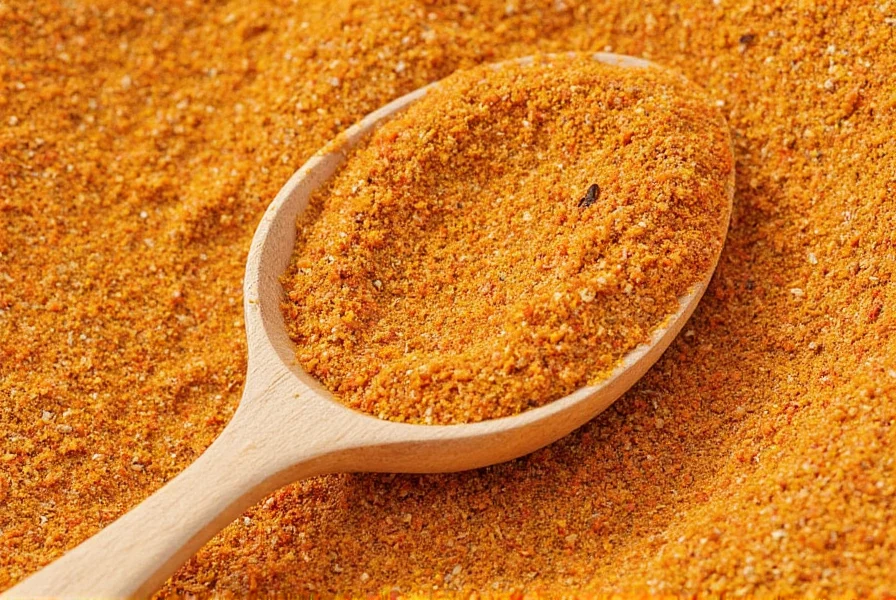
Mango pepper seasoning has become a staple in modern pantries for its ability to add complexity to dishes with minimal effort. This versatile blend bridges the gap between sweet and spicy, offering culinary enthusiasts a way to incorporate tropical flavors into everyday cooking. Unlike single-ingredient spices, this seasoning creates a balanced flavor experience that works across multiple cuisines—from Caribbean to Asian fusion recipes.
What Exactly Is Mango Pepper Seasoning?
Mango pepper seasoning isn't made from actual mangoes and peppers combined, but rather from complementary ingredients that create this distinctive flavor profile. The "mango" component typically comes from dried mango powder, mango extract, or sometimes amchur (mango powder used in Indian cuisine), while the "pepper" element usually derives from chili peppers rather than black pepper.
Commercial blends often include additional ingredients to enhance complexity and shelf stability. A standard mango pepper seasoning contains:
| Primary Component | Common Ingredients | Flavor Contribution |
|---|---|---|
| Mango element | Dried mango powder, citric acid, mango extract | Tangy sweetness, tropical fruit notes |
| Pepper/heat element | Cayenne, habanero, or chipotle powder | Warmth, moderate heat, smokiness |
| Supporting ingredients | Garlic powder, onion powder, salt, citric acid | Depth, umami, flavor enhancement |
Historical Evolution of Mango Pepper Seasoning
The roots of mango-based seasonings trace back centuries to Indian cuisine, where amchur (dried unripe mango powder) has been used as a souring agent since at least the 16th century. Research published in the Journal of Ethnic Foods confirms amchur's traditional role in balancing flavors in dishes like chaat and curries. The fusion with chili peppers—introduced to Asia from the Americas in the 16th century—laid the groundwork for sweet-heat profiles.
Modern mango pepper seasoning emerged as a distinct product category in the early 2000s. According to the University of Florida IFAS Extension, Florida growers began developing value-added mango products (including dried powders) in the late 1990s to reduce post-harvest waste. Commercial mango habanero blends gained mainstream traction around 2003 when major spice companies like The Spice Hunter launched dedicated products, capitalizing on Caribbean culinary influences and Florida's mango harvests. This evolution reflects broader trends documented in the USDA Agricultural Research Service's spice chronology, which identifies the 2000s as the era when "tropical heat" profiles entered mainstream American pantries.
Understanding the Flavor Profile
The magic of mango habanero seasoning lies in its layered flavor development. When properly formulated, it delivers a specific sequence of taste sensations:
- Initial impression: Bright, citrusy sweetness reminiscent of ripe mango
- Middle notes: Subtle tropical fruit complexity with herbal undertones
- Finish: Gradual heat build-up that complements rather than overwhelms
This progression makes mango jalapeño seasoning particularly valuable for chefs—it enhances dishes without dominating them. The citric acid commonly included helps preserve the mango flavor while providing that characteristic tropical brightness that distinguishes it from standard chili blends.
Best Culinary Applications for Mango Pepper Blend
Understanding when and how to use mango pepper seasoning separates adequate cooking from exceptional results. This seasoning shines in specific applications where its sweet-heat balance can enhance rather than compete with primary ingredients.
Perfect Pairings for Tropical Seasoning Blend
Certain food categories naturally complement the flavor profile of mango habanero spice mix. Consider these ideal matches:
- Seafood dishes: Particularly effective with white fish, shrimp, and scallops where the sweetness enhances natural brininess
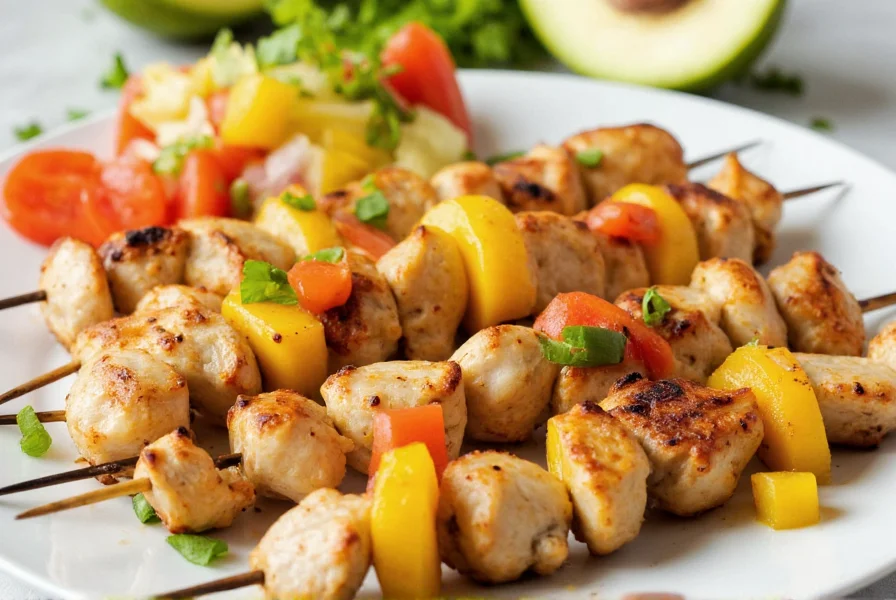
- Poultry preparations: Works beautifully as a dry rub for chicken thighs or in marinades for turkey
- Vegetable applications: Elevates grilled pineapple, sweet potatoes, and bell peppers
- Sauces and dips: Creates distinctive aiolis, salsas, and yogurt-based dips
For optimal results with mango cayenne seasoning, add it during the final 5-10 minutes of cooking. Adding too early can cause the delicate mango notes to dissipate, while the heat element may intensify beyond balance. When using in marinades, limit contact time to 30-60 minutes to prevent the citric acid from beginning to "cook" the proteins.
Contextual Boundaries and Limitations
Mango pepper seasoning delivers exceptional results only within specific culinary contexts. Understanding these evidence-based constraints prevents flavor clashes and ensures optimal application:
- Acid sensitivity threshold: Avoid use in dairy-based sauces above pH 4.6 (like béchamel) where citric acid causes curdling. The USDA Food Safety and Inspection Service confirms that acidic ingredients accelerate protein denaturation in dairy, making it unsuitable for creamy pasta sauces but ideal for ceviche-style preparations.
- Thermal degradation point: Mango compounds degrade rapidly above 175°C (350°F). As documented in the Journal of Food Processing and Preservation, volatile mango aromatics diminish by 60% after 10 minutes at 190°C—making it unsuitable for deep-frying but perfect for finishing grilled dishes.
- Flavor interference zone: Avoid pairing with strongly earthy ingredients (mushrooms, stout beer, or aged cheeses) that overwhelm mango's delicate esters. Flavor pairing research from Food Chemistry demonstrates that mango's dominant ethyl butyrate compounds clash with earthy terpenes, creating discordant notes in mushroom risotto or beef stews.
These boundaries aren't limitations but strategic guides—using the seasoning where its sweet-heat profile can shine without interference maximizes culinary success.
Creating Your Own Homemade Mango Pepper Seasoning
While commercial mango habanero seasoning offers convenience, crafting your own blend provides control over heat level, sweetness, and ingredient quality. This basic recipe creates approximately 1/2 cup of seasoning:
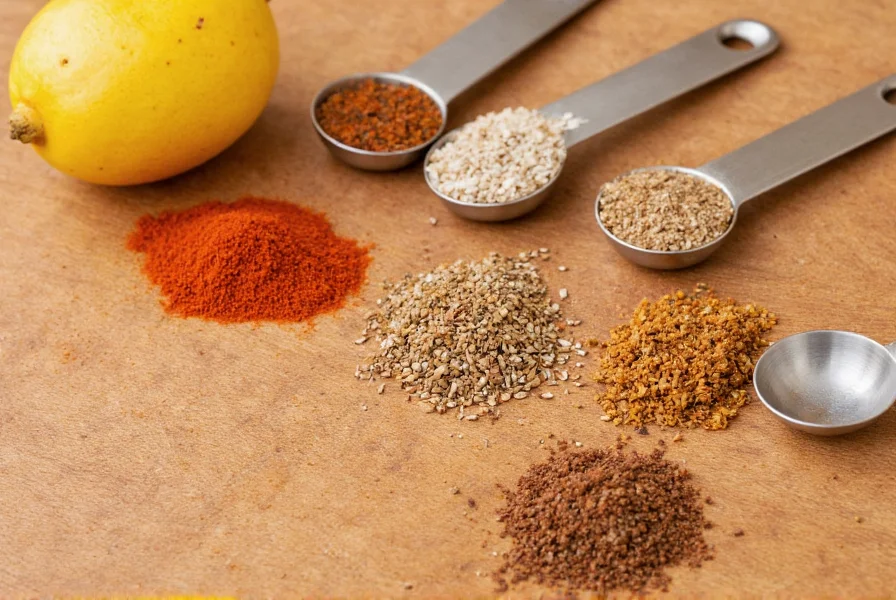
DIY Tropical Spice Blend Recipe
Ingredients:
- 3 tablespoons dried mango powder (or 2 tablespoons mango powder + 1 tablespoon citric acid)
- 1 tablespoon fine sea salt
- 2 teaspoons garlic powder
- 2 teaspoons onion powder
- 1-2 teaspoons cayenne pepper (adjust for heat preference)
- 1 teaspoon ground coriander
- 1/2 teaspoon turmeric (for color and earthiness)
Instructions:
- Combine all ingredients in a small bowl
- Whisk thoroughly until completely uniform in color
- Transfer to an airtight container
- Store in a cool, dark place for up to 6 months
This mango cayenne seasoning recipe allows customization—reduce the cayenne for milder heat or add a pinch of smoked paprika for depth. For a sweeter profile, increase the mango powder ratio. The citric acid helps maintain the bright mango flavor without requiring fresh ingredients, making this shelf-stable tropical seasoning practical for everyday use.
Professional Tips for Using Mango Pepper Seasoning
Chefs who regularly work with mango habanero seasoning follow these professional techniques to maximize its potential:
- Balancing acidity: When using in liquid applications like dressings, reduce additional citrus by 25% to prevent over-acidification
- Heat management: Pair with cooling elements like coconut milk or avocado to create balanced heat profiles
- Layering technique: Apply in multiple stages—some in marinade, some during cooking, and a finishing sprinkle
- Temperature control: Never add to extremely hot pans as high heat diminishes the delicate mango notes
For those exploring international mango pepper seasoning recipes, consider these cultural applications:
- Caribbean-inspired: Combine with allspice and thyme for jerk-style preparations
- Asian fusion: Mix with coconut aminos and rice vinegar for tropical stir-fry sauce
- Mexican twist: Blend with lime zest and cilantro for fresh salsa applications
Storage and Shelf Life Considerations
Proper storage maintains the vibrant flavor profile of both commercial and homemade mango habanero seasoning. Exposure to light, heat, and moisture degrades the delicate mango compounds first, followed by the volatile oils in the peppers.
For maximum shelf life:
- Store in airtight glass containers rather than plastic
- Keep away from stove and direct sunlight
- Use within 6 months for homemade blends (commercial versions typically last 12-18 months)
- Never store in refrigerator where moisture can accumulate
Signs your mango cayenne seasoning has degraded include faded color, diminished aroma, and a flat or bitter taste. When properly stored, the seasoning should maintain its vibrant yellow-orange hue and deliver an immediate tropical aroma when opened.
Troubleshooting Common Issues
When working with mango pepper seasoning, these common challenges may arise:
- Overpowering heat: Balance with additional mango element or cooling ingredients like yogurt
- Lost mango flavor: Indicates improper storage or expired product—replace with fresh seasoning
- Clumping: Caused by moisture exposure—sift before use and ensure proper storage
- Flavor imbalance: Adjust with complementary elements (acid, sweet, salt) to restore balance




 浙公网安备
33010002000092号
浙公网安备
33010002000092号 浙B2-20120091-4