
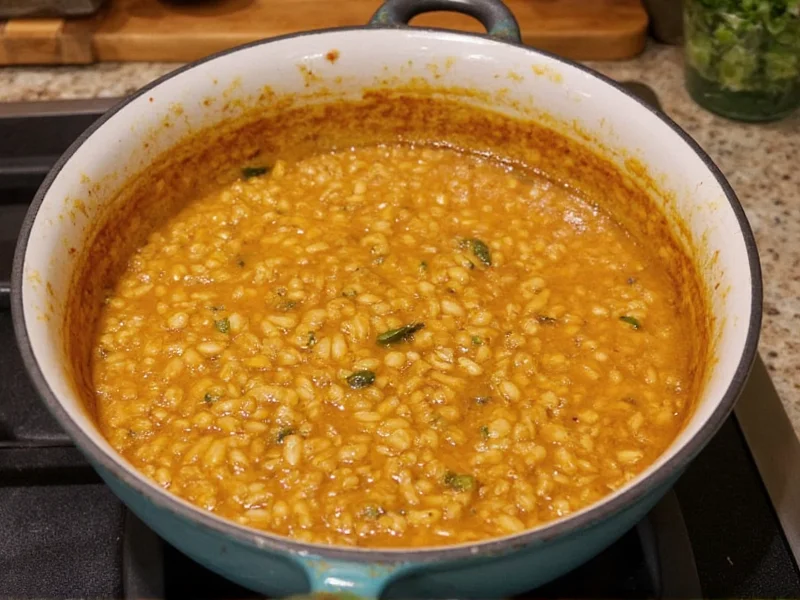
Lentil dahl stands as one of India's most beloved comfort foods—a nourishing, protein-packed stew that's both simple to prepare and deeply flavorful. This versatile dish adapts beautifully to various dietary needs while delivering rich nutrition. Whether you're a beginner cook or an experienced home chef, mastering this easy lentil dahl recipe opens doors to countless meal possibilities across breakfast, lunch, and dinner.
Why This Authentic Lentil Dahl Recipe Works
Unlike many simplified versions, this approach honors traditional techniques while remaining accessible for modern kitchens. The magic happens through proper spice blooming and lentil preparation—techniques that transform basic ingredients into something extraordinary. Red lentils break down perfectly to create that signature creamy texture without needing dairy, making this naturally vegan and gluten-free.
Essential Ingredients for Perfect Lentil Dahl
The quality of your ingredients directly impacts the final dish. Here's what you'll need for authentic results:
| Ingredient | Why It Matters | Substitution Options |
|---|---|---|
| Red lentils (masoor dal) | Cook quickly and create ideal creamy texture | Brown lentils (increase cooking time) |
| Fresh ginger | Provides bright, authentic warmth | 1/2 tsp ground ginger (less ideal) |
| Coconut milk | Adds richness without dairy | Heavy cream (non-vegan option) |
| Fresh cilantro | Essential finishing touch for authentic flavor | Parsley (different flavor profile) |
Step-by-Step Cooking Instructions
Preparation (5 minutes)
Rinse 1 cup red lentils under cold water until the water runs clear. This removes excess starch and prevents mushiness. Chop 1 medium onion, mince 2 garlic cloves, and grate 1-inch fresh ginger. Measure all spices into a small bowl for quick access during cooking.
Cooking Process (25 minutes)
- Heat 2 tablespoons coconut oil in a medium pot over medium heat
- Add onions and sauté until golden (5-7 minutes)
- Stir in garlic, ginger, and all spices (turmeric, cumin, coriander, chili powder)
- Cook spices for 1 minute until fragrant but not burnt
- Add rinsed lentils, tomato paste, and 3 cups liquid (water or vegetable broth)
- Bring to a gentle boil, then reduce heat to low
- Cover and simmer for 15-20 minutes until lentils are completely tender
- Stir in 1/2 cup coconut milk and simmer uncovered for 5 minutes
- Finish with fresh lemon juice and chopped cilantro
Pro Tips for Best Results
Achieve restaurant-quality authentic Indian lentil dahl with these professional techniques:
- Spice blooming: Never skip cooking spices in oil—this unlocks their full flavor potential
- Liquid ratio: Use 3 cups liquid per 1 cup lentils for perfect consistency
- No stirring: Avoid stirring while simmering to prevent lentils from breaking down too much
- Acid balance: Always finish with lemon juice to brighten flavors
- Resting time: Let dahl sit covered for 10 minutes after cooking for better texture
Common Mistakes to Avoid
Even quick lentil dahl for beginners can go wrong without proper technique. Steer clear of these pitfalls:
- Skipping lentil rinsing: Causes cloudy, unappetizing texture
- Burning spices: Creates bitter flavors that ruin the dish
- Overcooking: Turns lentils into mush rather than creamy stew
- Insufficient seasoning: Indian cuisine relies on bold, balanced flavors
- Adding coconut milk too early: Causes separation during cooking
Serving Suggestions and Pairings
Lentil dahl shines as both a standalone meal and part of a larger spread. For the most satisfying lentil dahl serving suggestions:
- Pair with basmati rice or jeera rice for traditional presentation
- Serve alongside naan bread or roti for dipping
- Add a side of cucumber raita to balance the spices
- Garnish with extra cilantro and a drizzle of coconut milk
- Include pickled onions for bright contrast
Storage and Reheating Guidelines
Proper lentil dahl storage tips ensure maximum freshness and flavor retention:
- Cool completely before storing to prevent condensation
- Refrigerate in airtight container for up to 5 days
- Freeze in portion-sized containers for up to 3 months
- Reheat gently on stove with small amount of water to restore consistency
- Avoid microwaving without stirring—creates uneven heating
Variations for Different Preferences
Customize your spicy lentil dahl variations to match your taste preferences:
- Mild version: Omit chili powder and add 1/2 teaspoon garam masala
- Creamier texture: Increase coconut milk to 1 cup
- Extra protein: Stir in 1/2 cup cooked spinach at the end
- Tangy twist: Add 1 tablespoon tamarind paste with tomato paste
- Smoky flavor: Finish with a pinch of smoked paprika
Nutritional Benefits
This healthy lentil dahl with coconut milk delivers impressive nutrition per serving (1 cup):
- 240 calories with 15g protein
- 12g dietary fiber supporting digestive health
- Excellent source of iron, folate, and magnesium
- Naturally low in saturated fat
- Rich in plant-based antioxidants
Troubleshooting Common Issues
Fix problems with your lentil dahl cooking time and temperature adjustments:
- Too thin: Simmer uncovered for additional 5-10 minutes
- Too thick: Stir in 1/4 cup hot water or broth
- Bland flavor: Add 1/4 teaspoon salt and 1 teaspoon lemon juice
- Burnt bottom: Transfer to clean pot immediately, leaving burnt layer behind
- Undercooked lentils: Add 1/2 cup hot water and continue simmering
Mastering Your First Lentil Dahl
For those attempting how to make lentil dahl from scratch, remember that practice improves results. Your first batch might not be perfect, but each attempt refines your technique. The beauty of this dish lies in its forgiving nature—even imperfect dahl tastes wonderful. Focus on proper spice blooming and lentil preparation, and you'll create a comforting meal that impresses everyone at your table.




 浙公网安备
33010002000092号
浙公网安备
33010002000092号 浙B2-20120091-4