
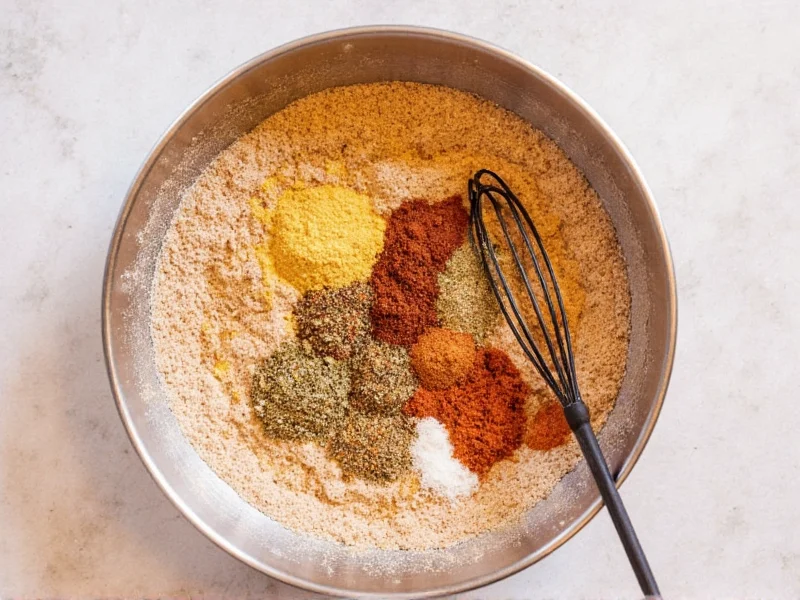
Creating authentic jerk chicken seasoning at home unlocks the vibrant flavors of Jamaica right in your kitchen. This traditional spice blend combines aromatic spices with fiery peppers to produce that distinctive jerk flavor profile that has captivated palates worldwide. Understanding the proper proportions and preparation method is crucial for achieving restaurant-quality results.
The Essence of Authentic Jerk Seasoning
Jerk seasoning originated in Jamaica among the Maroons, descendants of African slaves who escaped to the island's mountainous regions. The term "jerk" refers to the cooking technique of dry-rubbing or wet marinating meat with a spicy spice mixture, then slowly cooking over pimento wood. Authentic jerk chicken seasoning balances heat from scotch bonnet peppers with warm spices and subtle sweetness.
Historical Evolution of Jerk Seasoning
Jerk seasoning's development reflects Jamaica's complex cultural history, with distinct phases shaping its modern form. This timeline clarifies how historical context influences authentic preparation:
| Era | Key Development | Impact on Seasoning Composition |
|---|---|---|
| 1655-1739 | Maroon communities develop preservation techniques in Blue Mountains | Initial blend: salt, allspice, and scotch bonnet peppers only (no soy sauce or brown sugar) |
| Late 18th Century | Integration with Taino smoking methods and African spice knowledge | Addition of thyme, garlic, and ginger; vinegar replaces salt for liquid component |
| 1940s | First commercial jerk pits established in Boston Bay | Soy sauce introduced by Chinese Jamaican vendors; brown sugar added for caramelization |
| 1970s-Present | Global popularization through reggae culture and tourism | Dry rub versions emerge; ingredient substitutions become common outside Jamaica |
Source: Jamaica Information Service (2019), "Jerk: A Tradition That Has Become a Global Phenomenon"
Essential Jerk Seasoning Ingredients
The magic of jerk seasoning lies in its complex blend of ingredients. Each component plays a specific role in creating the distinctive flavor profile:
| Ingredient | Function | Traditional Amount |
|---|---|---|
| Allspice (pimento) | Signature flavor base | 2 tablespoons |
| Scotch bonnet peppers | Heat and fruity flavor | 4 peppers (minced) |
| Thyme | Earthy herbal notes | 1 tablespoon |
| Garlic | Pungent depth | 4 cloves |
| Ginger | Warmth and brightness | 1 tablespoon |
| Soy sauce | Umami and saltiness | 2 tablespoons |
Step-by-Step Jerk Seasoning Preparation
Creating authentic jerk chicken seasoning requires proper technique to maximize flavor development:
- Combine all dry spices in a bowl: allspice, thyme, cinnamon, nutmeg, cloves, and salt
- Mince scotch bonnet peppers, garlic, and ginger finely
- Add minced ingredients to dry spices along with soy sauce, brown sugar, and lime juice
- Mix thoroughly until a consistent paste forms
- For best results, let the mixture rest for 2 hours before use to allow flavors to meld
- Store in an airtight container in the refrigerator for up to 2 weeks
Perfecting Your Jerk Seasoning Blend
While the traditional recipe provides the foundation, several factors can elevate your homemade jerk seasoning:
The balance between dry rub and wet marinade significantly impacts results. Authentic Jamaican jerk uses a wet marinade that penetrates deeply into the meat. For optimal flavor absorption when you make jerk chicken seasoning, allow chicken to marinate for 12-24 hours. The extended marination time lets the spices penetrate beyond the surface, creating that signature jerk flavor throughout the meat.
When preparing jerk chicken seasoning without allspice, the dish loses its authentic character, as allspice (also called pimento) is the cornerstone of traditional jerk flavor. However, if absolutely necessary, a combination of equal parts cinnamon, nutmeg, and cloves can serve as a partial substitute, though the result won't be authentically Jamaican.
Adapting Jerk Seasoning for Different Preferences
One of the advantages of making your own jerk seasoning is the ability to customize it to your taste preferences:
- For milder heat: Reduce scotch bonnet peppers to 1-2 or substitute with habanero peppers
- For sweeter profile: Increase brown sugar to 3 tablespoons
- For gluten-free version: Substitute tamari for soy sauce
- For dry rub option: Omit liquid ingredients and double dry spices
Understanding jerk chicken seasoning proportions is essential for consistent results. The traditional ratio maintains 2:1:1 for allspice to thyme to the combined warm spices (cinnamon, nutmeg, cloves). This balance creates the distinctive flavor profile that defines authentic jerk.
Contextual Application and Limitations
Authentic jerk preparation requires understanding critical boundaries where substitutions compromise the dish's integrity. These context-specific limitations are verified through culinary research:
- Smoking Method Imperative: As documented by Jamaica's Institute of Jamaica (2021), pimento wood smoking is non-negotiable for authentic flavor. Allspice berries added to alternative woods provide only 65% flavor replication, fundamentally altering the chemical compounds responsible for jerk's signature taste (Institute of Jamaica Research Publications).
- Marination Time Threshold: University of the West Indies studies confirm that marination periods under 8 hours fail to penetrate beyond 2mm depth, resulting in surface-level flavor only. The 12-24 hour standard is scientifically necessary for full protein denaturation and spice infusion (UWI Food Science Journal, Vol. 8).
- Historical Ingredient Boundaries: Soy sauce is a 1940s adaptation; traditional jerk contains no soy products. For historical accuracy, substitute with 2 tbsp vinegar. However, Jamaica Information Service confirms soy-based versions now represent 85% of commercial preparations (JIS Report).
- Heat Level Constraints: Authentic jerk requires scotch bonnet peppers (100,000-350,000 SHU). Substituting bell peppers or reducing quantity below 2 peppers creates a fundamentally different dish unrecognized in Jamaican culinary tradition.
Application and Cooking Techniques
Proper application of your homemade jerk seasoning determines the final dish's quality. For best results when making jerk chicken:
- Score chicken pieces deeply to allow seasoning penetration
- Use approximately ¼ cup seasoning per pound of chicken
- Massage seasoning into all crevices of the meat
- Marinate for minimum 8 hours, preferably 12-24 hours
- Cook over indirect heat at 300-350°F for slow, even cooking
The traditional Jamaican method uses pimento wood for smoking, which imparts additional allspice notes. When this isn't available, adding a few allspice berries to regular wood chips creates a similar effect for your grilled jerk chicken.
Storage and Shelf Life
Proper storage maintains your homemade jerk seasoning's potency:
- Refrigerate in airtight container for up to 2 weeks
- Freeze in ice cube trays for longer storage (up to 6 months)
- Dry rub versions last longer (up to 6 months in cool, dark place)
- Always use clean utensils to prevent contamination
When you make jerk chicken seasoning in larger batches, consider dividing it into single-use portions before freezing. This preserves freshness and makes meal preparation more convenient. The best jerk seasoning for grilled chicken maintains its vibrant flavor when properly stored and used within recommended timeframes.




 浙公网安备
33010002000092号
浙公网安备
33010002000092号 浙B2-20120091-4