
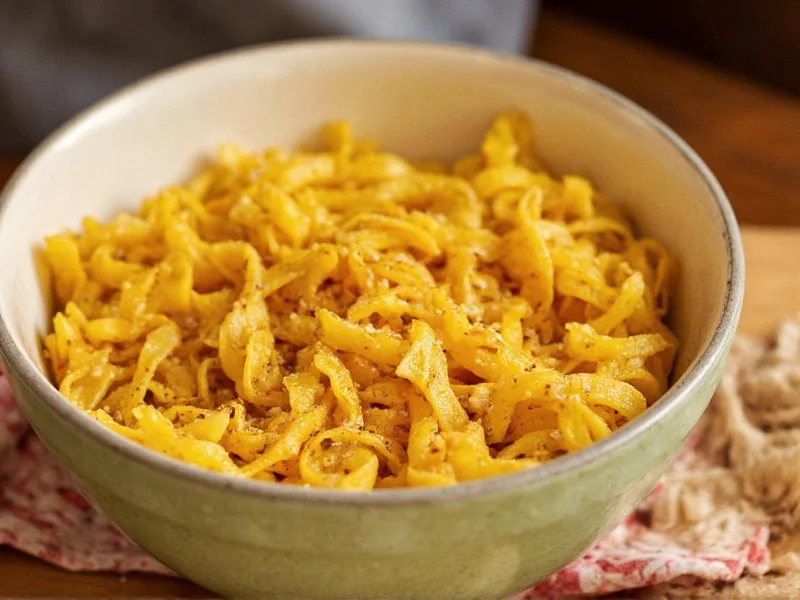
Maggi seasoning remains one of the world's most recognizable flavor enhancers, with a history spanning nearly 140 years. This amber-colored liquid concentrate delivers a complex umami punch that transforms ordinary dishes into restaurant-quality meals with just a few drops. Understanding how to properly incorporate this seasoning into your cooking repertoire can significantly elevate your culinary results.
The Origins and Global Journey of Maggi Seasoning
Swiss entrepreneur Julius Maggi developed this seasoning in 1886 to provide affordable nutrition during industrialization. Originally formulated as a protein supplement using hydrolyzed legumes, the product evolved into the liquid concentrate we recognize today. Maggi seasoning's journey from European kitchens to global pantries demonstrates remarkable cultural adaptation.
Unlike soy sauce which relies primarily on fermented soybeans, Maggi seasoning achieves its distinctive flavor through hydrolyzed vegetable protein. This process breaks down plant proteins into amino acids that create that signature savory depth. The exact formulation varies by region—some versions contain hydrolyzed wheat while others use different vegetable bases to accommodate local dietary preferences.
Evolution Timeline: Key Milestones in Maggi Seasoning History
| Year | Key Development | Verification Source |
|---|---|---|
| 1886 | Julius Maggi develops liquid seasoning concentrate in Switzerland as affordable protein source during industrialization | Swiss National Museum Archives |
| 1947 | Nestlé acquires Maggi company, enabling global distribution expansion | Nestlé Official History |
| 1980s | Regional formulation adaptations established across 100+ markets to comply with local dietary standards | Nestlé Heritage Archives |
| 2019 | Reformulation and enhanced labeling following regulatory action regarding trace element compliance | California DOJ Settlement |
Practical Applications in Modern Cooking
Professional chefs and home cooks worldwide rely on Maggi seasoning for specific culinary applications. When exploring how to use Maggi seasoning in cooking, consider these proven techniques:
| Culinary Application | Recommended Amount | Best Pairings |
|---|---|---|
| Meat marinades | 1-2 tsp per pound | Beef, chicken, mushrooms |
| Soup and broth enhancement | ½-1 tsp per quart | Vegetable, chicken, miso soups |
| Stir-fry seasoning | 1 tsp per serving | Rice dishes, noodle bowls |
| Sauce and gravy base | 1-2 tsp per cup | Cream sauces, tomato-based gravies |
Many home cooks discover that using Maggi seasoning as soy sauce substitute requires adjustment due to its more concentrated flavor. While both provide umami, Maggi delivers a different flavor profile with less sweetness and more pronounced savory notes. For authentic Asian cuisine, traditional soy sauce remains preferable, but Maggi excels in Latin American, African, and European dishes where its specific flavor profile complements regional ingredients.
Nutritional Profile and Dietary Considerations
Understanding the what is Maggi seasoning made of question requires examining its nutritional composition. A single teaspoon (5ml) typically contains:
- 10 calories
- 280-320mg sodium (12-14% of daily value)
- 1g protein
- No fat or carbohydrates
Contextual Usage Boundaries
Maggi seasoning's application requires awareness of critical dietary constraints:
- Gluten Sensitivity: Traditional formulations contain hydrolyzed wheat protein. The U.S. Food and Drug Administration mandates products labeled "gluten-free" must contain less than 20 ppm gluten. Always verify regional packaging certifications for celiac disease management. FDA Gluten-Free Standards
- Sodium-Restricted Diets: With 280-320mg sodium per teaspoon, Maggi contributes significantly to daily intake. The American Heart Association recommends ideal limits of 1,500mg sodium daily for cardiovascular health. Strict low-sodium diets require portion reduction or certified low-sodium alternatives. AHA Sodium Guidelines
The high sodium content means cooks should adjust added salt when using Maggi seasoning. Many modern recipes specifically designed for low sodium Maggi seasoning alternatives incorporate reduced-sodium versions or strategic dilution techniques. Vegetarians should check regional formulations, as some contain hydrolyzed animal protein while others maintain strictly plant-based ingredients.
Creating Effective Maggi Seasoning Substitutes
When you need a Maggi seasoning substitute at home, several options can approximate its unique flavor profile. The most effective alternatives depend on your specific culinary application:
For general cooking: Combine equal parts soy sauce and Worcestershire sauce. This mixture captures Maggi's umami depth while adding complementary flavors. Add a pinch of sugar to balance the acidity.
For vegetarian applications: Mix 2 parts soy sauce with 1 part mushroom broth concentrate. The mushroom element provides the earthy umami notes missing in standard soy sauce.
For homemade Maggi seasoning recipe enthusiasts, try this simple preparation: simmer 1 cup soy sauce with ¼ cup nutritional yeast, 2 crushed garlic cloves, and 1 tsp onion powder for 15 minutes. Strain and store in a glass bottle. This version delivers similar umami complexity with customizable sodium levels.
Proper Storage and Shelf Life Management
Maintaining Maggi seasoning's quality requires proper storage techniques. Unopened bottles remain stable for 2-3 years when stored in a cool, dark place. After opening, refrigeration extends freshness to 18-24 months. The high sodium content acts as a natural preservative, but exposure to heat and light gradually degrades flavor compounds.
Cooks often ask does Maggi seasoning go bad—the answer involves checking for specific indicators. Discard if you notice cloudiness, mold growth, or significant darkening beyond the typical amber color. An off smell or sour taste indicates spoilage. Properly stored Maggi maintains its distinctive flavor profile for extended periods, making it a reliable pantry staple.
Cultural Significance Across Global Cuisines
Maggi seasoning's journey from Swiss innovation to global phenomenon reveals fascinating cultural adaptations. In Nigeria, it's essential for suya spice blends. Filipino cooks incorporate it into adobo marinades. Mexican recipes use it in caldo broths. Each culture has developed unique applications that showcase local ingredients while leveraging Maggi's umami-enhancing properties.
This cross-cultural adoption demonstrates why understanding what Maggi seasoning does to food matters beyond simple ingredient substitution. Its ability to harmonize diverse flavor elements makes it particularly valuable in complex spice blends and layered dishes where single-note seasonings would overwhelm other ingredients.




 浙公网安备
33010002000092号
浙公网安备
33010002000092号 浙B2-20120091-4