
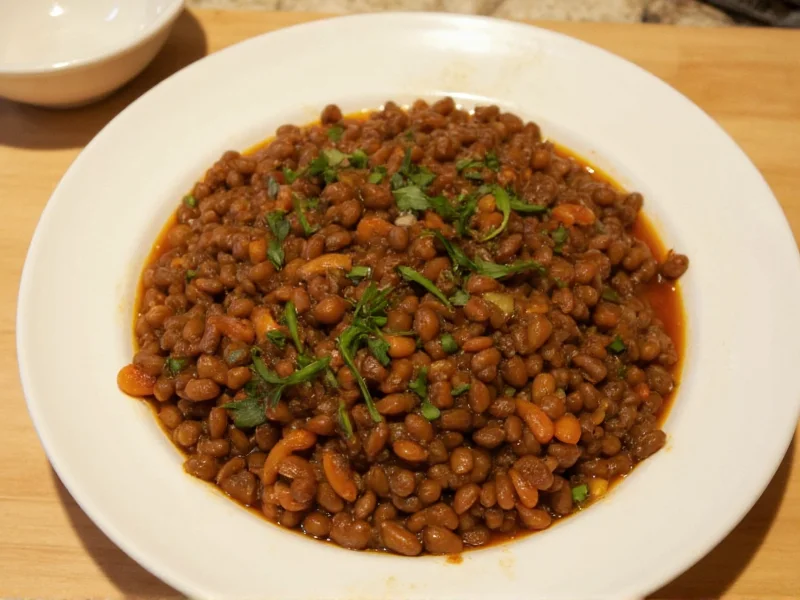
When exploring what are Madras lentils, it's important to clarify a common misconception. Despite the name, Madras lentils aren't a unique lentil variety but rather a regional cooking style from Chennai (formerly known as Madras), India. This flavorful preparation typically uses red lentils (masoor dal) simmered with a signature spice blend that creates a vibrant, aromatic dish central to South Indian cuisine.
Understanding Madras Lentil Preparation
The authentic Madras lentils recipe features a tarka (tempering) technique where spices are fried in oil before being added to cooked lentils. The characteristic flavor profile combines earthy lentils with pungent mustard seeds, fragrant curry leaves, warming turmeric, and heat from dried red chilies. Unlike North Indian dal preparations that often include cream or tomatoes, traditional Madras-style lentils maintain a lighter, more broth-like consistency that perfectly complements steamed rice.
Key Characteristics of Authentic Madras Lentils
What distinguishes genuine Madras style lentil preparation from other lentil dishes?
| Feature | Madras Lentils | Other Indian Lentil Preparations |
|---|---|---|
| Primary Lentil Type | Red lentils (masoor dal) | Variety depending on region (toor dal, urad dal) |
| Consistency | Thin, soup-like | Thicker, creamier |
| Signature Spices | Mustard seeds, curry leaves, dried red chilies | Garam masala, cream, tomatoes |
| Regional Origin | Tamil Nadu (Chennai/Madras) | Variations across India |
Nutritional Benefits of Madras Lentils
When examining Madras lentils nutritional benefits, this preparation offers significant health advantages. Red lentils provide 18g of protein per cooked cup, along with high fiber content (15g per cup) that supports digestive health. The turmeric commonly used contains curcumin, a compound with anti-inflammatory properties. Unlike cream-based lentil preparations, authentic Madras-style lentils remain low in fat while delivering complex carbohydrates for sustained energy.
Traditional Cooking Methods
Mastering how to cook Madras lentils requires attention to technique. First, red lentils are rinsed and pressure-cooked with turmeric until tender but not mushy. The critical step is the tarka—heating oil until smoking, adding mustard seeds until they pop, then incorporating curry leaves, dried red chilies, and asafoetida. This aromatic mixture is poured over the cooked lentils, creating the dish's signature flavor. Many home cooks in Chennai finish with a squeeze of fresh lemon juice to brighten the flavors.
Finding Authentic Ingredients
For those searching where to buy Madras lentils ingredients, specialty Indian grocery stores typically carry all necessary components. Look for whole red lentils (masoor dal) rather than split varieties for authentic texture. Dried Kashmiri red chilies provide the characteristic heat without overwhelming spiciness. Fresh curry leaves are essential—frozen works if fresh isn't available. Many online retailers now offer authentic Madras lentil curry spice kits containing the precise blend used in Chennai households.
Common Substitutions and Variations
Understanding the difference between Madras lentils and regular lentils helps with substitutions. If red lentils aren't available, yellow lentils (toor dal) can work but will yield a slightly different texture. For those avoiding heat, reduce the chilies while maintaining other spices. Some modern Madras lentils recipe variations include coconut milk for creaminess while staying true to South Indian flavors. Traditional preparation remains vegan and gluten-free, making it accessible for various dietary needs.
Storage and Meal Preparation Tips
Properly stored, cooked Madras lentils maintain quality for 4-5 days in the refrigerator. The flavors often deepen overnight as spices meld. For meal prep, divide portions into glass containers with rice for quick lunches. Freeze portions for up to three months—thaw overnight in the refrigerator before reheating gently on the stove. Always add a splash of water when reheating to restore the proper broth-like consistency.
Conclusion
Madras lentils represent more than just a dish—they're a culinary tradition from South India that combines nutrition, flavor, and cultural heritage. By understanding the Madras style lentil preparation techniques and ingredients, home cooks can recreate this comforting staple with authenticity. Whether seeking protein-rich vegetarian meals or exploring regional Indian cuisine, mastering this preparation offers delicious, nourishing results that have sustained generations in the Chennai region.
Frequently Asked Questions
Are Madras lentils the same as red lentils?
No, Madras lentils refer to a preparation style, not a specific lentil variety. They're typically made using red lentils (masoor dal) cooked in the distinctive South Indian style originating from Chennai (Madras). The lentils themselves are the same red lentils used in other Indian dishes, but the cooking method and spice blend create the "Madras" preparation.
What makes Madras lentils different from other Indian dals?
Madras lentils feature a thinner, soup-like consistency compared to thicker North Indian dals. They use a distinctive tempering (tarka) of mustard seeds, curry leaves, and dried red chilies rather than the garam masala, cream, or tomatoes common in other regional preparations. The cooking style originates specifically from Tamil Nadu, giving it unique flavor characteristics.
Can I make authentic Madras lentils without special ingredients?
While authentic flavor requires key ingredients like curry leaves and mustard seeds, you can create a reasonable approximation with available spices. Substitute dried curry leaves if fresh aren't available, and use black mustard seeds as they're more common internationally. The critical elements are the tempering technique and maintaining the proper broth-like consistency rather than thickening the dish.
Are Madras lentils suitable for special diets?
Yes, traditional Madras lentils preparation is naturally vegan, gluten-free, and dairy-free. They provide complete plant-based protein when served with rice. The dish is low in fat and high in fiber, making it suitable for heart-healthy and diabetes-friendly diets when prepared with minimal oil. For low-sodium diets, reduce added salt and use fresh ingredients rather than pre-made spice blends.
How long do cooked Madras lentils stay fresh?
Properly stored in an airtight container, cooked Madras lentils maintain freshness for 4-5 days in the refrigerator. The flavors often improve after 24 hours as spices meld. For longer storage, freeze portions for up to three months. When reheating, add a small amount of water to restore the characteristic thin, broth-like consistency that defines authentic Madras-style preparation.




 浙公网安备
33010002000092号
浙公网安备
33010002000092号 浙B2-20120091-4