
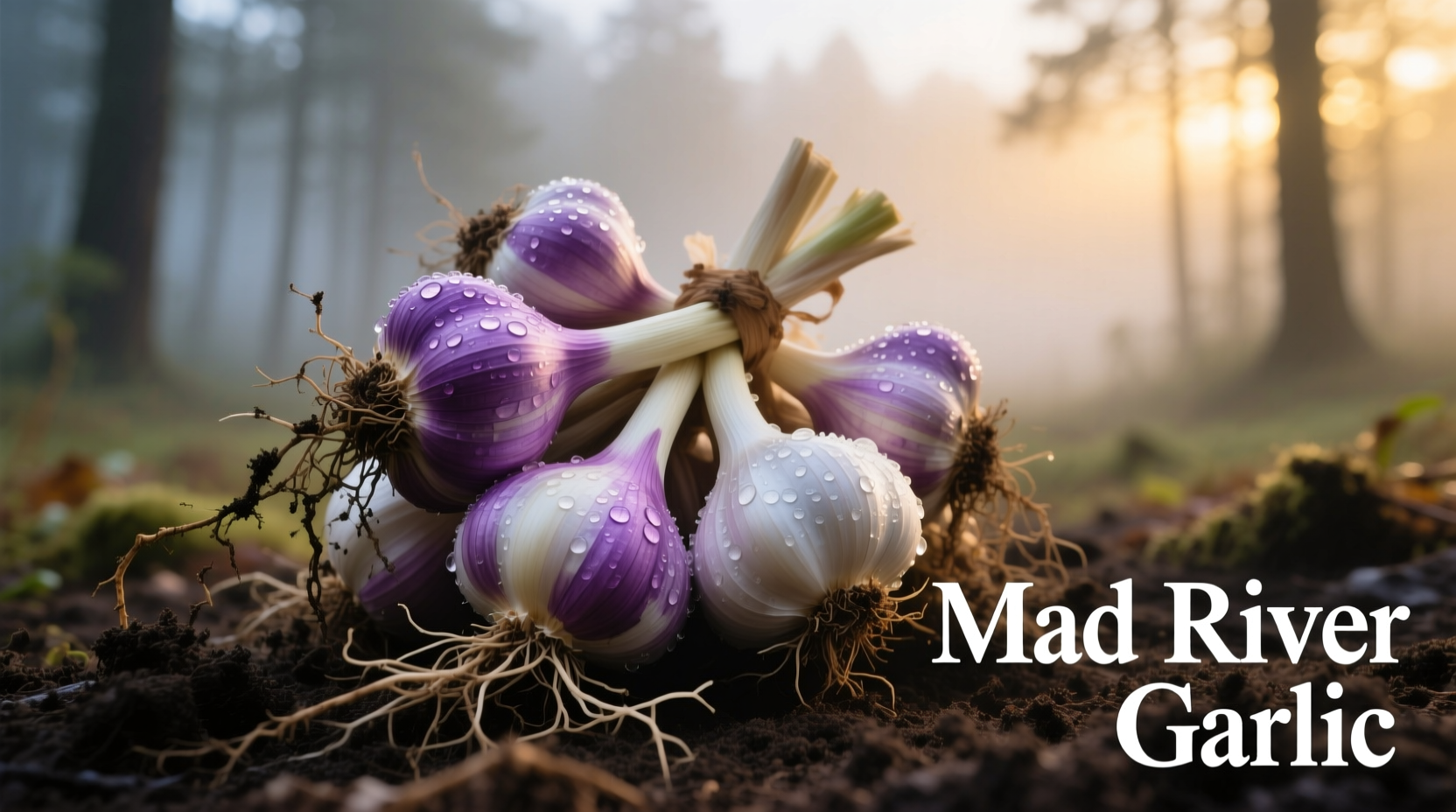
When you hold a bulb of Mad River garlic in your hands, you're experiencing a culinary treasure shaped by Northern California's distinctive terroir. Unlike the generic garlic found in supermarkets, this heirloom variety tells a story of place, cultivation practices, and flavor complexity that transforms ordinary dishes into extraordinary culinary experiences. For home cooks seeking to elevate their cooking with ingredients that have genuine character, understanding Mad River garlic's unique properties opens up new dimensions in flavor creation.
What Makes Mad River Garlic Distinctive
Mad River garlic isn't just another garlic variety—it represents a specific expression of place. Grown primarily in Humboldt County's river valleys, this garlic benefits from the region's cool maritime climate, nutrient-rich alluvial soils, and clean mountain water. These environmental factors combine to create garlic with distinctive characteristics that set it apart from conventional supermarket options.
The Mad River watershed provides ideal growing conditions with its moderate temperatures and consistent moisture levels. Local farmers typically plant cloves in late fall, allowing them to establish roots before winter dormancy. As spring arrives, the garlic benefits from extended daylight hours and the river's natural fog patterns, which protect developing bulbs from temperature extremes. This growing cycle produces garlic with larger cloves that separate easily from the papery skins—a practical advantage many home cooks appreciate.
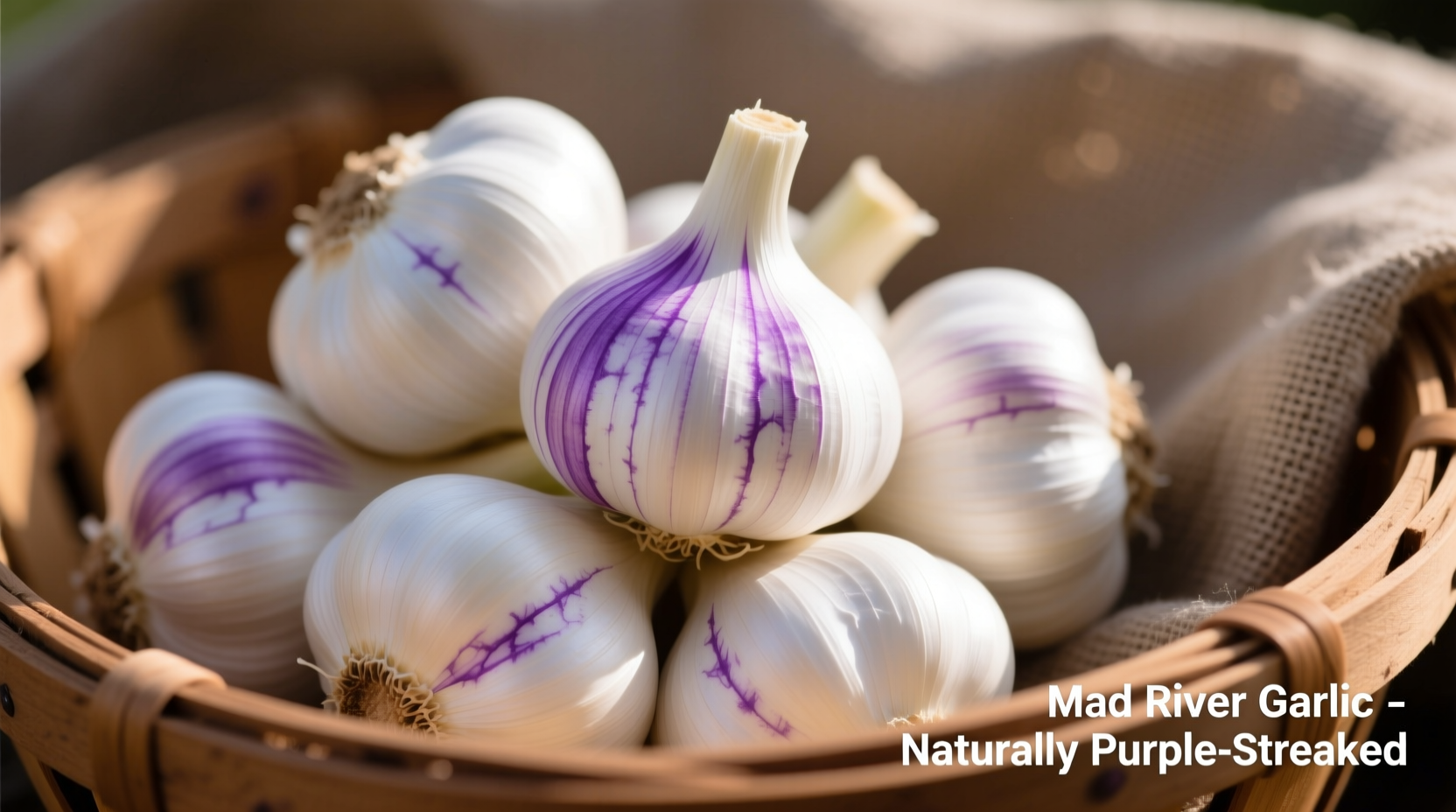
Flavor Profile Comparison: Understanding the Differences
What truly distinguishes Mad River garlic is its complex flavor profile. Unlike the one-dimensional heat of many commercial varieties, this heirloom garlic offers layered tasting notes that evolve during preparation and cooking. Understanding these flavor characteristics helps you make better culinary decisions when selecting ingredients for your dishes.
| Garlic Type | Flavor Characteristics | Heat Level | Best Culinary Uses |
|---|---|---|---|
| Mad River Heirloom | Citrus notes, subtle earthiness, complex sweetness | Moderate (builds gradually) | Raw applications, roasting, sauces, finishing dishes |
| California White | Sharp, straightforward garlic flavor | High (immediate) | Cooking where strong garlic flavor desired |
| Elephant Garlic | Mild, slightly sweet, leek-like | Low | Raw applications where milder flavor preferred |
| Italian Purple | Robust, slightly floral | High (lingering) | Traditional Italian cooking, long-simmered sauces |
According to research from the University of California Cooperative Extension, regional garlic varieties develop distinctive flavor compounds based on soil composition and climate conditions. The volcanic soils along the Mad River contribute specific mineral profiles that influence allicin production—the compound responsible for garlic's characteristic flavor and health benefits. This scientific insight explains why locally grown garlic often delivers more nuanced flavor experiences compared to mass-produced alternatives.
Practical Applications in Your Kitchen
Understanding Mad River garlic's flavor evolution helps you maximize its potential in everyday cooking. Unlike commercial garlic that can become bitter when overheated, this heirloom variety maintains its complex flavor profile through various cooking methods.
Raw Applications
When used raw, Mad River garlic offers a surprising citrus note that complements vinaigrettes and fresh sauces. Try mincing one clove into your next salad dressing for a bright, complex flavor that doesn't overwhelm delicate greens. The University of California's Master Food Preserver program notes that locally grown garlic varieties often contain higher concentrations of beneficial compounds when consumed raw, making them particularly valuable for health-conscious cooking.
Cooking Techniques That Shine
For sautéing, add minced Mad River garlic to warm oil rather than waiting for the oil to smoke hot. This gentle approach preserves its nuanced flavor without developing bitterness. When roasting whole heads, the natural sugars caramelize beautifully, transforming the cloves into a spreadable delicacy perfect for bread or mixing into mashed potatoes.
Professional chefs in Northern California restaurants often use a technique called "garlic oil infusion" with Mad River garlic: gently warming cloves in high-quality olive oil over low heat for 20-30 minutes, then removing the cloves and using the flavored oil as a base for sauces or finishing dishes. This method extracts maximum flavor while avoiding the harshness that can occur with high-heat cooking.
Where to Find and How to Select
Mad River garlic follows a seasonal availability pattern that differs from year-round supermarket varieties. Understanding this cycle helps you source the freshest product:
- Harvest season: Late June through August
- Peak freshness: July to September
- Storage life: 6-8 months when properly stored
- Best purchasing venues: Farmers markets in Humboldt and Mendocino counties, specialty food stores in Northern California
When selecting bulbs, look for firm, heavy specimens with tight, unbroken wrappers. Avoid any with soft spots, green sprouts, or loose cloves. The distinctive characteristic of quality Mad River garlic is its clean, crisp aroma—never musty or fermented. Local growers at the Arcata Farmers Market follow strict quality standards documented by the California Department of Food and Agriculture's Certified Farmers' Market Program, ensuring consumers receive authentic, high-quality product.
Storage and Preservation Methods
Proper storage extends Mad River garlic's shelf life while preserving its distinctive flavor. Unlike supermarket garlic that often comes in plastic containers, this heirloom variety needs proper air circulation:
- Store in a cool, dark place with good air circulation (55-65°F)
- Avoid refrigeration, which can cause sprouting
- Keep away from direct sunlight and moisture
- Store whole bulbs intact until ready to use
For longer preservation, consider these professional techniques:
- Garlic confit: Submerge peeled cloves in olive oil and refrigerate for up to 3 weeks
- Freezing: Chop and freeze in ice cube trays with oil for convenient cooking
- Drying: Create garlic powder from surplus cloves for year-round use
Contextual Considerations for Cooking Success
While Mad River garlic offers exceptional flavor, understanding its limitations ensures culinary success. This variety performs best in dishes where its nuanced flavor can shine, but certain applications may not showcase its advantages:
Ideal applications: Mediterranean dishes, roasted vegetable preparations, aiolis, salad dressings, and finishing dishes where fresh garlic flavor enhances the final presentation. Its moderate heat level makes it particularly suitable for raw applications where conventional garlic might prove too harsh.
Less suitable applications: Recipes requiring extremely long cooking times (8+ hours) where the subtle flavor notes may dissipate, or dishes where intense garlic flavor is the primary characteristic desired. In these cases, more pungent varieties like Italian Purple might serve better.
The California Garlic Advisory Board's culinary research indicates that regional garlic varieties like Mad River perform optimally when used within 3-4 months of harvest, when their distinctive flavor compounds remain most pronounced. This temporal consideration helps explain why seasonal availability matters for experiencing the full potential of this heirloom variety.
Frequently Asked Questions
What makes Mad River garlic different from regular supermarket garlic?
Mad River garlic is an heirloom variety grown in Northern California's unique microclimate, resulting in larger cloves, easier peeling, and a more complex flavor profile with citrus notes and moderate heat. Unlike mass-produced garlic that's often stored for months, Mad River garlic is typically sold closer to harvest, preserving its distinctive flavor compounds and freshness.
Where can I purchase authentic Mad River garlic?
Authentic Mad River garlic is primarily available at farmers markets in Humboldt and Mendocino counties during harvest season (June-August). Some specialty food stores in Northern California carry it, and select online retailers specializing in regional products may offer limited availability. Look for vendors who specify "Mad River Valley" or "Humboldt County" as the origin.
How should I store Mad River garlic to maintain its quality?
Store Mad River garlic in a cool, dark place with good air circulation (55-65°F). Keep whole bulbs intact in a mesh bag or basket—never in plastic containers. Properly stored, it maintains peak quality for 6-8 months. Avoid refrigeration, which can cause premature sprouting, and keep away from direct sunlight and moisture sources.
Can I grow Mad River garlic in my garden?
While you can grow garlic using Mad River seed stock, replicating the exact flavor profile requires the specific soil composition and microclimate of Northern California's river valleys. Gardeners outside this region can still grow quality garlic by selecting appropriate varieties for their climate, amending soil with organic matter, and following proper planting schedules. The University of California Cooperative Extension provides regional growing guides for home gardeners.




 浙公网安备
33010002000092号
浙公网安备
33010002000092号 浙B2-20120091-4