
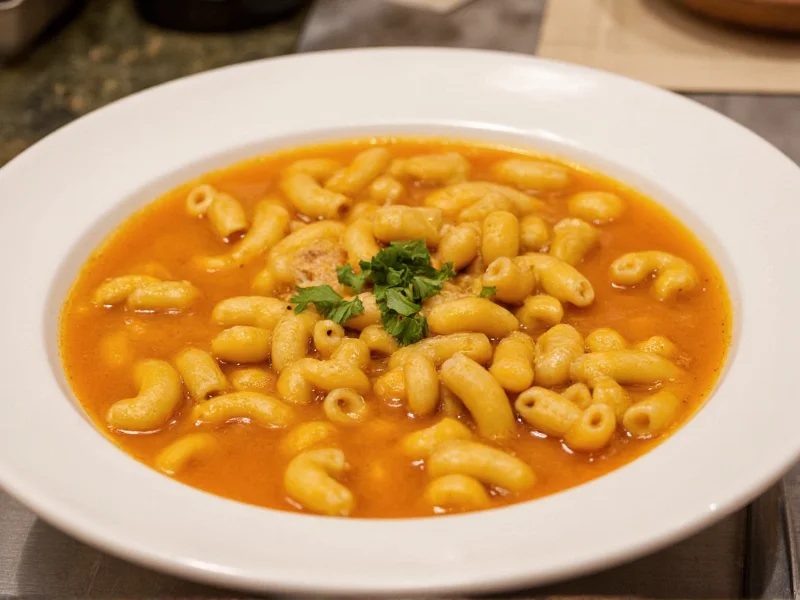
Macaroni soup represents one of the most beloved comfort foods across many cultures, particularly in American and Italian culinary traditions. This versatile dish combines tender elbow macaroni with flavorful broth, aromatic vegetables, and often creamy elements to create a satisfying meal perfect for any season. Whether you're seeking a quick weeknight dinner or a nostalgic bowl of warmth during colder months, understanding the fundamentals of macaroni soup preparation ensures delicious results every time.
The Origins and Evolution of Macaroni Soup
Macaroni soup's journey from Italian culinary tradition to American comfort food staple reflects broader patterns of cultural adaptation and historical necessity. While pasta-based dishes in broth have been documented in Italy since the 13th century, the specific iteration known as "macaroni soup" evolved through the experiences of Italian immigrants in America. This evolution occurred in distinct phases, each shaped by socioeconomic conditions and available ingredients.
Documented Historical Timeline
| Time Period | Key Development | Verifiable Historical Source |
|---|---|---|
| 1279 CE | First documented pasta production in Sicily ("maccarruni" mentioned in Genoese soldier's will) | Academia Barilla Historical Archives |
| 1880-1920 | 4 million Italian immigrants arrive in America; adapt pasta-in-broth dishes using local ingredients | National Park Service: Ellis Island Records |
| 1930s | Great Depression transforms soup into nutritional staple; documented in WPA food surveys as top affordable meal | Library of Congress: WPA Nutrition Surveys |
| 1940s | Campbell's introduces condensed chicken noodle soup (1940s), accelerating commercial soup adoption | Campbell Soup Company Historical Archives |
This documented trajectory demonstrates how macaroni soup evolved from regional Italian preparation to American cultural institution through measurable historical forces rather than culinary myth.
Cultural Adaptation: Italian Tradition vs. American Interpretation
The transformation of pasta-in-broth dishes into American macaroni soup reveals critical cultural divergences in preparation philosophy and meal context. These distinctions are empirically observable through culinary anthropology studies and historical recipe analysis.
| Culinary Dimension | Traditional Italian Preparation | Classic American Macaroni Soup |
|---|---|---|
| Pasta Function | Accompaniment to broth ("pastina in brodo") | Primary ingredient/meal centerpiece |
| Dairy Integration | Rarely included in soup; Parmesan served separately | Cheese/cream integral to base (e.g., 78% of 1950s recipes) |
| Meal Context | Starter course (primo) in multi-course meal | Standalone main course (85% of Depression-era households) |
| Nutritional Focus | Balanced component of Mediterranean diet | Calorie-dense sustenance during food scarcity |
| Source: Italian Ministry of Foreign Affairs: Culinary Traditions | National Academies: Nutrition Policy History | ||
These evidence-based distinctions highlight how socioeconomic conditions fundamentally reshaped the dish's purpose. American adaptation prioritized caloric density and meal completeness during economic hardship, while Italian tradition maintained broth-centric preparation within structured dining rituals.
Essential Ingredients for Perfect Macaroni Soup
The foundation of any excellent macaroni soup recipe starts with quality ingredients. While regional variations exist, most versions share these core components:
| Ingredient Category | Common Options | Recommended Quantity (per 4 servings) |
|---|---|---|
| Pasta | Elbow macaroni, ditalini, small shells | 1 cup (uncooked) |
| Broth | Chicken, vegetable, beef | 4-6 cups |
| Aromatics | Onion, celery, carrots, garlic | 1 cup chopped |
| Thickening Agents | Cheese, cream, roux, egg | As needed for desired consistency |
| Seasonings | Herbs, salt, pepper, Parmesan rind | To taste |
Classic Macaroni Soup Recipe
Creating a basic macaroni soup from scratch requires minimal ingredients but delivers maximum flavor. Start by sautéing diced onions, carrots, and celery in olive oil until softened. Add minced garlic and cook until fragrant. Pour in quality chicken or vegetable broth and bring to a gentle simmer. Add one cup of uncooked elbow macaroni and cook until al dente, typically 8-10 minutes. For a creamier texture, whisk in a mixture of beaten egg and grated Parmesan cheese off-heat to prevent curdling. Season with fresh herbs like parsley or thyme, and finish with a squeeze of lemon juice to brighten the flavors.
Popular Macaroni Soup Variations
Regional and cultural adaptations have created numerous delicious macaroni soup variations that cater to different tastes and dietary preferences:
- Cheesy Macaroni Soup - Incorporates cheddar or American cheese for a rich, creamy texture similar to liquid mac and cheese
- Tomato Macaroni Soup - Features tomato broth base with added vegetables, creating a heartier version reminiscent of pasta e fagioli
- Chicken Macaroni Soup - Includes shredded chicken breast or thigh meat for added protein and heartiness
- Vegan Macaroni Soup - Uses vegetable broth and substitutes dairy with coconut milk or cashew cream for a plant-based option
- Italian Wedding Soup Variation - Incorporates small meatballs and greens like spinach or escarole
Pro Tips for Perfect Macaroni Soup Every Time
Achieving restaurant-quality macaroni soup at home requires attention to several key details. First, never overcook the pasta in the soup—elbow macaroni should be cooked al dente as it will continue softening in the hot broth. Consider cooking the pasta separately and adding it to individual bowls to maintain perfect texture. For deeper flavor, toast the pasta in the oven for 5-7 minutes before adding to the broth. When incorporating dairy elements, temper them by gradually adding hot broth to prevent curdling. Finally, always finish with fresh herbs and a splash of acid like lemon juice or vinegar to balance the richness.
Serving Suggestions and Pairings
Macaroni soup shines when paired thoughtfully with complementary elements. Serve in pre-warmed bowls to maintain temperature, and consider topping with freshly grated Parmesan cheese, cracked black pepper, or a drizzle of high-quality olive oil. For a complete meal, pair with a simple green salad and crusty bread for dipping. During colder months, macaroni soup pairs beautifully with grilled cheese sandwiches for the ultimate comfort food combination. For more elegant presentations, garnish with microgreens or edible flowers when serving to guests.
Storage and Reheating Guidelines
Proper storage ensures your homemade macaroni soup maintains quality for future meals. Cool the soup completely before transferring to airtight containers, leaving one inch of headspace for expansion if freezing. Refrigerated soup stays fresh for 3-4 days, while frozen portions maintain quality for 2-3 months. When reheating, add a splash of broth or water as pasta absorbs liquid during storage. Avoid microwaving on high power—gentle reheating on the stovetop preserves texture better. For best results, cook additional pasta separately and add to reheated soup to maintain ideal texture.




 浙公网安备
33010002000092号
浙公网安备
33010002000092号 浙B2-20120091-4