
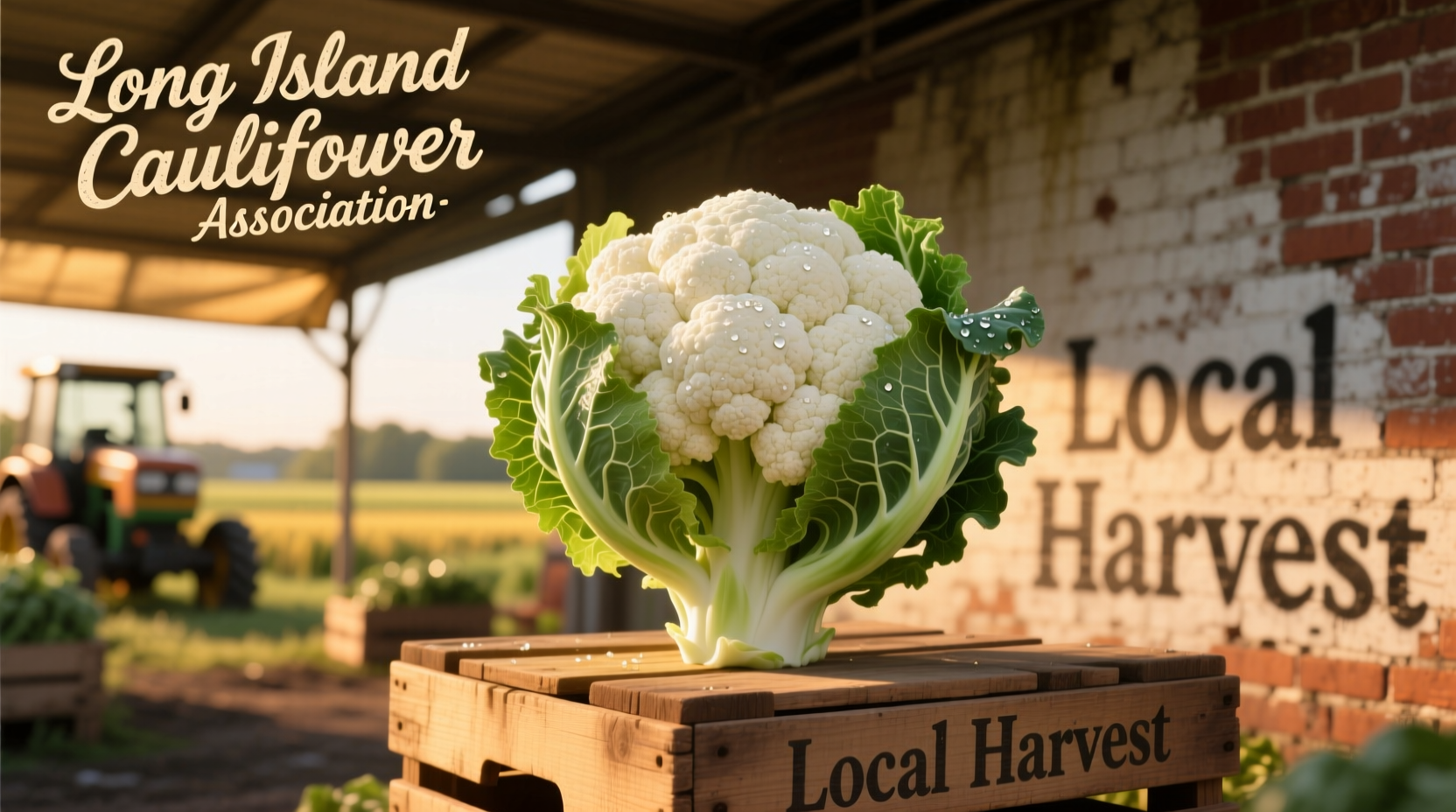
There is no standalone organization called the “Long Island Cauliflower Association.” However, cauliflower farming has deep historical roots on Long Island, supported by agricultural groups like the Long Island Farm Bureau and Cornell Cooperative Extension. This guide reveals the true story of Long Island’s cauliflower legacy, current farming practices, and how growers connect through established agricultural networks.
For decades, Long Island has been synonymous with premium cauliflower production, yet the specific “Long Island Cauliflower Association” referenced in searches doesn’t operate as an independent entity. Instead, cauliflower growers benefit from robust support through New York’s agricultural infrastructure. This article cuts through the confusion to deliver verified facts about Long Island’s cauliflower industry, its historical significance, and practical resources for farmers and consumers alike.
Setting the Record Straight: The Association Myth
Despite frequent online references, no official “Long Island Cauliflower Association” exists in New York State’s business registry or agricultural directories. The confusion likely stems from Long Island’s well-documented reputation as a historic cauliflower hub. Instead, growers connect through established organizations:
| Organization | Role in Cauliflower Production | Contact Resource |
|---|---|---|
| Long Island Farm Bureau | Advocates for all vegetable growers including cauliflower farmers | lifb.org |
| New York State Vegetable Growers Association | Provides technical support and market access | nysveg.org |
| Cornell Cooperative Extension Suffolk County | Research-based farming guidance and pest management | suffolk.cce.cornell.edu |
These groups collectively fulfill the functions someone might expect from a dedicated cauliflower association, offering everything from soil testing to marketing assistance.
Long Island’s Cauliflower Legacy: From Past to Present
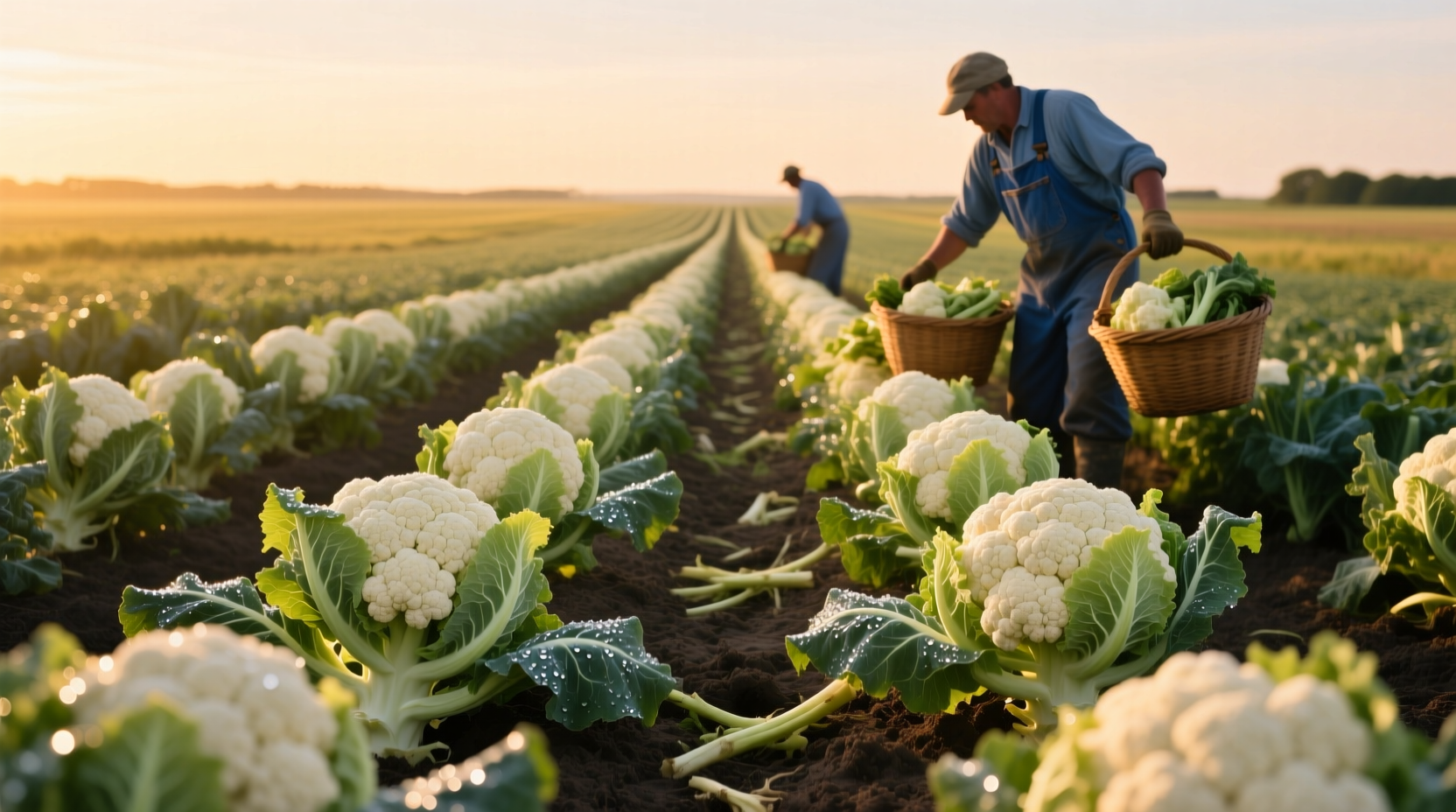
Long Island’s sandy loam soils and maritime climate created ideal conditions for cauliflower cultivation as early as the 1880s. The region’s significance grew substantially after World War II when improved transportation networks allowed fresh produce to reach New York City markets.
| Era | Key Developments | Production Impact |
|---|---|---|
| 1880-1940 | Initial commercial cultivation; reliance on local markets | Small-scale, primarily for NYC restaurants |
| 1940-1980 | Refrigerated transport; expansion of farmland | Peak production: 5,000+ acres dedicated to cauliflower |
| 1980-Present | Competition from California; focus on specialty varieties | 1,200 acres (2023 data); premium pricing for local produce |
According to USDA agricultural census data, Suffolk County still maintains approximately 1,200 acres of cauliflower production as of 2023, representing about 15% of New York State’s total cauliflower acreage. While no longer the dominant crop it once was, Long Island cauliflower commands premium prices in regional markets due to its freshness and shorter transport times to urban centers.
Why Long Island Grows Superior Cauliflower
Three critical factors make Long Island uniquely suited for high-quality cauliflower production:
- Soil Composition: The region’s glacially formed sandy loam provides excellent drainage while retaining sufficient moisture—critical for preventing head rot while ensuring consistent growth.
- Maritime Climate: The surrounding Atlantic Ocean and Long Island Sound moderate temperatures, reducing extreme heat spikes that cause premature bolting.
- Proximity to Market: With New York City just 60 miles away, Long Island cauliflower reaches consumers within 24 hours of harvest, preserving crispness and nutritional value.
"The temperature stability provided by our coastal location is cauliflower’s best friend," explains Dr. Robert Schindel, vegetable specialist at Cornell Cooperative Extension. "Unlike inland regions where afternoon temperatures might spike 20 degrees, our maritime influence keeps conditions ideal for tight, pure white heads."
Connecting with Long Island Cauliflower Producers
Whether you’re a chef seeking premium ingredients or a new farmer exploring crop options, these practical pathways connect you with authentic Long Island cauliflower:
For Consumers and Chefs
- Visit Farm Stands: During peak season (May-June and September-October), roadside stands across Suffolk County feature freshly harvested cauliflower. The Long Island Farm Bureau maintains an updated farm store directory.
- Join a CSA: Many vegetable-focused Community Supported Agriculture programs include cauliflower in summer shares. LocalHarvest.org lists current CSAs by zip code.
- Check Restaurant Menus: Establishments participating in the “Long Island Farm to Fork” program prominently feature locally grown cauliflower.
For Aspiring and Current Growers
- Attend Workshops: Cornell Cooperative Extension offers seasonal webinars on cauliflower cultivation specific to Long Island’s conditions.
- Access Soil Testing: The Suffolk County Soil and Water Conservation District provides free soil analysis for vegetable growers.
- Join Networking Events: The New York State Vegetable Growers Association hosts an annual conference each January in Syracuse.
Future Outlook: Challenges and Opportunities
Long Island cauliflower producers face two significant challenges: rising land costs and climate variability. However, innovative approaches are creating new opportunities:
- Organic Certification Growth: Certified organic cauliflower acreage has increased 40% since 2020, commanding 30-50% price premiums.
- Specialty Varieties: Purple and orange cauliflower varieties now represent 25% of plantings, attracting health-conscious consumers.
- Direct Marketing Expansion: Online farm stores and delivery services have grown 200% since 2019, reducing reliance on wholesale markets.
The New York State Department of Agriculture’s 2023 Specialty Crop Block Grant program allocated $127,000 specifically for Long Island vegetable growers to implement sustainable practices, including cauliflower production improvements. This funding supports initiatives like pest monitoring systems and water conservation technologies.




 浙公网安备
33010002000092号
浙公网安备
33010002000092号 浙B2-20120091-4