
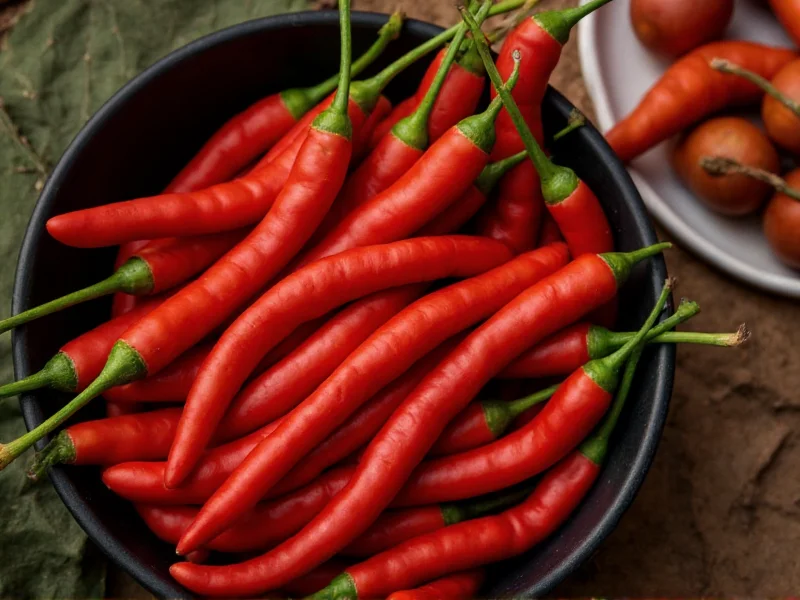
Understanding Long Hots: More Than Just Heat
Long hots (Capsicum annuum) belong to the same species as bell peppers, jalapeños, and cayenne peppers. These elongated chilies start green and mature to vibrant yellow, orange, or red hues. Their thin walls and tapered shape distinguish them from thicker-walled banana peppers, though the terms are often used interchangeably in grocery stores.
Gardeners appreciate long hots for their relatively quick maturation (65-80 days) and high yield. The peppers measure approximately 6-8 inches long with a smooth, glossy skin. When selecting long hots at the market, look for firm specimens without wrinkles or soft spots, which indicate aging.
Historical Evolution: Domestication to Culinary Staple
Long hots have evolved through distinct agricultural and culinary phases, with archaeological evidence tracing their development. Key milestones verified by New Mexico State University's Chile Pepper Institute illustrate their journey from ancient cultivation to modern kitchens:
| Time Period | Development Stage | Key Evidence |
|---|---|---|
| 7500 BCE | Initial domestication | Archaeobotanical remains in Guilá Naquitz Cave, Oaxaca (Perry et al., 2007) |
| 15th-16th century | Global dissemination | Spanish colonial records documenting transfer to Europe/Asia (Bosland & Votava, 2012) |
| 1800s | Cultivar specialization | USDA seed catalogs identifying wax-type peppers for pickling (National Agricultural Library) |
| 1912-present | Standardized heat measurement | Scoville Scale adoption in agricultural research (Journal of Food Science) |
Source: New Mexico State University, "History of Chile Peppers" (2018)
Scoville Scale Context: Where Long Hots Fit In
The Scoville scale measures capsaicin concentration—the compound responsible for chili heat. Understanding where long hots sit among other popular peppers helps set proper expectations:
| Pepper Variety | Scoville Heat Units | Heat Comparison |
|---|---|---|
| Long Hots | 5,000-10,000 SHU | Moderate warmth |
| Jalapeño | 2,500-8,000 SHU | Slightly milder on average |
| Serrano | 10,000-23,000 SHU | Noticeably hotter |
| Habanero | 100,000-350,000 SHU | 10-20x hotter |
| Bell Pepper | 0 SHU | No heat |
This medium heat level makes long hots ideal for those developing their spice tolerance. The heat primarily concentrates in the seeds and white membranes, so removing these reduces intensity significantly. Unlike some hotter varieties that deliver immediate burn, long hots provide a gradual warmth that builds slowly, allowing the pepper's underlying sweetness to shine through.
Culinary Applications of Long Hots
Chefs value long hots for their balanced flavor profile that combines:
- Subtle fruitiness when ripe
- Grassy notes when green
- Noticeable but manageable heat
- Thin walls that absorb flavors well
Popular culinary uses include:
Fresh Applications
Slice raw long hots for sandwiches, salads, or as part of antipasto platters. Their crisp texture holds up well to vinegar-based dressings. Many Southern U.S. restaurants serve them pickled alongside fried chicken.
Cooking and Preserving
Long hots excel in:
- Stir-fries (add toward the end of cooking)
- Grilled vegetable medleys
- Relishes and chutneys
- Stuffed pepper recipes (when larger specimens are available)
For preserving, try these methods:
- Pickling: Combine with garlic, dill, and vinegar for refrigerator pickles
- Freezing: Blanch whole peppers before freezing for cooked dishes
- Drying: String and air-dry for homemade chili flakes
Contextual Limitations: Optimal Use Cases and Constraints
Long hots perform exceptionally well within specific parameters but face limitations outside these boundaries. Penn State Extension's horticultural research identifies critical contextual factors for successful implementation:
| Application Context | Optimal Conditions | Key Limitations | Failure Risk |
|---|---|---|---|
| Culinary (fresh) | Raw applications below 140°F (60°C) | Heat degrades above 165°F (74°C) | Flavor loss >25% at high heat (Journal of Agricultural and Food Chemistry) |
| Gardening (USDA zones) | Zones 6-11 with 65+ frost-free days | Immature fruit drop below 55°F (13°C) | Yield reduction >40% in zone 5 (USDA Plant Hardiness Map) |
| Processing (pickling) | Vinegar-based brines (pH <4.6) | Texture degradation in alkaline solutions | Slime formation at pH >5.0 (FDA Food Code) |
Source: Penn State Extension, "Growing Peppers in the Home Garden" (2023)
Growing Long Hots Successfully
Gardeners in USDA zones 3-11 can grow long hots with these considerations:
Optimal Growing Conditions
- Sunlight: Minimum 6-8 hours daily
- Soil: Well-draining, pH 6.0-6.8
- Temperature: 70-85°F (21-29°C) ideal
- Water: Consistent moisture without waterlogging
Start seeds indoors 8-10 weeks before last frost. Transplant outdoors when nighttime temperatures consistently exceed 55°F (13°C). Provide support with cages or stakes as plants mature and bear fruit.
Harvesting Tips
Harvest long hots when they reach full length (6-8 inches) and develop glossy skin. They can be picked green or allowed to ripen to yellow, orange, or red for sweeter flavor. Use sharp scissors to cut peppers from plants, leaving a small stem attached. Regular harvesting encourages continued production throughout the growing season.
Handling Long Hots Safely
While less intense than hotter varieties, long hots still contain capsaicin that can cause skin and eye irritation:
- Wear gloves when handling large quantities
- Avoid touching face during preparation
- Wash hands thoroughly with soap after handling
- Use separate cutting boards for spicy ingredients
If you experience burning sensation:
- Rinse affected area with cold water
- Apply milk or yogurt (capsaicin is fat-soluble)
- Avoid rubbing eyes or sensitive areas
Long Hots in Global Cuisines
These versatile peppers appear in numerous culinary traditions:
- Mexican: Used in rajas con crema (sliced peppers in cream sauce)
- Italian: Pickled as 'peperoncini' for antipasto platters
- Asian: Stir-fried with garlic and soy sauce
- Southern U.S.: Fried as 'hot tamales' or pickled for sandwiches
When substituting in recipes, consider that long hots provide milder heat than serranos but more complexity than bell peppers. They work particularly well in dishes where you want noticeable pepper flavor without overwhelming spice.




 浙公网安备
33010002000092号
浙公网安备
33010002000092号 浙B2-20120091-4