
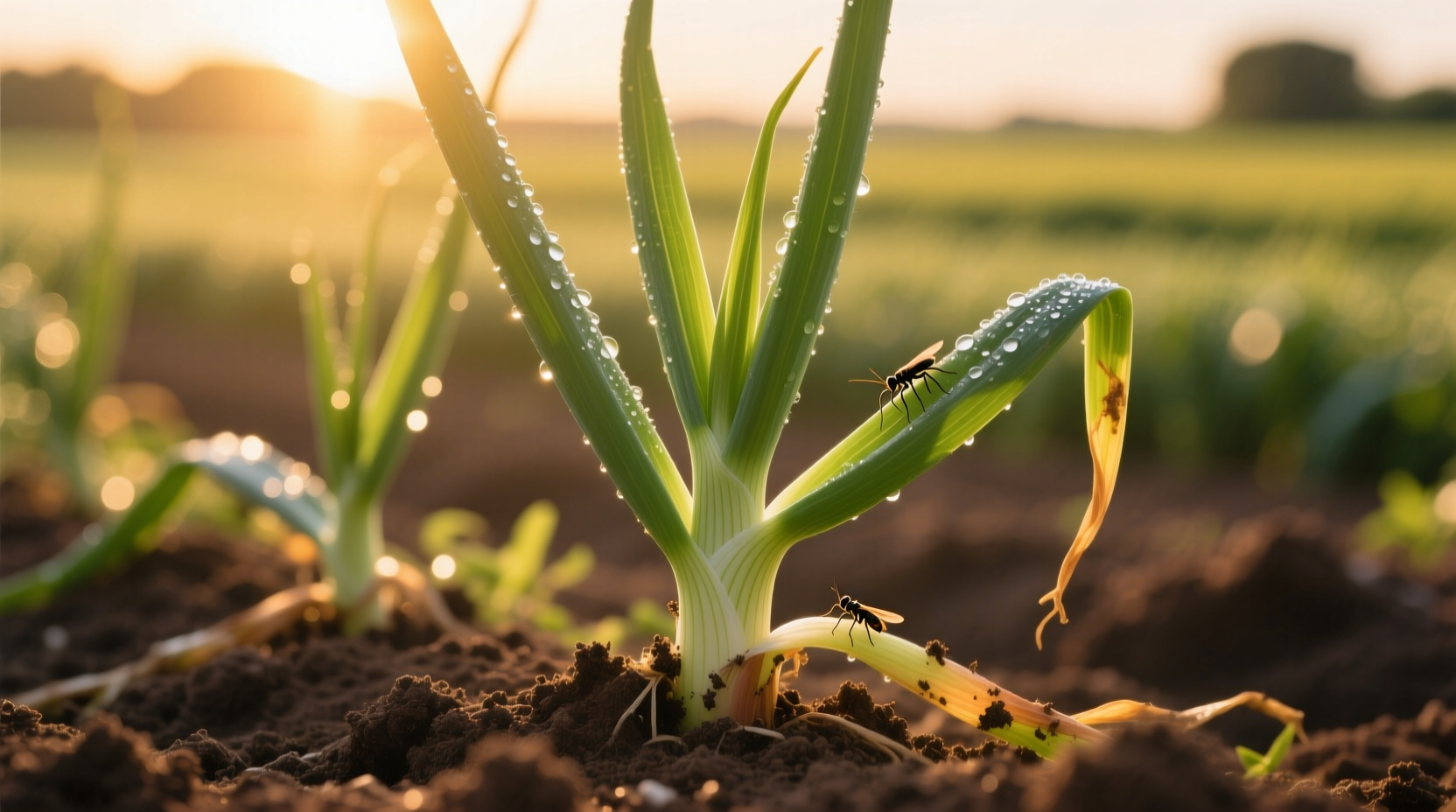
Why Day Length Matters for Onion Growth
Understanding photoperiodism—the plant's response to day length—is crucial for successful onion cultivation. Long day onions initiate bulb formation when daylight reaches 14-16 hours, making them ideal for northern regions where summer days are longest. This biological mechanism, documented by the USDA Agricultural Research Service, explains why planting the wrong type in your region leads to poor yields.
Unlike short day onions (which form bulbs with 10-12 hours of daylight and suit southern regions), long day varieties remain in vegetative growth until sufficient daylight triggers bulb development. Planting long day onions too late in the season means they won't receive enough long days to mature properly before daylight decreases.
| Onion Type | Daylight Requirement | Best Planting Regions | Planting Time |
|---|---|---|---|
| Long Day | 14-16 hours | Northern US, Canada (above 36°N) | Early spring |
| Intermediate Day | 12-14 hours | Mid-latitudes (32°-36°N) | Late winter/early spring |
| Short Day | 10-12 hours | Southern US (below 32°N) | Fall |
Optimal Planting Timeline for Long Day Onions
Timing is everything with long day onion plants. The University of Minnesota Extension recommends following this progression for best results:
- 4-6 weeks before last frost: Start seeds indoors at 65-75°F soil temperature
- Last frost date: Transplant seedlings or plant sets outdoors
- Early June: Onions enter bulbing phase as days lengthen
- July-August: Tops fall over naturally when bulbs mature
- 2-3 weeks after tops fall: Harvest when necks are dry and papery
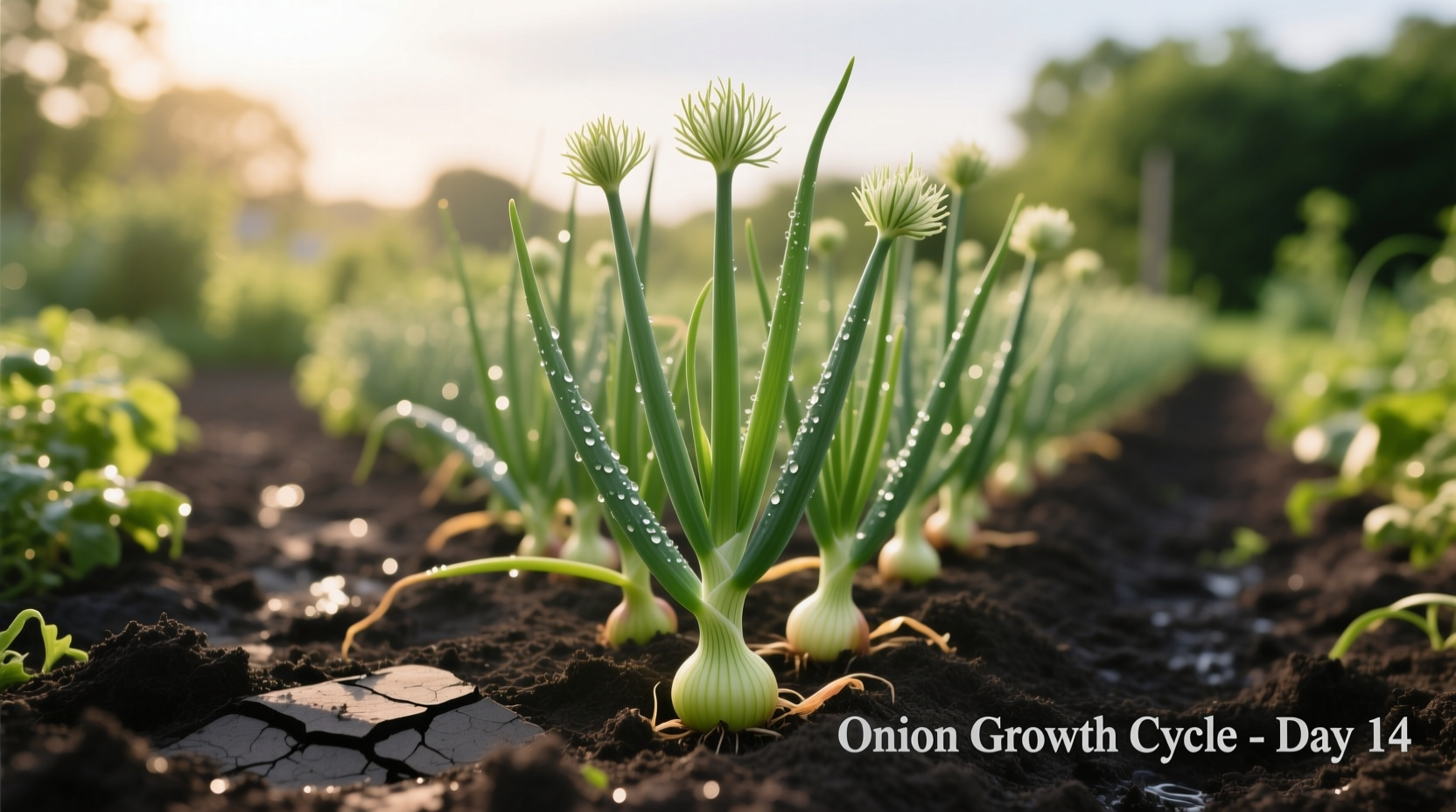
Top Long Day Onion Varieties for Northern Gardens
Choosing the right variety makes all the difference. Based on trials conducted by USDA Agricultural Research Service, these varieties consistently perform well in northern climates:
- Walla Walla Sweet: Large, mild-flavored bulbs ready in 100 days; requires consistent moisture
- Yellow Sweet Spanish: Classic storage onion with excellent flavor development over 110 days
- Red Zeppelin: Vibrant purple skin with sweet interior; matures in 95 days
- Exhibition: Giant yellow onions perfect for shows; needs 120 days to reach full size
- Stuttgarter: Reliable German heirloom with good storage capability (105 days)
Critical Growing Conditions for Success
Long day onion plants have specific requirements that differ from other onion types. Understanding these context boundaries prevents common cultivation mistakes:
- Soil requirements: Well-draining, loose soil with pH 6.0-6.8; heavy clay soils cause misshapen bulbs
- Fertilization needs: High nitrogen early, then switch to phosphorus/potassium during bulbing phase
- Water management: Consistent moisture (1"/week) until bulbing begins, then reduce watering
- Cold tolerance: Can withstand light frosts but not prolonged freezing temperatures
Crucially, long day onions won't bulb properly if planted too far south. The Oregon State University Extension confirms that attempting to grow long day varieties below 36°N latitude typically results in small bulbs or bolting (premature flowering).
Common Challenges and Solutions
Even with proper variety selection, gardeners face specific issues with long day onion plants:
- Bolting: Caused by temperature fluctuations; select bolt-resistant varieties like 'Copra'
- Thrips damage: Look for silvery streaks on leaves; use insecticidal soap early in infestation
- Pink root: Fungal disease causing stunted growth; rotate crops and improve drainage
- Double centers: Result from inconsistent watering; maintain even soil moisture
Harvesting and Storage Best Practices
Proper harvesting determines storage longevity. When onion tops naturally fall over (typically late July to August in northern regions), follow these steps:
- Cure bulbs in a dry, shaded area with good airflow for 2-3 weeks
- Trim roots to 1" and tops to 1" after curing completes
- Store in mesh bags at 32-40°F with 65-70% humidity
- Check monthly for spoilage; proper storage yields 6-8 months
Unlike short day varieties that typically store for 2-3 months, properly cured long day onions like 'Copra' or 'Stuttgarter' can last through winter when stored correctly, according to research from Penn State Extension.
Frequently Asked Questions
Can I grow long day onions in containers?
Yes, but use containers at least 12" deep with excellent drainage. Choose compact varieties like 'Redwing' and ensure consistent watering, as container soil dries faster. Container-grown long day onions require more frequent feeding with balanced fertilizer.
Why are my long day onions not forming bulbs?
This typically happens when planted too late in the season. Long day onions need sufficient long days (14+ hours) to trigger bulb formation. If planted after the spring equinox in northern regions, they may not receive enough long days before daylight decreases. Plant seeds 4-6 weeks before last frost for proper timing.
How do I prevent my long day onions from bolting?
Bolting occurs when plants experience cold temperatures followed by warming. Start seeds indoors to avoid early cold exposure, and use row covers after transplanting if frost threatens. Choose bolt-resistant varieties like 'Copra' or 'Red Zeppelin' for more reliable results in variable spring conditions.
What's the difference between long day onions and storage onions?
All long day onions are storage onions, but not all storage onions are long day varieties. Long day refers to the photoperiod requirement (14-16 hours of daylight), while storage onions have thick, dry skins and low water content. Short day onions like 'Texas Grano' are sweet but don't store well, while long day varieties like 'Stuttgarter' develop proper storage characteristics when grown in suitable northern climates.
Can I plant long day onions in the fall for spring harvest?
No, long day onions require spring planting for summer harvest. Fall planting would expose them to shortening days that prevent proper bulb formation. For fall/winter harvest, plant short day varieties in southern regions during September-October. Long day varieties need the increasing daylight of spring to trigger their growth cycle.




 浙公网安备
33010002000092号
浙公网安备
33010002000092号 浙B2-20120091-4