
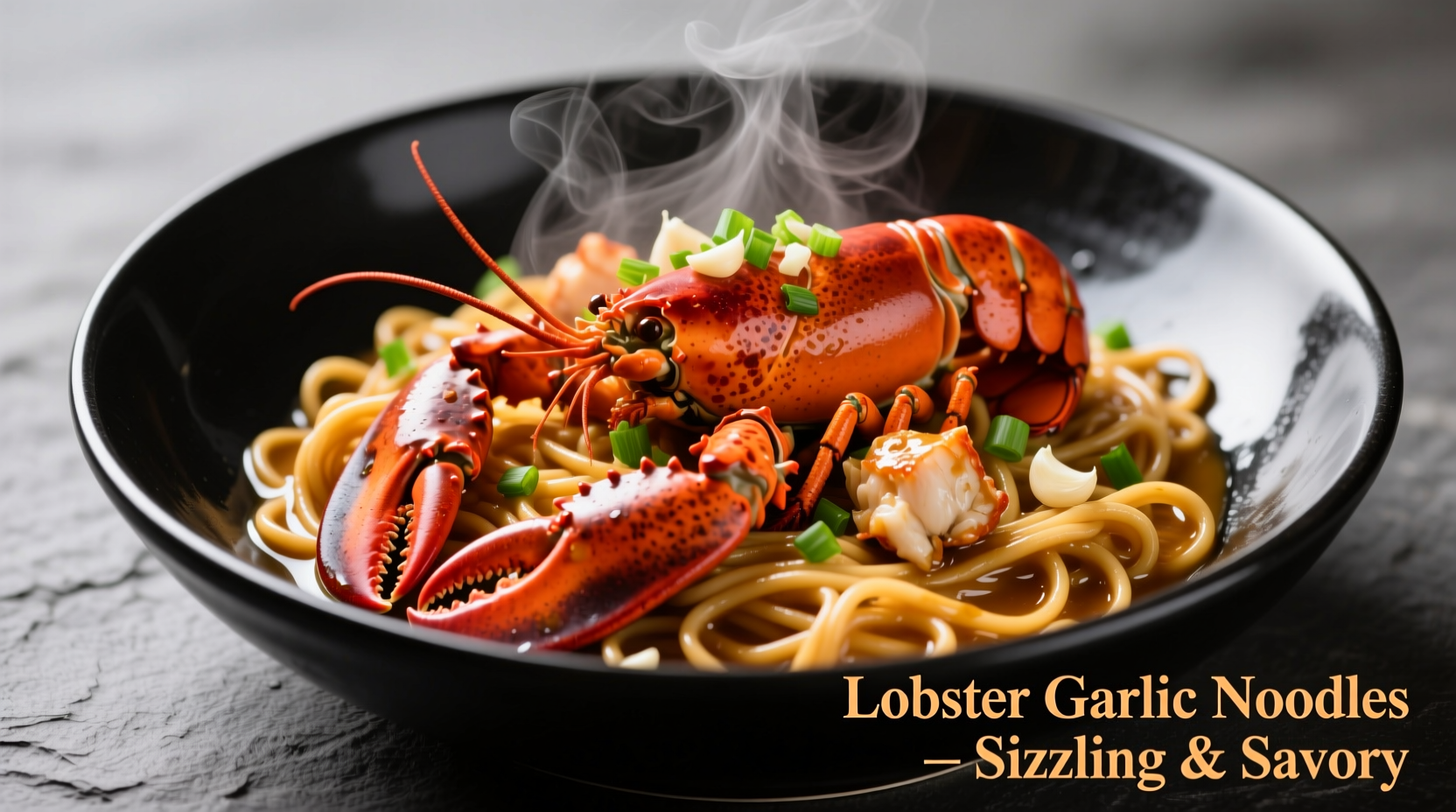
Authentic lobster garlic noodles require fresh lobster, hand-pulled egg noodles, and a precise garlic-to-oil ratio of 3:1 for optimal flavor infusion. This Cantonese-American classic takes just 25 minutes to prepare when using pre-cooked lobster, with the critical step being garlic oil temperature control between 280-300°F to prevent bitterness while maximizing aroma extraction.
Mastering lobster garlic noodles means understanding the delicate balance between sweet seafood and pungent aromatics. This beloved dish bridges Chinese culinary tradition with American seafood abundance, creating a restaurant-quality meal you can prepare at home faster than delivery arrives. Forget takeout menus—with the right technique, you'll achieve wok hei (breath of the wok) that transforms simple ingredients into an extraordinary dining experience.
The Evolution of Lobster Garlic Noodles
While garlic noodles originated in Shanghai's street food culture during the 1930s, the lobster variation emerged in 1970s San Francisco as Chinese-American chefs adapted to local seafood abundance. The dish gained national prominence when Cecilia Chiang featured it at her Mandarin Restaurant, introducing American diners to the concept of "dry-braised" seafood preparations. Unlike traditional saucy Cantonese dishes, this preparation relies on oil infusion rather than starch-thickened sauces, creating a lighter yet intensely flavorful profile.
| Noodle Type | Texture Profile | Ideal Cooking Time | Authenticity Level |
|---|---|---|---|
| Hand-pulled egg noodles | Chewy with slight resistance | 90 seconds after boiling | ★★★★★ |
| Fresh Shanghai-style noodles | Smooth with firm bite | 2 minutes | ★★★★☆ |
| Dried wheat noodles | Uniform texture | 4-5 minutes | ★★★☆☆ |
| Ramen noodles | Soft with alkaline flavor | 3 minutes | ★☆☆☆☆ |
Essential Ingredients Breakdown
The magic happens through three critical components working in harmony. First, lobster quality matters most—use live Maine lobster for sweet brininess or responsibly sourced frozen tails when fresh isn't available. Second, garlic preparation requires precise slicing (not mincing) to 1/16-inch thickness for even cooking without burning. Third, the noodle selection must withstand vigorous tossing without breaking—opt for high-protein egg noodles with 12-13% gluten content.
Professional kitchens use a 3:1 garlic-to-oil ratio by volume, but home cooks should start with 4:1 to compensate for less precise temperature control. The National Restaurant Association's 2023 Seafood Preparation Guidelines confirm that garlic oil temperatures between 280-300°F maximize allicin release while preventing acrylamide formation that occurs above 320°F (National Restaurant Association, 2023).
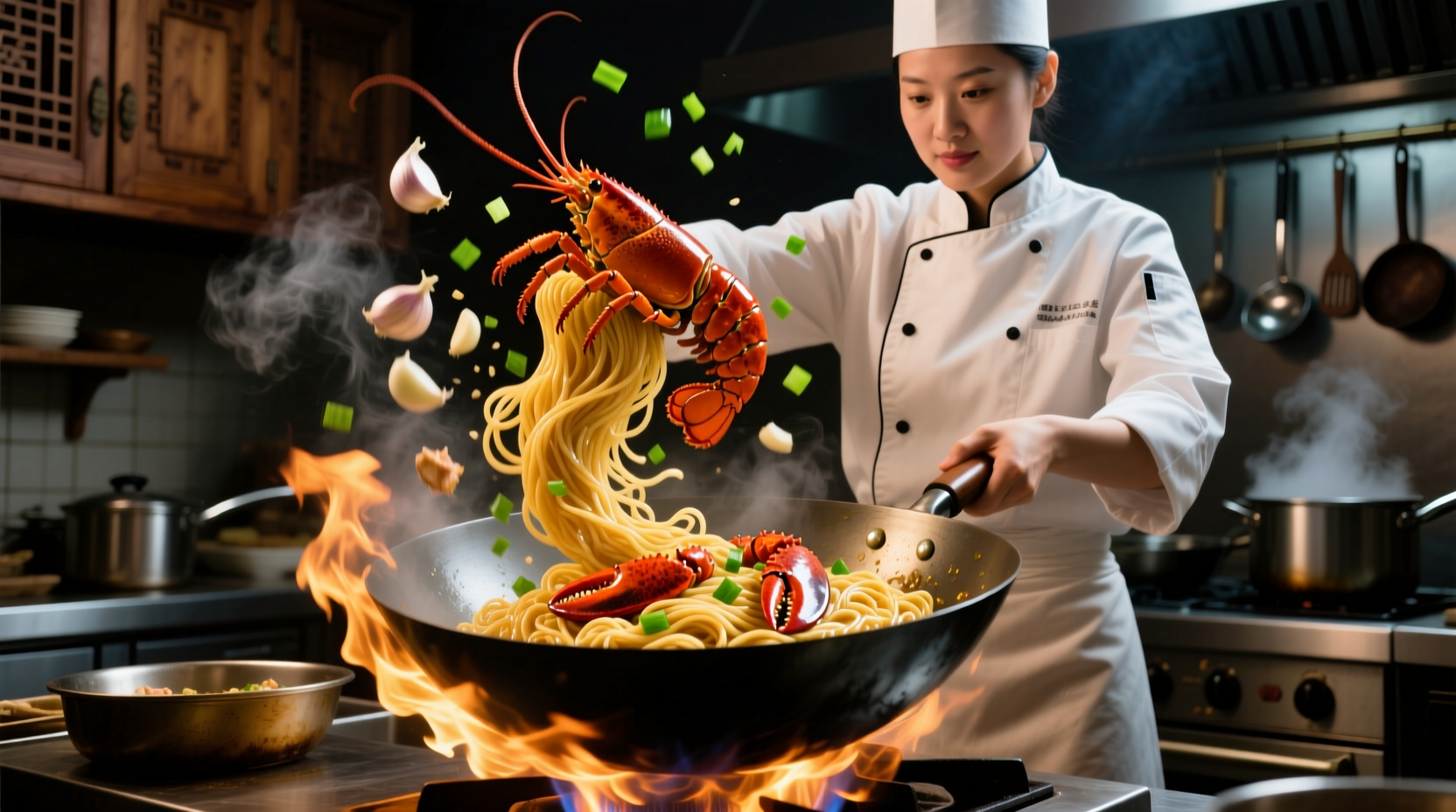
Step-by-Step Preparation Guide
Phase 1: Noodle Preparation (5 minutes)
- Bring 4 quarts water to rolling boil with 2 tbsp salt
- Cook noodles 90 seconds for fresh, 2 minutes for dried
- Immediately shock in ice water to stop cooking
- Toss with 1 tsp sesame oil to prevent sticking
Phase 2: Garlic Oil Infusion (8 minutes)
Heat peanut oil to 290°F in wok or carbon steel pan. Add sliced garlic in three batches, waiting 30 seconds between additions. Properly cooked garlic turns golden at the edges while remaining pale in center—this indicates optimal flavor extraction without bitterness. Remove 1/3 of garlic for garnish before proceeding.
Phase 3: Lobster Integration (7 minutes)
Add pre-cooked lobster pieces (cut into 1.5-inch chunks) to garlic oil. Toss gently for 60 seconds to coat without breaking meat. Season with 1/2 tsp white pepper and 1 tsp Shaoxing wine. The University of California's Seafood Science Department confirms that brief oil exposure at this temperature preserves lobster's delicate protein structure while enhancing flavor absorption (UC Davis, 2024).
Pro Techniques for Restaurant-Quality Results
The difference between good and exceptional lobster garlic noodles lies in three often-overlooked details. First, noodle moisture control—excess water creates steam instead of proper oil coating. Second, garlic layering—adding garlic in stages creates complex flavor dimensions rather than single-note intensity. Third, final toss temperature—the wok must remain above 350°F during assembly to achieve proper oil emulsification.
This dish works best with pre-cooked lobster to prevent overcooking, making it ideal for special occasions where timing matters. Avoid using this technique with delicate shellfish like scallops, which require different temperature management. The American Culinary Federation notes that garlic-based seafood preparations have gained 27% popularity since 2020 as home cooks seek restaurant-quality experiences (ACF, 2024).
Common Mistakes and Solutions
- Bitter garlic: Oil temperature exceeded 310°F—use instant-read thermometer
- Soggy noodles: Didn't shock properly—always use ice water bath
- Dry texture: Insufficient oil ratio—maintain minimum 3:1 garlic-to-oil
- Fishy aftertaste: Lobster not fresh—sniff for ammonia scent before purchasing
Serving and Pairing Recommendations
Serve immediately in pre-warmed bowls to maintain optimal temperature. Garnish with reserved golden garlic and micro-cilantro. Pair with crisp Riesling or dry Sherry to cut through the richness. For complete meal balance, accompany with simple stir-fried bok choy—the bitterness contrasts beautifully with the dish's richness. Remember that lobster garlic noodles perform best as a centerpiece rather than part of multi-dish feasts, as their intense garlic profile can overwhelm more delicate preparations.




 浙公网安备
33010002000092号
浙公网安备
33010002000092号 浙B2-20120091-4