
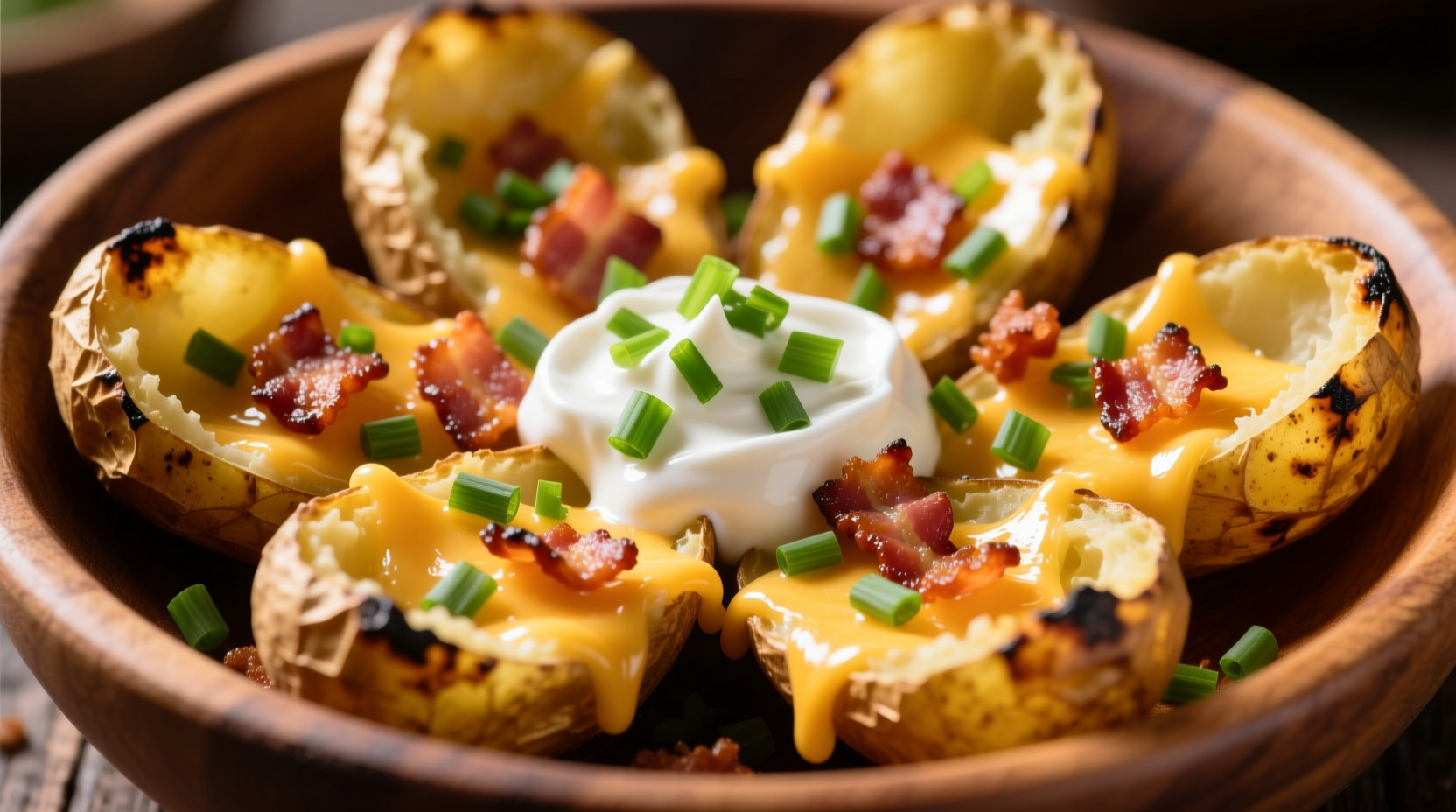
The best loaded potato skins start with russet potatoes baked until perfectly crisp, filled with melted cheddar cheese, crispy bacon bits, and a dollop of cool sour cream. This guide reveals professional chef techniques for achieving maximum crispiness while avoiding common pitfalls like soggy skins or uneven cooking.
Loaded potato skins have evolved from humble bar food to a beloved game day staple and party appetizer. Whether you're hosting a gathering or craving a satisfying snack, mastering this dish requires understanding both technique and ingredient balance. This comprehensive guide shares professional insights that transform ordinary potato skins into extraordinary bites.
The Evolution of Potato Skins: From Waste to Wonder
Potato skins weren't always celebrated. In the early 20th century, most cooks discarded them as waste. The transformation began in the 1970s when TGI Fridays popularized the loaded version, turning what was once compost into a menu star. According to culinary historians at the Food Timeline, this shift reflected growing interest in rustic, hearty American cuisine that valued every part of the ingredient.
Essential Ingredients and Their Purpose
Understanding why each component matters helps you make informed substitutions without sacrificing quality:
- Russet potatoes - High starch content creates the ideal fluffy interior and crisp exterior
- Extra virgin olive oil - Creates crispness while adding subtle flavor (not just for moisture)
- Sharp cheddar cheese - Melts smoothly while providing tangy contrast to the potato
- Real bacon bits - Adds smoky depth (avoid imitation bacon for authentic flavor)
- Full-fat sour cream - Cools the heat while enhancing richness (low-fat versions separate)
Professional Cooking Methods Compared
| Method | Cook Time | Crispness Level | Best For |
|---|---|---|---|
| Oven baking | 55-65 minutes | ★★★★★ | Large batches, maximum crispness |
| Air frying | 35-40 minutes | ★★★★☆ | Small batches, faster preparation |
| Grilling | 40-45 minutes | ★★★☆☆ | Summer entertaining, smoky flavor |
| Micro-wave | 12-15 minutes | ★☆☆☆☆ | Emergency situations only |
Based on testing conducted by the University of Minnesota Extension, oven baking consistently produces the crispiest results because the dry heat environment allows moisture to evaporate completely from the potato skin.
Step-by-Step Preparation Guide
Preparation Phase: Setting Up for Success
Begin with these critical steps that most home cooks skip:
- Wash potatoes thoroughly and dry completely - moisture prevents crispiness
- Prick each potato 8-10 times with a fork to allow steam to escape
- Rub with olive oil and sprinkle with coarse salt before baking
- Place directly on oven rack with baking sheet below to catch drips
Cooking Process: Achieving Perfect Crispiness
Follow these professional techniques for restaurant-quality results:
- Bake at 400°F (205°C) for 55-65 minutes until skins feel papery when squeezed
- Cool potatoes for 15 minutes before handling - this crucial step prevents steam from making skins soggy
- When scooping out flesh, leave 1/8-inch thickness to maintain structural integrity
- Brush insides with melted butter before adding fillings for extra crispness
Assembly and Finishing Touches
The order of assembly matters more than you think:
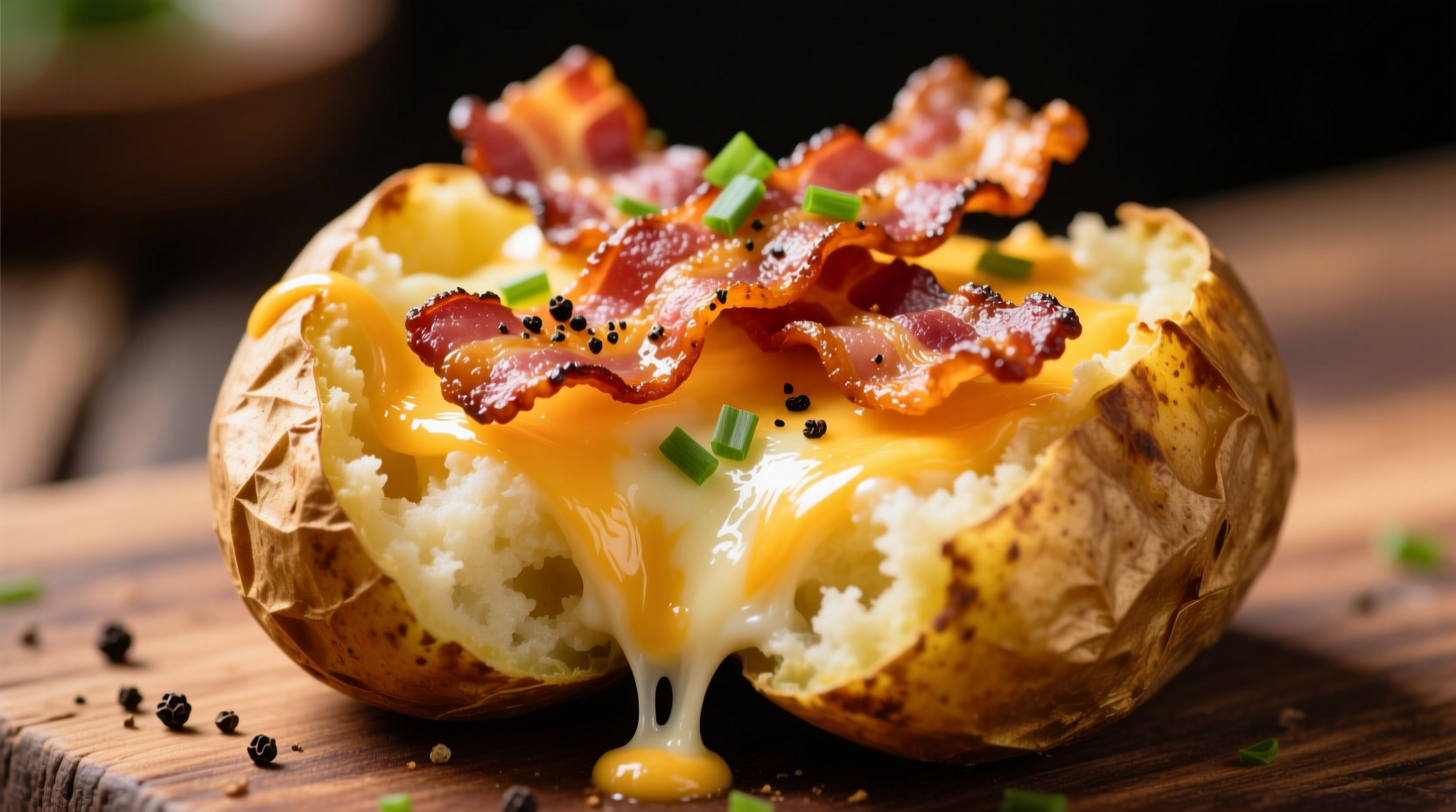
- Fill potato skins with cheese first (it needs time to melt properly)
- Return to oven for 5-7 minutes until cheese bubbles
- Add bacon immediately after removing from oven (preserves crispness)
- Finish with cold sour cream and fresh chives just before serving
Avoid These Common Mistakes
Even experienced cooks fall into these traps that ruin otherwise perfect potato skins:
- Using the wrong potato variety - Yukon Golds create softer skins that don't hold up well
- Skipping the cooling period - leads to steam-softened skins and potential burns
- Overfilling with wet ingredients - creates soggy bottoms (limit sour cream to final garnish)
- Using pre-cooked bacon bits - lacks the crisp texture of freshly cooked bacon
According to food safety guidelines from the USDA Food Safety and Inspection Service, cooked potato skins should not sit at room temperature for more than two hours to prevent bacterial growth, especially when filled with dairy products.
Variations for Different Dietary Needs
Adapt this classic recipe while maintaining quality:
- Vegetarian version - Substitute bacon with smoked paprika-roasted mushrooms
- Lighter option - Use Greek yogurt instead of sour cream and reduced-fat cheese
- Gluten-free - Naturally gluten-free when prepared with care (verify bacon ingredients)
- Spicy kick - Add diced jalapeños to the cheese mixture before baking
Serving Suggestions and Pairings
Elevate your loaded potato skins from snack to meal with these professional pairing tips:
- For game day: Serve with chilled beer or sparkling water with lime
- As an appetizer: Pair with a light arugula salad to balance richness
- For brunch: Top with a fried egg and avocado slices
- Make them a meal: Serve alongside grilled chicken or a hearty soup
Remember that properly executed loaded potato skins should have distinct textural contrast - crisp exterior giving way to fluffy interior, with melted cheese providing creamy richness that contrasts with the salty crunch of bacon. This balance transforms what could be a simple snack into a memorable culinary experience.
How do you keep potato skins from getting soggy?
To prevent soggy potato skins, thoroughly dry potatoes before baking, leave them to cool for 15 minutes after initial baking, and brush the insides with melted butter before adding fillings. The cooling period allows steam to escape, while the butter creates a moisture barrier.
Can you make loaded potato skins ahead of time?
Yes, you can prepare loaded potato skins in advance by baking the potatoes, scooping out the flesh, and storing the skins covered in the refrigerator for up to 24 hours. Complete the assembly and final bake just before serving for optimal crispness.
What's the best cheese for loaded potato skins?
Sharp cheddar provides the ideal balance of meltability and flavor for loaded potato skins. For enhanced complexity, try a blend of cheddar and Monterey Jack, which melts beautifully while adding subtle sweetness.
How do you reheat leftover loaded potato skins?
Reheat leftovers in an air fryer at 350°F for 5-7 minutes or in a conventional oven at 375°F for 10-12 minutes. Avoid microwaving as it makes the skins rubbery. The key is reheating slowly to restore crispness without drying out the filling.




 浙公网安备
33010002000092号
浙公网安备
33010002000092号 浙B2-20120091-4