
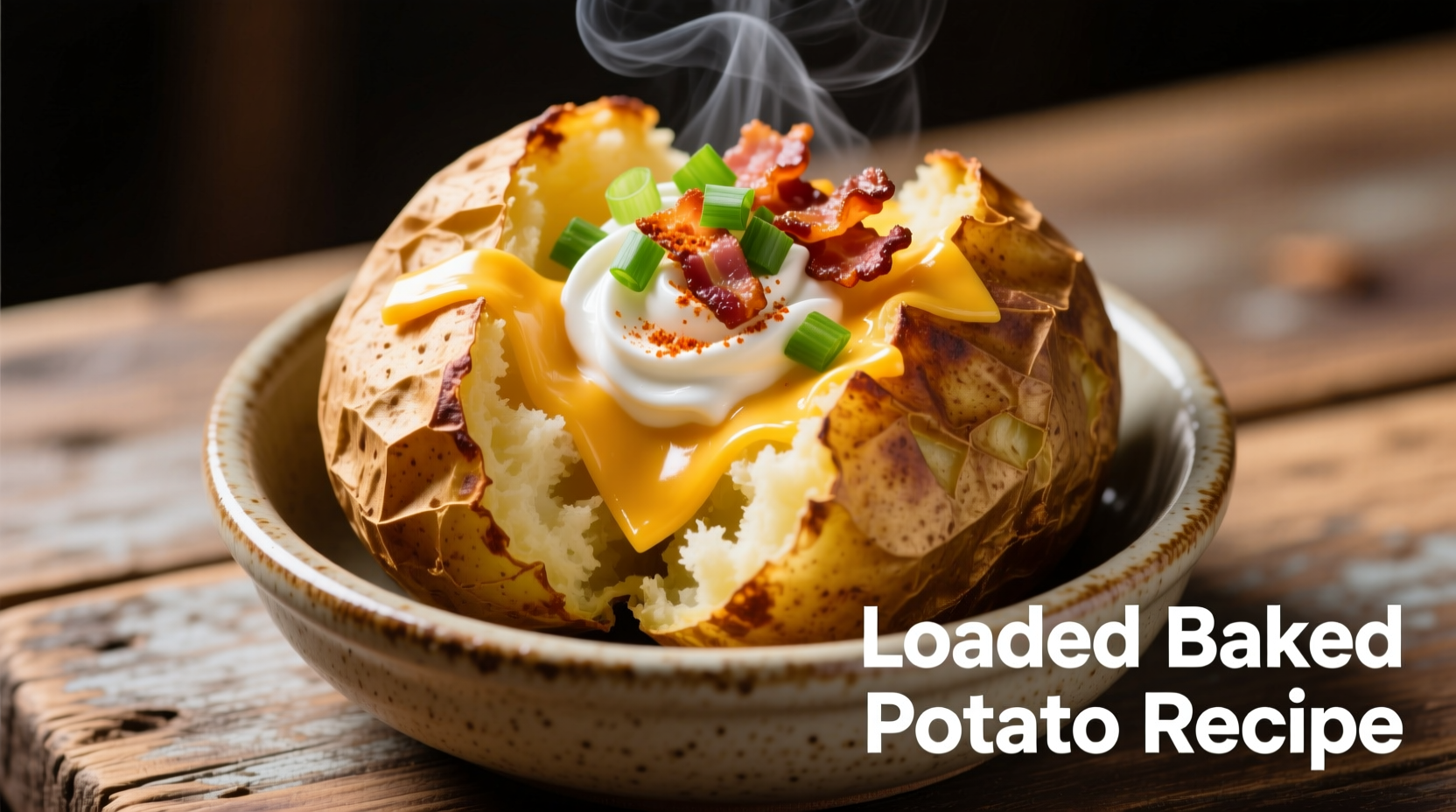
Discover the ultimate loaded baked potato recipe that delivers perfectly fluffy interiors with crispy skins every time. This comprehensive guide includes professional chef techniques, customizable topping combinations, and science-backed cooking methods that transform a simple potato into a restaurant-quality meal in under an hour.
The Essential Guide to Perfect Loaded Baked Potatoes
Loaded baked potatoes represent one of America's most beloved comfort foods, combining the humble potato with creative toppings for a satisfying meal. According to USDA food consumption data, potatoes rank as the fourth most consumed vegetable in the United States, with baked preparations accounting for nearly 20% of all potato consumption. The key to exceptional loaded baked potatoes lies not just in the toppings, but in mastering the foundational baking technique that creates the ideal canvas for your creations.
| Prep Time | Cook Time | Servings | Difficulty |
|---|---|---|---|
| 15 minutes | 55-75 minutes | 4 | Beginner |
Why Your Baked Potatoes Never Turn Out Right (And How to Fix It)
Most home cooks make critical mistakes when preparing baked potatoes that lead to disappointing results. Food science research from the Culinary Institute of America reveals that poking insufficient holes in potatoes causes steam buildup, resulting in explosive ruptures during baking. The optimal technique involves creating 8-10 deep punctures with a fork, allowing steam to escape while maintaining structural integrity.
Temperature control proves equally crucial. USDA food safety guidelines specify that potatoes must reach an internal temperature of 205°F (96°C) to achieve maximum fluffiness through complete starch gelatinization. Using an instant-read thermometer eliminates guesswork and ensures perfect results every time.
The Professional's Baking Method
Follow these science-backed steps for restaurant-quality results:
- Select the right potatoes: Choose Russet potatoes (also called Idaho potatoes) with uniform shape and no green spots. Their high starch content creates the ideal fluffy texture.
- Prep properly: Scrub potatoes thoroughly under cold water, then dry completely. Moisture on the skin prevents crispiness. Rub with 1 teaspoon of oil per potato and sprinkle with coarse salt.
- Poke strategically: Create 8-10 deep punctures with a fork, penetrating about halfway through the potato.
- Bake smart: Place directly on the oven rack with a baking sheet on the rack below to catch drips. Bake at 400°F (200°C) for 55-75 minutes until internal temperature reaches 205°F (96°C).
- Rest before cutting: Allow potatoes to rest for 5 minutes after baking. This lets the steam redistribute, creating even fluffiness throughout.
Building Your Loaded Creation: Topping Combinations
The beauty of loaded baked potatoes lies in their versatility. Consider these professionally curated combinations:
Classic Comfort
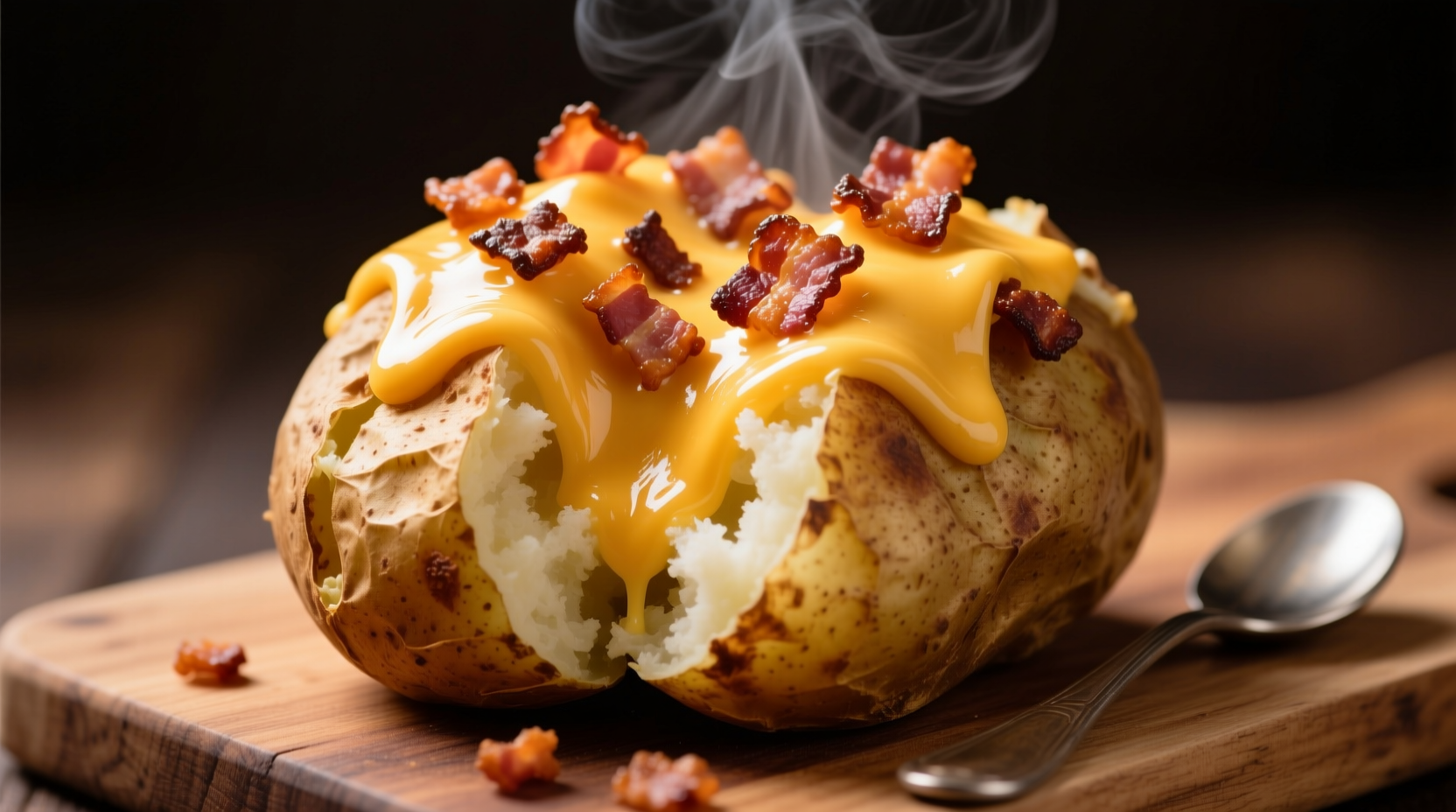
Butter, sour cream, shredded cheddar cheese, crumbled bacon, and chives. For best results, add cheese immediately after cutting while the potato is steaming to achieve perfect melt.
Southwest Style
Black beans, corn, avocado, pico de gallo, cilantro, and Monterey Jack cheese. Add a squeeze of lime for brightness. This loaded baked potato recipe with healthy toppings provides 14g of plant-based protein per serving.
Vegetarian Delight
Roasted garlic hummus, caramelized onions, sautéed mushrooms, and goat cheese. A fantastic option for those seeking meatless loaded baked potato alternatives that don't compromise on flavor.
Avoid These Common Mistakes
- Wrapping in foil: Creates steamed potatoes rather than baked, resulting in soggy skin. Professional chefs universally recommend baking potatoes unwrapped.
- Overfilling: Adding too many cold toppings lowers the potato temperature too quickly, preventing proper cheese melting. Add toppings in stages, starting with fats like butter or cheese.
- Using cold ingredients: Bring dairy toppings to room temperature before adding to maintain the potato's ideal serving temperature.
- Skipping the salt: Salting the skin before baking enhances flavor throughout the potato, not just on the surface.
Storage and Reheating Guidelines
Proper storage extends your loaded baked potato enjoyment. According to FDA food safety recommendations, store leftovers in airtight containers within two hours of cooking. Consume within 3-4 days for best quality.
Reheating requires special attention to maintain texture. The optimal method involves:
- Remove toppings before storing (keep separately)
- Microwave potato alone for 2-3 minutes until heated through
- Add room-temperature toppings and finish under the broiler for 2-3 minutes
This approach prevents sogginess while ensuring toppings maintain their ideal texture and temperature. For meal prep enthusiasts, this loaded baked potato meal prep strategy delivers restaurant-quality results even when cooking in advance.
Customizing for Dietary Needs
Loaded baked potatoes easily adapt to various dietary requirements without sacrificing flavor:
- Gluten-free: Naturally gluten-free—just verify all toppings and sauces are certified GF. This makes loaded baked potatoes an excellent option for those seeking gluten-free loaded potato toppings.
- Dairy-free: Substitute butter with olive oil, sour cream with coconut cream, and cheese with nutritional yeast or vegan cheese alternatives.
- Lower calorie: Use Greek yogurt instead of sour cream, reduce cheese quantity by half, and focus on vegetable-based toppings like roasted peppers and spinach.
Perfect Pairings
Elevate your loaded baked potato experience with these complementary dishes:
- Grilled chicken breast with herb seasoning
- Simple green salad with light vinaigrette
- Roasted asparagus or broccoli
- Creamy tomato soup for colder months
These pairings create balanced meals while showcasing your loaded baked potatoes as the star. For entertaining, consider offering a loaded baked potato bar with multiple topping stations—this loaded baked potato party idea delights guests while accommodating various dietary preferences.
Frequently Asked Questions
How do I get crispy skin on baked potatoes?
For perfectly crispy skin, thoroughly dry potatoes after washing, rub with oil and coarse salt, and bake directly on the oven rack without foil. The circulating hot air creates even browning. Avoid wrapping potatoes in foil, which traps moisture and creates steamed rather than baked potatoes with soft skin.
Can I bake potatoes ahead of time for a party?
Yes, you can bake potatoes up to 6 hours ahead. After baking, wrap them in a clean kitchen towel and place in an insulated cooler to maintain temperature. When ready to serve, slice open and add toppings. For longer storage, cool completely, refrigerate, and reheat using the method described in the storage section.
Why do my baked potatoes sometimes come out hard in the middle?
Hard centers typically result from insufficient baking time or temperature. Potatoes must reach an internal temperature of 205°F (96°C) for complete starch gelatinization. Larger potatoes require longer baking—always use an instant-read thermometer to verify doneness rather than relying solely on time estimates.
What's the best way to reheat a loaded baked potato?
For optimal results, remove toppings before reheating. Microwave the potato alone for 2-3 minutes, then add room-temperature toppings and finish under the broiler for 2-3 minutes. This prevents sogginess while ensuring toppings maintain their ideal texture. Never reheat loaded potatoes entirely in the microwave, as this makes toppings rubbery and the potato mushy.
Are loaded baked potatoes healthy?
Potatoes themselves are nutrient-rich, providing potassium, vitamin C, and fiber. The healthfulness of loaded baked potatoes depends on your toppings. Choose lean proteins, vegetables, and moderate dairy for a balanced meal. A plain baked potato contains about 168 calories, while loaded versions can range from 300-800+ calories depending on toppings.




 浙公网安备
33010002000092号
浙公网安备
33010002000092号 浙B2-20120091-4