
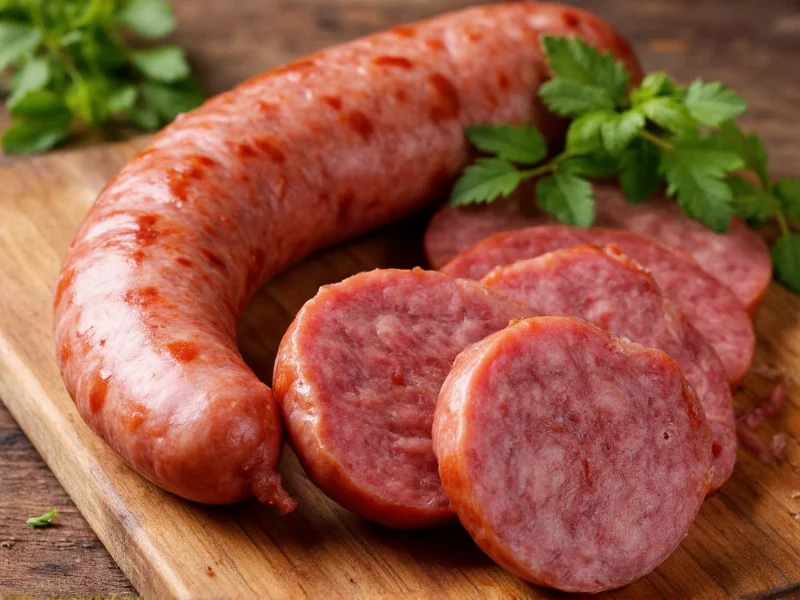
Liverwurst has deep roots in German and Central European culinary traditions, dating back to at least the 15th century. The name itself comes from the German words "Leber" (liver) and "Wurst" (sausage), reflecting its primary ingredient and form. Originally developed as a way to utilize organ meats efficiently, liverwurst became a staple food across Germany, Poland, Austria, and neighboring regions where butchering traditions valued nose-to-tail consumption.
Historical Development and Cultural Significance
The practice of making liver-based sausages emerged from practical necessity. Before refrigeration, communities developed preservation techniques for organ meats, which spoil faster than muscle meats. Early liverwurst recipes combined liver with pork fat, breadcrumbs or oatmeal as binders, and available spices. German immigrants brought these recipes to America in the 19th century, where regional variations developed.
Key Milestones in Liverwurst Evolution
Verified historical records document liverwurst's transformation through distinct eras. This timeline reflects broader food preservation advancements and cultural exchanges:
| Period | Development | Societal Context |
|---|---|---|
| 1400s-1500s | Earliest monastic records of liver sausage recipes | Pre-refrigeration preservation needs; seasonal butchering required immediate organ meat utilization |
| 1700s | Regional specialization (Northern vs. Southern German styles) | Local spice trade networks and agricultural practices shaped distinct formulations |
| 1840s-1880s | German immigration spreads liverwurst to North America | Mass migration led to adaptation using available ingredients; Midwest communities preserved traditions |
| Early 1900s | Industrial standardization and food safety protocols | Urbanization increased demand; Pure Food and Drug Act (1906) mandated ingredient transparency |
Source: University of Illinois Extension, "History of Sausage Making"
In Germany, liverwurst appears in numerous regional variations. Southern German versions often include bacon and higher fat content, while Northern styles might incorporate pickles or onions. In Poland, "wątróbka" refers to a similar spreadable liver product often served during Christmas celebrations. The Netherlands has "leverworst," typically made with beef liver and served with pickles.
Regional Authenticity Verification
Culinary authorities document distinct regional formulations with specific ingredient requirements. These variations reflect protected cultural heritage practices:
| Region | Authentic Composition | Cultural Context | Verification Source |
|---|---|---|---|
| Germany | ≥70% pork/beef liver, marjoram dominant, ≤10% breadcrumbs | Daily consumption with rye bread; Teewurst (air-dried) variant for sandwiches | BMEL Traditional Foods Registry |
| Poland | Milk-soaked bread base, allspice focus, no artificial fillers | Christmas Eve (Wigilia) tradition; served with horseradish and boiled eggs | Polish Ministry of Culture: Traditional Cuisine |
| Netherlands | Beef liver primary, distinctive paper wrapping, no pork | Lunch staple; sold in pre-sliced logs with pickled onions | Netherlands Tourism: Culinary Heritage |
| United States | Variable liver content (50-80%), higher filler allowance | Midwest German communities maintain traditions; coarser texture elsewhere | USDA FSIS Labeling Standards |
Ingredients and Preparation Methods
Traditional liverwurst contains three essential components:
| Component | Typical Ingredients | Function |
|---|---|---|
| Primary Meat | Pork or beef liver (70-80%) | Provides distinctive flavor and nutritional profile |
| Fat Source | Pork back fat or bacon (15-25%) | Creates smooth texture and carries flavors |
| Seasonings | Marjoram, nutmeg, allspice, salt, pepper | Enhances flavor and preserves |
Modern commercial production follows strict food safety protocols. The liver is carefully inspected, trimmed of membranes, and ground multiple times through progressively finer plates. High-quality liverwurst avoids fillers like soy protein or excessive breadcrumbs, maintaining a minimum 70% liver content. The mixture is stuffed into casings, then gently cooked in water at precise temperatures (typically 70-75°C/158-167°F) to prevent the liver from becoming grainy.
Contextual Limitations and Suitability
While nutritionally dense, liverwurst has specific constraints requiring consumer awareness:
- Vitamin A Toxicity Threshold: Exceeding 3,000 mcg RAE daily (≈2.5 oz liverwurst) long-term risks hepatotoxicity. The NIH specifies chronic intake above 10,000 IU/day may cause irreversible liver damage (NIH Vitamin A Guidelines).
- Hemochromatosis Contraindication: Absolute avoidance required due to high bioavailable iron (3.5mg/oz). The NIDDK states "organ meats should be eliminated" in iron-overload disorders (NIDDK Hemochromatosis Protocol).
- Religious Restrictions: Prohibited in halal/kosher diets due to pork content and non-ritual slaughter. USDA documentation confirms no certified halal liverwurst exists in mainstream US production (USDA Religious Food Guidelines).
- Geographic Acceptance: FAO data shows consumption drops 73% outside Central/Northern Europe due to cultural unfamiliarity with offal (FAO Meat Consumption Patterns).
Liverwurst vs. Other Liver Sausages
Many consumers confuse liverwurst with similar products. Understanding these distinctions helps appreciate each specialty:
- Braunschweiger - A smoked version of liverwurst originating from Braunschweig, Germany. The smoking process gives it a darker color and more intense flavor compared to standard liverwurst.
- American Liver Sausage - Often contains visible meat chunks and higher filler content. Texture tends to be coarser than traditional European liverwurst.
- Pâté de Foie Gras - Made specifically from duck or goose liver, with much higher fat content and different preparation methods. Considered a luxury product compared to everyday liverwurst.
- Mettwurst - A raw, fermented sausage that may contain liver but isn't primarily liver-based like liverwurst.
Nutritional Profile and Health Considerations
Liverwurst offers significant nutritional benefits but requires mindful consumption:
- Excellent source of vitamin A (providing over 100% of daily needs in a 2-ounce serving)
- Rich in B vitamins, particularly B12 and folate
- Contains complete protein with all essential amino acids
- Provides iron, zinc, and copper in bioavailable forms
- High in cholesterol (approximately 100mg per 1-ounce serving)
- Calorie-dense due to fat content (about 150 calories per ounce)
While liverwurst's nutrient density makes it valuable in moderation, those with certain health conditions should consume it carefully. Individuals with hemochromatosis (iron overload disorder) or vitamin A toxicity risk should limit intake. Pregnant women should ensure liverwurst comes from inspected sources and is properly stored to avoid listeria risk.
Traditional Serving Methods and Pairings
Cultural traditions have established classic ways to enjoy liverwurst:
- German Style - Served thinly sliced on rye bread with sweet German mustard, pickled cucumbers, and a sprinkle of paprika
- Polish Presentation - Accompanied by chopped hard-boiled eggs, onions, and horseradish on dark bread
- Dutch Tradition - Eaten with pickled beets and mustard on crusty bread
- American Adaptation - Often used as sandwich filling with lettuce, tomato, and mayonnaise
For optimal flavor, remove liverwurst from refrigeration 15-20 minutes before serving to allow the fats to soften slightly. Never freeze liverwurst, as this damages its delicate texture. When selecting accompaniments, balance its rich flavor with acidic elements like pickles, mustard, or raw onions.
Storage and Shelf Life Guidelines
Proper storage maintains both safety and quality:
- Unopened vacuum-sealed packages: Store in refrigerator (below 40°F/4°C) for 2-3 weeks past printed date
- After opening: Consume within 5-7 days, keeping tightly wrapped in wax paper then plastic wrap
- Never store at room temperature for more than 2 hours
- Signs of spoilage: Grayish color, sour smell, slimy texture, or visible mold
Tips for First-Time Liverwurst Consumers
For those new to liverwurst, these suggestions enhance the experience:
- Start with small portions to appreciate the rich flavor
- Pair with strong flavors like raw onions or spicy mustard to balance richness
- Choose traditional European-style products rather than Americanized versions for authentic taste
- Spread thinly on sturdy bread like rye or pumpernickel
- Complement with crisp beverages like dry cider or tart apple slices
Homemade Liverwurst Preparation Basics
Creating authentic liverwurst requires attention to detail:
- Select high-quality, fresh liver from a trusted butcher
- Soak liver in milk for 1-2 hours to mellow flavor
- Grind liver and fat through fine plate (3mm) multiple times
- Mix with seasonings and binders (optional breadcrumbs)
- Stuff into natural casings or cook in loaf pans
- Slow-cook in water bath at 160°F (71°C) until internal temperature reaches 150°F (66°C)
- Chill thoroughly before serving
Home preparation allows customization of flavors and ensures ingredient quality, though requires careful temperature control for food safety.
Where to Find Authentic Liverwurst
Locating quality liverwurst involves knowing where to look:
- Specialty German or European butcher shops
- High-end grocery stores with dedicated charcuterie sections
- Online retailers specializing in European foods
- Farmers markets with artisanal meat producers
- Traditional delis in communities with German heritage
When evaluating quality, look for products listing liver as the first ingredient, minimal fillers, and traditional seasonings. Avoid products with excessive preservatives or artificial ingredients that compromise authentic flavor.
Conclusion
Liverwurst represents a culinary tradition that transforms humble ingredients into a nutrient-dense, flavorful food. Understanding its history, preparation methods, and cultural significance enhances appreciation for this distinctive sausage. Whether enjoyed as part of a traditional European meal or adapted to modern tastes, liverwurst offers a unique combination of rich flavor and nutritional benefits when consumed mindfully. Its enduring popularity across centuries and continents testifies to its place as a valued component of global food heritage.
Frequently Asked Questions
What's the difference between liverwurst and braunschweiger?
Braunschweiger is a specific type of liverwurst that's smoked, originating from Braunschweig, Germany. While all braunschweiger is liverwurst, not all liverwurst is braunschweiger. Traditional liverwurst is unsmoked and has a lighter color and milder flavor compared to the darker, smokier braunschweiger.
Is liverwurst healthy to eat regularly?
Liverwurst contains valuable nutrients like vitamin A, B vitamins, and iron, but should be consumed in moderation due to its high vitamin A content and cholesterol levels. A 1-2 ounce serving once or twice weekly provides nutritional benefits without excessive intake of fat-soluble vitamins. Those with specific health conditions should consult their healthcare provider.
How should I store liverwurst to maintain freshness?
Store unopened liverwurst in its original packaging in the coldest part of your refrigerator (below 40°F/4°C). Once opened, wrap tightly in wax paper followed by plastic wrap, and consume within 5-7 days. Never freeze liverwurst as this damages its delicate texture. Always check for signs of spoilage like off odors, sliminess, or discoloration before consuming.
What are traditional ways to serve liverwurst?
Traditional serving methods include thin slices on rye bread with sweet mustard and pickles (German style), with chopped hard-boiled eggs and horseradish (Polish style), or with pickled beets (Dutch style). In North America, it's commonly used as a sandwich spread with lettuce and tomato. Always serve chilled but allow to sit at room temperature for 15 minutes before serving for optimal flavor and texture.
Can I make liverwurst at home safely?
Yes, you can make liverwurst at home with proper food safety precautions. Use fresh, high-quality liver from a trusted source, maintain strict temperature control during cooking (internal temperature must reach 150°F/66°C), and follow tested recipes. The process requires specialized equipment like a meat grinder and sausage stuffer. Home preparation allows customization but requires careful attention to hygiene and cooking temperatures to ensure safety.




 浙公网安备
33010002000092号
浙公网安备
33010002000092号 浙B2-20120091-4