
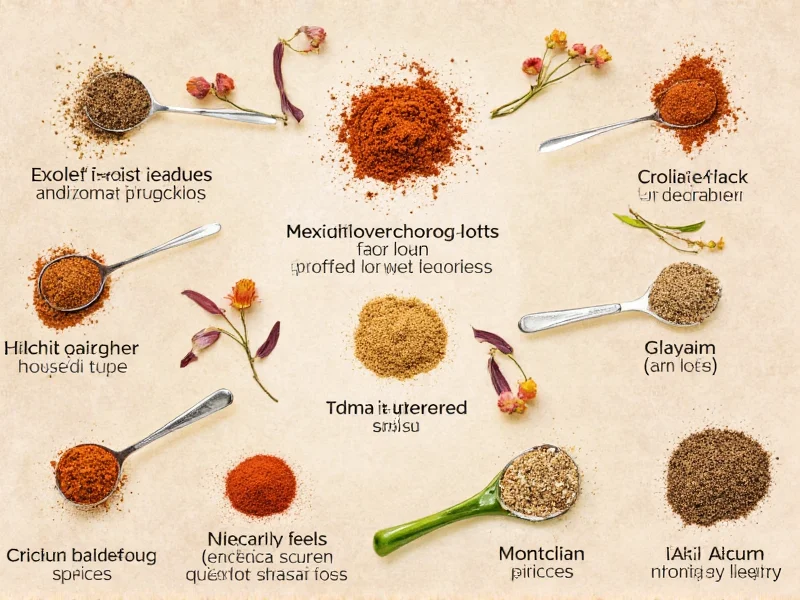
Mexican cuisine's vibrant flavors stem from a distinctive palette of spices deeply rooted in indigenous traditions and Spanish influences. Understanding these authentic seasonings goes beyond simply listing ingredients—it reveals the cultural heritage and regional diversity of Mexico's culinary landscape. This comprehensive guide explores the essential spices that define traditional Mexican cooking, their historical significance, flavor profiles, and proper usage in authentic recipes.
Core Mexican Spices Every Cook Should Know
While many "Mexican spice blends" exist in commercial markets, authentic Mexican cooking relies on specific individual spices and chilies. The following table outlines the essential Mexican spices that form the backbone of traditional recipes across different regions of Mexico:
| Spice Name | Spanish Name | Flavor Profile | Primary Culinary Uses |
|---|---|---|---|
| Ancho Chili | Chile Ancho | Rich, fruity, mild heat with notes of raisin and coffee | Moles, sauces, stews, adobos |
| Guajillo Chili | Chile Guajillo | Berry-like, tangy, moderate heat | Red sauces, marinades, salsas |
| Cumin | Comino | Earthy, warm, slightly peppery | Beans, meats, chorizo, adobos |
| Mexican Oregano | Orégano | Citrusy, slightly floral, more robust than Mediterranean oregano | Soups, beans, tomato-based sauces |
| Achiote | Achiote | Earthy, peppery, slightly floral with vibrant color | Recado rojo, cochinita pibil, rice dishes |
| Epazote | Epazote | Pungent, medicinal, with notes of citrus and gasoline (in a good way!) | Bean dishes, quesadillas, black beans |
Deep Dive: Essential Mexican Spices Explained
Ancho Chili (Chile Ancho)
The dried form of poblano pepper, ancho chilies represent one of Mexico's most versatile and widely used spices. When properly rehydrated and blended, they create a rich, complex base for moles and adobos. Authentic Mexican cooks prize anchos for their deep red color and sweet, fruity flavor with subtle notes of raisin and coffee. Unlike many other dried chilies, anchos have relatively mild heat (1,000-2,000 SHU), making them accessible to those sensitive to spice while still providing authentic flavor.
Guajillo Chili (Chile Guajillo)
Guajillo chilies, the dried version of mirasol peppers, deliver a distinctive tangy flavor with moderate heat (2,500-5,000 SHU). These long, reddish-brown chilies are essential for creating the signature red sauces of central and northern Mexico. Traditional cooks toast guajillos before rehydrating to enhance their natural berry-like notes. In authentic Mexican cooking, guajillos often appear in salsas, marinades for carne asada, and the base for traditional adobo sauces.
Cumin (Comino)
While cumin appears in many global cuisines, its role in Mexican cooking is distinctive. Mexican cooks typically use whole cumin seeds, toasting them before grinding to release their full aromatic potential. The earthy, warm flavor with subtle peppery notes enhances bean dishes, meats, and traditional chorizo. Authentic Mexican recipes often call for freshly ground cumin rather than pre-ground versions, which lose potency quickly. This attention to preparation method represents the care Mexican cooks take with even the most common spices.
Mexican Oregano (Orégano)
Often confused with Mediterranean oregano, Mexican oregano (Lippia graveolens) comes from a completely different plant family and offers a more robust, citrusy flavor profile. Native to Mexico and Central America, this herb grows wild in many regions and has been used since pre-Hispanic times. Traditional cooks add Mexican oregano to bean dishes, soups, and tomato-based sauces, where its distinctive flavor stands up to long cooking times. Unlike its Mediterranean counterpart, Mexican oregano works exceptionally well in liquid-based dishes.
Achiote (Annatto)
Achiote seeds, derived from the achiote tree, provide both vibrant color and distinctive flavor in traditional Mexican cooking. When ground with other spices and citrus, they form recado rojo, the essential paste for cochinita pibil from the Yucatán Peninsula. Authentic achiote paste contains only achiote seeds, vinegar or bitter orange juice, garlic, and select spices—never artificial colors or preservatives. The resulting flavor is earthy with subtle peppery notes, while the color ranges from bright orange to deep red depending on preparation.
Epazote
Perhaps the most distinctive of traditional Mexican herbs, epazote (Dysphania ambrosioides) has a powerful flavor often described as medicinal with citrus and gasoline notes. Despite its challenging aroma, epazote serves important culinary and digestive purposes in authentic Mexican cooking. Traditional cooks add small amounts to bean dishes to reduce gas production and enhance flavor. Indigenous communities have used epazote for centuries both as a culinary herb and medicinal plant. Its unique flavor cannot be adequately substituted, making it essential for authentic black bean preparations.
Regional Spice Variations Across Mexico
Mexican cuisine isn't monolithic—spice usage varies dramatically by region, reflecting local ingredients, indigenous traditions, and historical influences:
- Northern Mexico: Features bold flavors with prominent use of dried chilies like guajillo and árbol, along with cumin in meat dishes and grilled preparations
- Central Mexico: Known for complex moles incorporating multiple chilies including ancho, pasilla, and mulato, often balanced with chocolate and spices
- Yucatán Peninsula: Distinctive use of achiote, habanero chilies, and sour orange in traditional Mayan-influenced dishes
- Coastal Regions: Incorporate more fresh herbs and citrus with moderate chili use, focusing on seafood preparations
Authentic Buying and Storing Practices
Traditional Mexican cooks follow specific practices when selecting and storing spices to maintain maximum flavor:
- Buying dried chilies: Look for flexible, leathery texture (not brittle), deep color, and clean aroma without mustiness
- Whole vs. ground: Always purchase whole spices when possible and grind them fresh—pre-ground spices lose potency within weeks
- Storage: Keep spices in airtight containers away from light and heat; most retain optimal flavor for 6-12 months
- Reviving spices: Lightly toast stale spices in a dry skillet to restore some flavor before grinding
Traditional Mexican Spice Blends
While Mexican cooking typically uses individual spices rather than pre-mixed blends, certain regional combinations have become traditional:
- Recado Rojo: Achiote-based paste from Yucatán with garlic, cumin, oregano, and sour orange juice
- Adobo Sauce: Blend of reconstituted chilies (ancho, guajillo, pasilla), vinegar, garlic, and spices
- Mole Negro Base: Complex mixture of multiple chilies, spices, nuts, and seeds used in Oaxacan mole
- Tex-Mex "Taco Seasoning": Note: This commercial blend (cumin, chili powder, garlic powder) is not traditional Mexican but rather an American adaptation
Common Questions About Mexican Spices
What's the difference between Mexican oregano and regular oregano?
Mexican oregano (Lippia graveolens) comes from a completely different plant family than Mediterranean oregano (Origanum vulgare). It has a more robust, citrusy flavor that holds up better in liquid-based dishes like soups and bean preparations. Traditional Mexican cooks prefer Mexican oregano for its distinctive flavor that complements tomato-based sauces and bean dishes, while Mediterranean oregano works better in Italian and Greek cuisines.
Can I substitute regular cumin for Mexican cumin?
While cumin is cumin botanically, traditional Mexican cooking emphasizes using freshly ground whole cumin seeds rather than pre-ground powder. The key difference lies in freshness and preparation method. For authentic results, toast whole cumin seeds in a dry skillet until fragrant, then grind them just before use. Pre-ground cumin loses its volatile oils quickly and won't provide the same depth of flavor in traditional Mexican recipes.
What's the most essential Mexican spice for beginners to try?
Ancho chili represents the most accessible entry point for exploring authentic Mexican spices. With its mild heat (1,000-2,000 SHU) and rich, fruity flavor with notes of raisin and coffee, it provides complex flavor without overwhelming heat. Reconstitute dried ancho chilies by soaking in hot water, then blend into sauces for moles, stews, or adobos. This versatile chili forms the foundation of many traditional Mexican dishes and demonstrates how Mexican cuisine balances multiple flavor dimensions rather than focusing solely on heat.
Why do authentic Mexican recipes call for toasting spices?
Toasting whole spices in a dry skillet before grinding or using them in recipes is a traditional Mexican technique that enhances flavor through the Maillard reaction. This process releases essential oils and develops more complex flavor compounds. For chilies, toasting improves rehydration and creates deeper, smokier notes. Traditional cooks carefully monitor the toasting process, removing spices from heat just as their aroma intensifies to avoid bitterness from over-toasting.
Are chipotle peppers considered a traditional Mexican spice?
Chipotle peppers (smoked and dried jalapeños) have become widely associated with Mexican cuisine, but their traditional use is primarily regional. They originated in eastern Mexico where smoking techniques were used for food preservation. While now popular globally, authentic traditional Mexican cooking uses chipotles more selectively than commercial "Mexican" products. In genuine regional recipes, chipotles appear in specific sauces and adobos, particularly in Veracruz and Puebla cuisines, but aren't considered one of the foundational spices used throughout Mexico.




 浙公网安备
33010002000092号
浙公网安备
33010002000092号 浙B2-20120091-4