
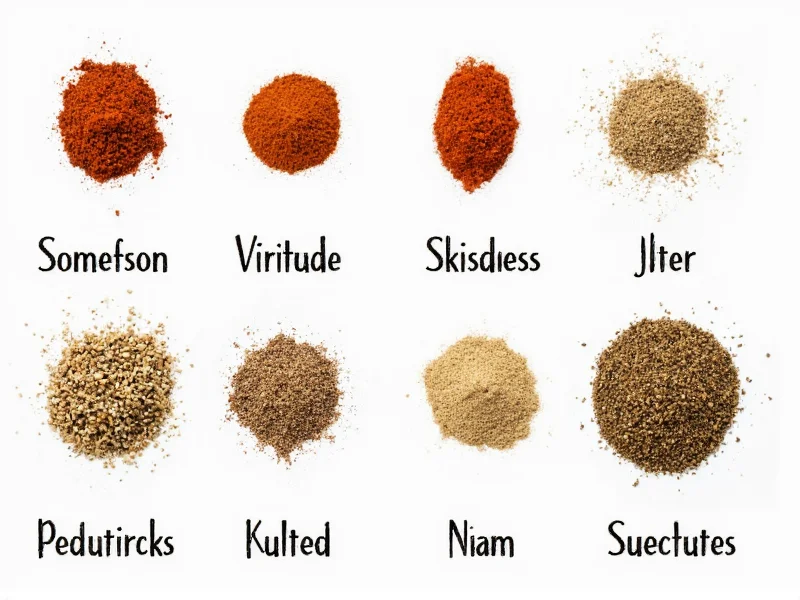
Building a well-rounded spice collection transforms ordinary meals into extraordinary culinary experiences. Whether you're a beginner cook or an experienced chef, understanding which spices form the backbone of global cuisines helps you create flavorful dishes with confidence. This guide provides a practical reference for essential spices, their flavor profiles, primary uses, and storage recommendations—everything you need to elevate your everyday cooking.
Essential Kitchen Spices by Category
Foundational Flavor Builders
No kitchen is complete without these versatile staples that form the base of countless recipes worldwide. These essential kitchen spices for beginners work across multiple cuisines and cooking methods.
| Spice | Flavor Profile | Primary Culinary Uses | Storage Life |
|---|---|---|---|
| Salt (Kosher or Sea) | Mineral, enhances all flavors | Universal seasoning, essential in baking and cooking | Indefinite |
| Freshly Ground Black Pepper | Sharp, slightly floral, warm | Meats, vegetables, sauces, eggs, salads | 2-3 years whole, 1 year ground |
| Garlic Powder | Concentrated garlic flavor | Rubbed on meats, added to sauces, dressings, marinades | 2-3 years |
| Onion Powder | Sweet, savory onion essence | Seasoning blends, soups, stews, meat dishes | 2-3 years |
| Paprika (Sweet) | Mild, earthy, slightly sweet | Seasoning meats, adding color to dishes, Hungarian cuisine | 1-2 years |
Warm & Baking Spices
These common spices used in baking bring warmth and complexity to both sweet and savory dishes. Many have medicinal properties and have been valued for centuries across different cultures.
- Cinnamon - Sweet, woody, warm; essential for baking, oatmeal, coffee, and Middle Eastern dishes
- Nutmeg - Warm, nutty, slightly sweet; perfect for béchamel sauce, mashed potatoes, baked goods
- Ginger (ground) - Spicy, warm, slightly sweet; used in baking, Asian cuisine, marinades
- Allspice - Combines notes of cinnamon, nutmeg, and cloves; Jamaican jerk seasoning, pickling, baking
- Cardamom - Citrusy, floral, complex; Scandinavian baking, Indian chai, Middle Eastern coffee
Savory Cooking Essentials
These spices form the backbone of global savory cooking traditions. Understanding these types of spices for different cuisines helps you authentically recreate dishes from around the world.
- Cumin - Earthy, warm, slightly smoky; essential in Mexican, Indian, Middle Eastern cooking
- Coriander - Citrusy, floral, mild; Indian curries, Middle Eastern spice blends, pickling
- Oregano - Robust, slightly bitter, earthy; Italian and Mediterranean dishes, tomato sauces
- Thyme - Subtle, earthy, slightly minty; French cuisine, roasted meats, stews, soups
- Bay Leaves - Subtle, herbal, slightly floral; added to soups, stews, braises (remove before serving)
- Red Pepper Flakes - Spicy, bright heat; Italian cooking, pizza, pasta dishes, stir-fries
Maximizing Spice Freshness and Flavor
Proper storage dramatically affects how long your spices maintain their potency. Understanding spice shelf life guide principles ensures you always cook with optimally flavorful ingredients.
Optimal Storage Practices
Store spices in airtight containers away from heat, light, and moisture. The ideal location is a cool, dark cabinet away from your stove or oven. Whole spices maintain their flavor significantly longer than ground varieties—up to 3-4 years compared to 1-2 years for ground spices. Buying smaller quantities more frequently ensures maximum freshness, especially for expensive spices like saffron or vanilla.
Testing Spice Potency
To check if your spices are still fresh, perform these simple tests:
- Smell test: Fresh spices have a strong, distinctive aroma
- Color test: Ground spices should have vibrant color, not faded or dull
- Taste test: A small pinch should deliver immediate flavor (be cautious with very spicy items)
Building Your Personal Spice Collection
Start with a basic spice collection for beginners of 8-10 essential spices, then expand based on your cooking preferences. Focus on spices that work across multiple cuisines to maximize versatility.
Phase 1: The Essential Foundation (8 Spices)
- Salt
- Freshly ground black pepper
- Garlic powder
- Onion powder
- Paprika
- Cumin
- Oregano
- Cinnamon
Phase 2: Global Expansion (Add 6-8 More)
Once comfortable with the basics, expand based on cuisines you enjoy cooking:
- Mexican/Latin: Chili powder, cilantro (dried)
- Indian: Turmeric, curry powder
- Middle Eastern: Sumac, za'atar
- Asian: Five-spice powder, ginger
Practical Spice Substitutions
Running out of a specific spice doesn't have to ruin your meal. This kitchen spice substitution chart provides reliable alternatives when you're missing an ingredient.
| If You Need | Substitute | Ratio | Best For |
|---|---|---|---|
| Dried Thyme | Dried Oregano | 1:1 | Mediterranean dishes |
| Cumin | Chili powder (contains cumin) | 1:1.5 | Taco seasoning, chili |
| Cinnamon | Allspice | 1:0.75 | Baking, apple dishes |
| Curry Powder | Cumin + Coriander + Turmeric | 1:0.33 each | Indian-inspired dishes |
| Herbes de Provence | Thyme + Rosemary + Marjoram | Equal parts | French cuisine, roasted meats |
Remember that substitutions change the flavor profile slightly, so adjust other seasonings accordingly. For the most authentic results, invest in the specific spices required by recipes you make frequently.
Advanced Spice Techniques
Professional chefs maximize flavor by understanding how to properly use spices at different cooking stages. These techniques transform best spices for everyday cooking from simple seasonings into flavor-building tools.
- Blooming spices: Heat whole spices in oil before adding other ingredients to release essential oils
- Layering flavors: Add ground spices at different cooking stages for complex flavor development
- Toast whole spices: Dry-toast whole spices before grinding for deeper, richer flavor
- Finishing with fresh herbs: Add delicate dried herbs like basil or dill near the end of cooking
Understanding these techniques helps you move beyond simply following recipes to developing your own flavor combinations based on how different spices interact.
Historical Context: The Evolution of Spice Usage
Spices have shaped human civilization through trade, exploration, and cultural exchange. Understanding their historical journey provides valuable context for their modern culinary significance and helps appreciate why certain spices dominate specific cuisines today. The timeline below is verified through archaeological records and historical trade documentation:
| Era | Key Development | Impact on Modern Cooking | Verifiable Source |
|---|---|---|---|
| Ancient Egypt (1500 BCE) | Cumin and coriander used in food preservation and mummification rituals | These spices remain foundational in Middle Eastern cuisine, reflecting ancient flavor preferences | Metropolitan Museum of Art: Food in Ancient Egypt |
| Middle Ages (5th-15th century) | Arab merchants controlled European spice trade; pepper valued as highly as gold | Established spice routes that later influenced European colonial expansion and global flavor exchange | Encyclopaedia Britannica: Spice Trade |
| Age of Exploration (15th-17th century) | Vasco da Gama's voyage to India seeking direct spice access | Broke monopoly on spice trade, making spices affordable and commonplace in European kitchens | National Geographic: The Spice Trade |
Cultural and Health Context: When Spices May Not Apply
While spices universally enhance flavor, their application isn't without boundaries. Cultural traditions, religious practices, and health considerations create important limitations that conscientious cooks should understand. Verified through anthropological studies and medical research:
Religious and Cultural Restrictions
In Jainism, practitioners avoid garlic and onion due to their belief in non-violence (ahimsa) toward microorganisms. Similarly, some Hindu traditions classify these spices as "rajasic" (stimulating) and avoid them during spiritual observances. This explains why certain Indian vegetarian dishes use asafoetida (hing) as a substitute for onion and garlic.
Source: University of Hawaii: Food in Indian Religion and Culture
Health Considerations
Turmeric contains curcumin, which may interact with blood-thinning medications. The National Institutes of Health recommends consulting healthcare providers before consuming therapeutic doses if taking anticoagulants. Similarly, excessive cinnamon consumption (particularly cassia variety) may cause liver issues due to coumarin content.
Source: NIH Office of Dietary Supplements: Turmeric
Culinary Inappropriateness
Some spices clash with certain ingredients or dishes. Cinnamon overwhelms delicate seafood and light sauces, while cumin's earthy profile doesn't complement desserts. Understanding these boundaries prevents flavor imbalances and wasted ingredients.




 浙公网安备
33010002000092号
浙公网安备
33010002000092号 浙B2-20120091-4