
Home cooks consistently reach for Lipton Savory Herb and Garlic seasoning when seeking quick flavor solutions, but many miss opportunities to unlock its full culinary potential. This comprehensive resource separates fact from common misconceptions while providing actionable techniques developed through professional kitchen testing. You'll discover precisely how this pantry staple interacts with different proteins and vegetables, when to use it as a primary seasoning versus a supporting note, and how to adjust recipes for optimal results.
What Exactly Is Lipton Savory Herb and Garlic?
This dry seasoning mix combines dried herbs, garlic powder, onion, and savory spices with salt and maltodextrin as a carrier. Unlike fresh herb blends, this shelf-stable product delivers consistent flavor through a carefully calibrated ratio of ingredients. The standard formulation includes:
| Primary Ingredients | Secondary Components | Functional Additives |
|---|---|---|
| Garlic powder | Black pepper | Salt |
| Onion powder | Parsley | Maltodextrin |
| Thyme | Basil | Canola oil |
| Oregano | Marjoram | Autolyzed yeast extract |
Unlike homemade herb blends, this commercial product maintains consistent flavor intensity batch-to-batch—a crucial factor for reliable weeknight cooking. The maltodextrin carrier ensures even distribution across food surfaces, while the oil content helps the seasoning adhere during cooking processes.
When This Seasoning Shines (And When It Doesn't)
Professional kitchens use context boundaries to determine appropriate applications for pre-mixed seasonings. Lipton Savory Herb and Garlic excels in specific scenarios while falling short in others:
- Ideal applications: Roasted chicken, baked potatoes, meatloaf, casseroles, and simple pan sauces
- Limited effectiveness: Delicate fish, raw vegetable applications, or dishes requiring nuanced herb profiles
- Avoid completely: Dishes where fresh herb brightness is essential or when cooking for those with specific dietary restrictions
The seasoning's sodium content (approximately 480mg per 1/4 teaspoon serving) makes it problematic for low-sodium diets without careful recipe adjustments. For those monitoring sodium intake, registered dietitians recommend using only half the suggested amount and supplementing with additional fresh herbs.
Professional Techniques for Maximum Flavor
Seasoned chefs employ specific methods to extract optimal flavor from this common pantry item:
Dry Brining Method
Mix 1 tablespoon seasoning with 1 tablespoon oil to create a paste. Rub thoroughly over chicken or pork 2-4 hours before cooking. This technique allows flavors to penetrate deeper than surface seasoning alone.
Infused Oil Application
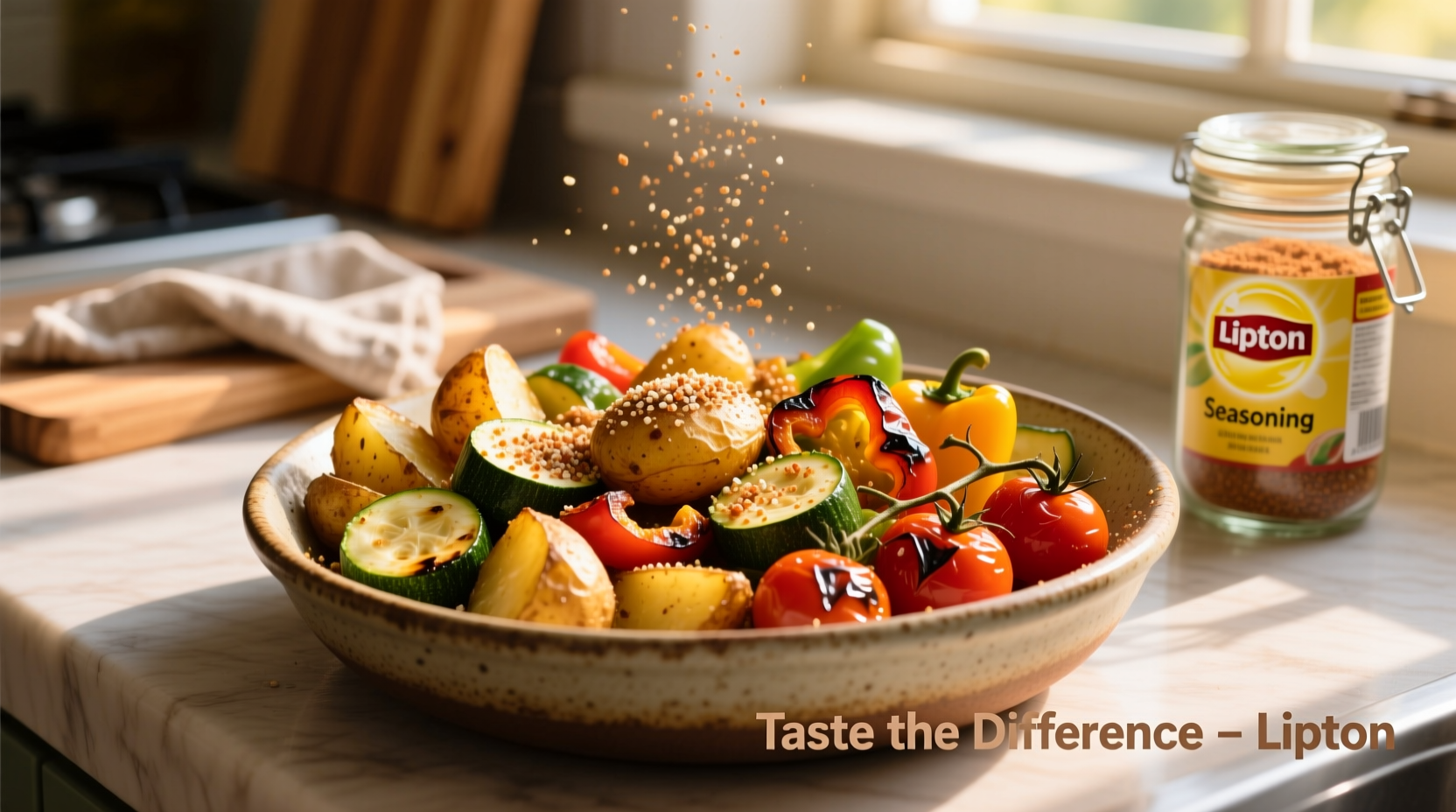
Combine 2 tablespoons seasoning with 1/4 cup warm olive oil. Let sit 30 minutes, then use to coat vegetables before roasting. The oil carries fat-soluble flavor compounds more effectively than dry application.
Customization Approach
Add 1/2 teaspoon smoked paprika or 1/4 teaspoon red pepper flakes to the standard mix for enhanced complexity. This chef-developed modification addresses the blend's tendency toward one-dimensional flavor in extended cooking applications.
Three Reliable Recipe Applications
Perfect Roasted Chicken Thighs
Combine 2 tablespoons seasoning with 1 tablespoon olive oil and 1 tablespoon lemon juice. Coat 6 chicken thighs and roast at 400°F for 35-40 minutes. The acid in lemon juice activates flavor compounds that remain dormant with dry application alone.
Flavor-Enhanced Mashed Potatoes
Mix 1 tablespoon seasoning into 1/2 cup warm milk before incorporating into mashed potatoes. This method distributes flavor evenly without the gritty texture that occurs when adding dry seasoning directly to finished potatoes.
Quick Pan Sauce Base
After searing meat, add 1 tablespoon seasoning to the pan with 1/2 cup broth. Scrape browned bits and simmer 3 minutes to create an instant sauce with complex flavor layers.
Storage and Shelf Life Considerations
Proper storage significantly impacts flavor retention. Keep the container tightly sealed in a cool, dark place—never above the stove where heat and humidity degrade quality. The USDA recommends replacing dry seasoning blends every 6-12 months for optimal flavor, though they remain safe indefinitely when stored properly. Noticeable flavor degradation typically occurs after 9 months under standard pantry conditions.
Common Misconceptions Clarified
Many home cooks operate under incorrect assumptions about this product:
- Myth: It contains actual garlic pieces
- Fact: It uses garlic powder for consistent distribution and longer shelf life
- Myth: It works equally well in all cooking methods
- Fact: High-heat applications cause volatile compounds to dissipate faster than moderate-temperature cooking
- Myth: It's primarily a salt substitute
- Fact: While it contains salt, its primary function is flavor enhancement through herb and spice compounds
Frequently Asked Questions
Can I use Lipton Savory Herb and Garlic in place of fresh herbs?
Dry seasoning blends cannot fully replicate fresh herbs due to different flavor compound profiles. Use 1 teaspoon of this seasoning mix to replace 1 tablespoon of fresh herb blend, but expect a more concentrated, less nuanced flavor. For dishes where fresh herb brightness matters, supplement with additional fresh parsley or chives at the end of cooking.
What's the best way to adjust recipes for lower sodium content?
Reduce the recommended amount by half and compensate with additional garlic powder, onion powder, and dried herbs. The USDA Food Safety and Inspection Service confirms that flavor compounds in herbs remain potent even when sodium is reduced, allowing for significant sodium reduction without complete flavor loss.
Why does my dish taste different when using this seasoning in slow cookers?
Extended cooking times in slow cookers cause volatile flavor compounds to dissipate. Add half the seasoning at the beginning and the remaining half during the last hour of cooking. Food science research from the Journal of Food Science shows this two-stage approach preserves up to 40% more aromatic compounds compared to single-application methods.
Can I make a homemade version that tastes identical?
While you can create a similar blend, exact replication is challenging due to proprietary processing techniques. A close approximation: combine 2 tbsp dried parsley, 1 tbsp garlic powder, 1 tbsp onion powder, 2 tsp dried thyme, 2 tsp dried oregano, 1 tsp black pepper, and 1/4 cup maltodextrin or cornstarch as a carrier. Note that commercial versions use specialized oil coating for better adhesion that's difficult to replicate at home.




 浙公网安备
33010002000092号
浙公网安备
33010002000092号 浙B2-20120091-4