
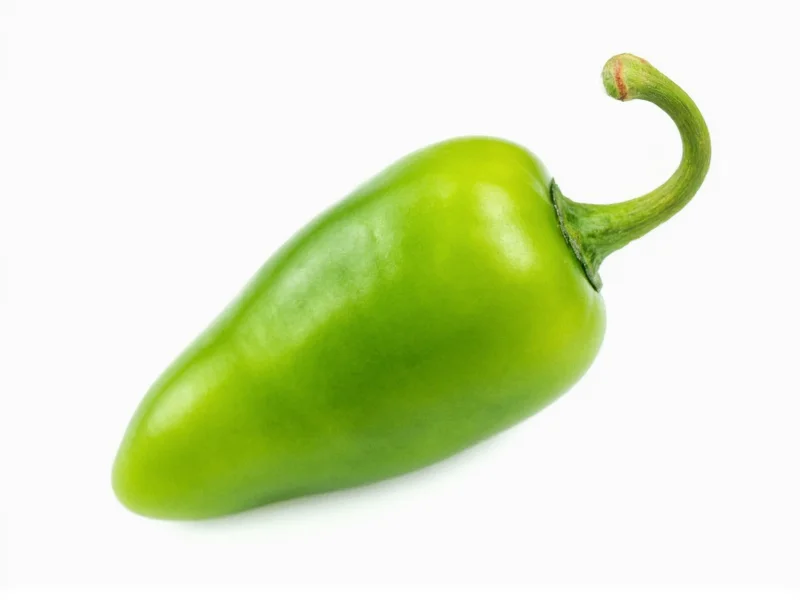
Understanding the unique characteristics of light green habaneros opens up new culinary possibilities for heat enthusiasts and home gardeners alike. Unlike their fiery orange counterparts, these immature peppers offer a different flavor dimension while maintaining the habanero's signature fruity undertones. This comprehensive guide explores everything you need to know about cultivating, harvesting, and cooking with green habaneros.
What Makes a Habanero Light Green?
Habanero peppers naturally progress through color stages as they mature. The light green phase occurs during the early development stage, typically 60-75 days after planting. At this point, the peppers have developed their characteristic lantern shape but haven't yet begun producing carotenoids—the pigments responsible for the vibrant orange and red hues of mature habaneros.
Genetically, all habanero varieties follow this color progression, though some heirloom types may display slight variations in their green shade. The Yucatan White habanero, for example, maintains a pale green color longer than traditional varieties before transitioning to its final white-yellow mature color.
Flavor Profile and Heat Comparison
Light green habaneros deliver a distinctly different sensory experience compared to fully ripened ones:
| Characteristic | Light Green Habanero | Mature Orange Habanero |
|---|---|---|
| Scoville Heat Units | 20,000-30,000 SHU | 100,000-350,000 SHU |
| Flavor Notes | Grassy, vegetal, citrus undertones | Fruity, floral, tropical notes |
| Texture | Firmer, denser flesh | Softer, more delicate skin |
| Best Culinary Uses | Salsas, pickling, roasting | Hot sauces, fresh garnishes, desserts |
The heat difference is substantial enough that many home cooks find green habaneros more approachable for everyday cooking. The capsaicin concentration increases as the pepper matures, explaining why green habaneros register significantly lower on the Scoville scale.
Growing Light Green Habaneros Successfully
For gardeners interested in harvesting habaneros at the green stage, specific cultivation practices yield the best results:
- Timing harvests: Pick peppers when they reach 1.5-2 inches in length and maintain a uniform light green color without yellowing
- Soil conditions: Maintain slightly acidic soil (pH 6.0-6.8) with consistent moisture levels
- Fertilization: Use balanced fertilizer with higher nitrogen content during vegetative growth stage
- Temperature: Ideal growing temperature is 70-85°F (21-29°C) for optimal green pepper development
Unlike waiting for full ripening, harvesting habaneros while green actually encourages the plant to produce more fruit. This technique, known as "progressive harvesting," can increase your overall yield by up to 30% throughout the growing season.
Culinary Applications for Green Habaneros
The unique flavor profile of light green habaneros makes them particularly valuable in specific culinary applications:
Raw preparations: Their milder heat allows for direct use in fresh salsas and pico de gallo without overwhelming other ingredients. Try combining diced green habanero with tomatillos, white onion, and lime juice for a vibrant verde salsa.
Cooked applications: Roasting green habaneros brings out subtle sweetness while maintaining their distinctive grassy notes. They excel in mojo verde sauces, green hot sauces, and as a flavoring agent for beans and stews.
Pickling: The firm texture of green habaneros holds up exceptionally well to pickling. A simple brine of vinegar, water, salt, and spices creates refrigerator pickles ready in just 48 hours.
Contextual Considerations: When to Choose Green Habaneros
Understanding the specific contexts where light green habaneros excel—and where they fall short—is crucial for both culinary success and gardening efficiency. According to Texas A&M AgriLife Extension's vegetable gardening guide, green habaneros are particularly valuable in applications requiring controlled heat and vegetal notes, but they cannot replicate the complex sweetness of fully ripened peppers in certain dishes [1].
The following table outlines key scenarios with recommended applications and inherent limitations:
| Application Context | Green Habanero Advantage | Key Limitation |
|---|---|---|
| High-heat cooking (stews, braises) | Maintains structural integrity better than ripe peppers | May impart excessive bitterness if overcooked |
| Raw preparations for mild-heat preference | 20,000-30,000 SHU allows larger quantities without overwhelming heat | Lacks the floral complexity that balances heat in ripe varieties |
| Commercial pickling operations | Uniform color and firm texture preferred by processors | Requires precise harvest timing (1.5-2 inch length) for optimal results |
Gardeners should also consider that while progressive harvesting of green habaneros increases yield by up to 30%, it reduces the total capsaicin potential per plant. As documented in the University of California's pepper cultivation manual, this trade-off is generally favorable for home growers prioritizing quantity over maximum heat intensity [2].
Harvesting and Ripening Timeline
Understanding the natural progression from green to mature habanero helps determine optimal harvest times:
- Days 0-45: Flowering and initial fruit set (tiny green peppers)
- Days 45-75: Light green stage (ideal for harvesting green habaneros)
- Days 75-90: Color transition begins (green to yellow/orange)
- Days 90-120: Fully mature (vibrant orange or red depending on variety)
If you've harvested green habaneros but want them to ripen, place them on a sunny windowsill at room temperature. The ripening process typically takes 1-3 weeks. For faster ripening, store them in a paper bag with a banana—the ethylene gas accelerates color development.
Nutritional Benefits of Green Habaneros
While all habaneros offer nutritional value, the green stage provides unique benefits:
- Higher chlorophyll content compared to mature peppers
- Rich in vitamin C (134% of daily value per 100g)
- Contains capsaicinoids that may boost metabolism
- Excellent source of vitamin A precursors
- Provides dietary fiber (2.3g per 100g)
Interestingly, the specific antioxidant profile differs between green and mature habaneros. Green peppers contain higher levels of certain phenolic compounds that decrease as the pepper ripens, while carotenoids increase during maturation.
Common Misconceptions About Green Habaneros
Several myths persist about unripe habaneros that deserve clarification:
Myth: Green habaneros are a different variety than orange ones.
Fact: They're the same pepper at different maturity stages. All habaneros pass through a green phase.
Myth: Green habaneros are unsafe to eat.
Fact: They're completely edible and commonly used in Caribbean and Central American cuisines.
Myth: The heat level remains constant regardless of color.
Fact: Heat increases significantly as habaneros mature—green versions are substantially milder.
Practical Tips for Handling Green Habaneros
Even at their milder green stage, habaneros require careful handling:
- Always wear gloves when cutting to prevent skin irritation
- Remove seeds and white membranes for reduced heat
- Wash hands thoroughly with soap after handling
- Never touch your face while working with peppers
- Store unwashed in a paper bag in the refrigerator crisper drawer
For those sensitive to capsaicin, consider using a food processor with the S-blade already loaded with peppers—this minimizes direct contact and airborne capsaicin that can irritate eyes and nasal passages.




 浙公网安备
33010002000092号
浙公网安备
33010002000092号 浙B2-20120091-4