
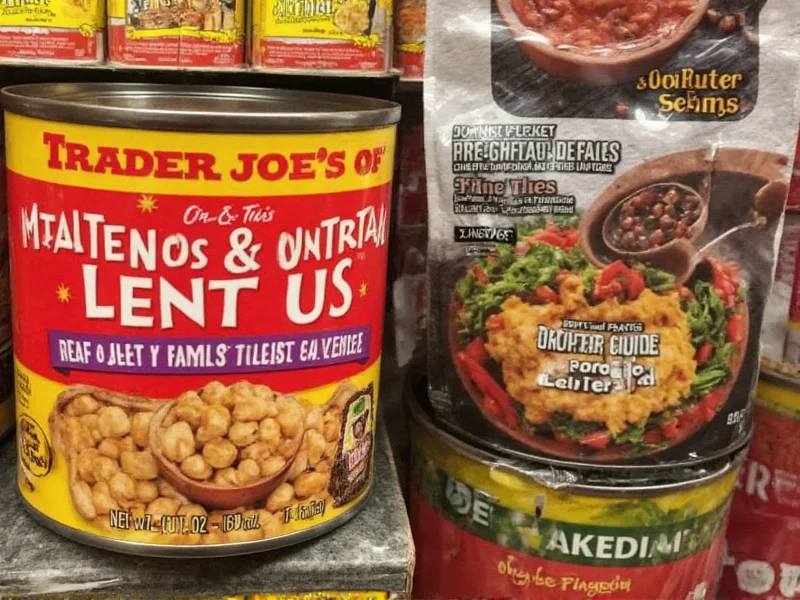
For health-conscious shoppers and home cooks seeking nutritious pantry staples, Trader Joe's lentils present a reliable option worth exploring. These legumes deliver exceptional protein and fiber content while remaining budget-friendly compared to many grocery store alternatives. Understanding the specific characteristics of each variety helps consumers select the right lentils for their culinary needs.
Trader Joe's Lentil Varieties Explained
Trader Joe's carries three distinct lentil types, each with unique cooking properties and culinary applications. The French green lentils, labeled simply as 'French Lentils' on packaging, maintain their shape exceptionally well during cooking, making them ideal for salads, grain bowls, and cold preparations. These lentils typically cook in 20-25 minutes without requiring pre-soaking.
Black beluga lentils, named for their resemblance to beluga caviar, offer a rich, earthy flavor and glossy appearance. They hold their shape moderately well and work beautifully in heartier dishes like stews, braises, and vegetarian 'caviar' salads. These take approximately 25-30 minutes to reach optimal tenderness.
Red lentils, often labeled as 'Red Lentils' or sometimes 'Red Split Lentils,' break down more readily during cooking, creating a creamy texture perfect for soups, dals, and purees. They generally cook in just 15-20 minutes and don't require soaking, making them the quickest option for weeknight meals.
Nutritional Benefits of Trader Joe's Lentils
All lentil varieties from Trader Joe's deliver impressive nutritional profiles. A standard 1/4 cup (50g) serving of dry lentils provides approximately 12 grams of protein and 5 grams of dietary fiber. They're naturally fat-free, cholesterol-free, and rich in essential nutrients including iron, folate, and manganese. While nutritional differences between varieties are relatively minor, French green lentils contain slightly more fiber while red lentils offer marginally higher iron content. All varieties serve as excellent plant-based protein sources that can help maintain stable blood sugar levels due to their low glycemic index. Values align with USDA FoodData Central standards for raw lentils [1].
| Lentil Variety | Protein (per 1/4 cup dry) | Fiber (per 1/4 cup dry) | Iron (per 1/4 cup dry) | Cooking Time |
|---|---|---|---|---|
| French Green | 12g | 5.3g | 3.1mg | 20-25 minutes |
| Black Beluga | 12g | 5.1g | 3.2mg | 25-30 minutes |
| Red Lentils | 12g | 4.9g | 3.3mg | 15-20 minutes |
*Nutritional values calculated from USDA FoodData Central standard reference for raw lentils (FDC ID: 170147). Actual values may vary slightly by crop and processing batch.
Market Context and Consumption Trends
U.S. lentil consumption patterns reveal significant shifts in dietary preferences. According to USDA Economic Research Service data, per capita consumption of dry pulses (including lentils) has increased from 0.3 pounds annually in 2000 to 1.3 pounds in 2020 [2]. This four-fold growth reflects rising consumer demand for affordable plant-based proteins, directly aligning with Trader Joe's value proposition of accessible lentil options. The trend accelerated notably after 2015 as plant-forward diets gained mainstream traction through initiatives like the Dietary Guidelines for Americans emphasizing pulse inclusion.
Price Comparison and Value Analysis
At $2.49-$2.99 for 16-ounce bags, Trader Joe's lentils represent excellent value compared to many grocery store alternatives. Major supermarket chains typically charge $3.49-$4.99 for comparable sizes of branded lentils. Organic grocery stores often price similar products at $4.99 or higher.
The cost per cooked cup makes Trader Joe's lentils particularly economical. When prepared, one 16-ounce bag yields approximately 4-5 cups of cooked lentils, translating to roughly $0.50-$0.75 per cooked cup. This compares favorably to canned lentils, which typically cost $1.00-$1.50 per serving and contain added sodium.
Cooking Performance and Contextual Limitations
Understanding each variety's behavior during cooking prevents common culinary missteps. French green lentils maintain shape exceptionally well, making them perfect for Mediterranean salads with feta and lemon vinaigrette. However, their structural integrity becomes a limitation in dishes requiring smooth textures—such as creamy soups or baby food—where they create undesirable graininess even after extended simmering. Key boundary: Avoid in recipes needing pureed consistency.
Black beluga lentils offer elegant presentation with their shiny appearance turning deep purple when cooked. Their slightly peppery flavor complements mushrooms and roasted root vegetables beautifully. Yet their moderate shape retention fails in long-simmered dishes like traditional French lentil soup (salade de lentilles), where they become mushy after 45+ minutes. Key boundary: Best used in dishes cooked under 35 minutes.
Red lentils' rapid breakdown creates naturally creamy textures ideal for dals and curries. Their mild flavor readily absorbs spices like turmeric and cumin, making them versatile across global cuisines. However, this same property renders them unsuitable for grain salads or layered dishes where distinct lentil integrity is desired. Key boundary: Not recommended for cold salads requiring textural definition.
Storage Recommendations and Shelf Life
Proper storage maximizes the shelf life of Trader Joe's lentils. When kept in their original packaging in a cool, dry pantry, they maintain quality for 1-2 years. For extended storage, transfer lentils to airtight containers to protect against moisture and pantry pests.
Unlike canned goods, dried lentils don't require refrigeration but benefit from being stored away from strong-smelling foods, as they can absorb odors. Checking lentils periodically for any signs of moisture or insect activity ensures food safety. When properly stored, Trader Joe's lentils remain a reliable pantry staple for spontaneous meal preparation.
Customer Experience and Practical Considerations
Shoppers consistently note the consistent quality of Trader Joe's lentils across different store locations and purchase dates. Unlike some grocery store brands that may vary in quality between batches, Trader Joe's maintains reliable standards for their dried legumes.
The 16-ounce packaging represents a practical size for most households, providing enough lentils for multiple meals without excessive waste. The resealable packaging on some varieties helps maintain freshness after opening, though transferring to an airtight container is recommended for optimal longevity.
When comparing Trader Joe's lentils to other store brands, customers frequently mention the absence of small stones or debris, indicating thorough cleaning processes. This quality control aspect makes preparation more convenient, requiring less sorting before cooking compared to some generic grocery store options.




 浙公网安备
33010002000092号
浙公网安备
33010002000092号 浙B2-20120091-4