
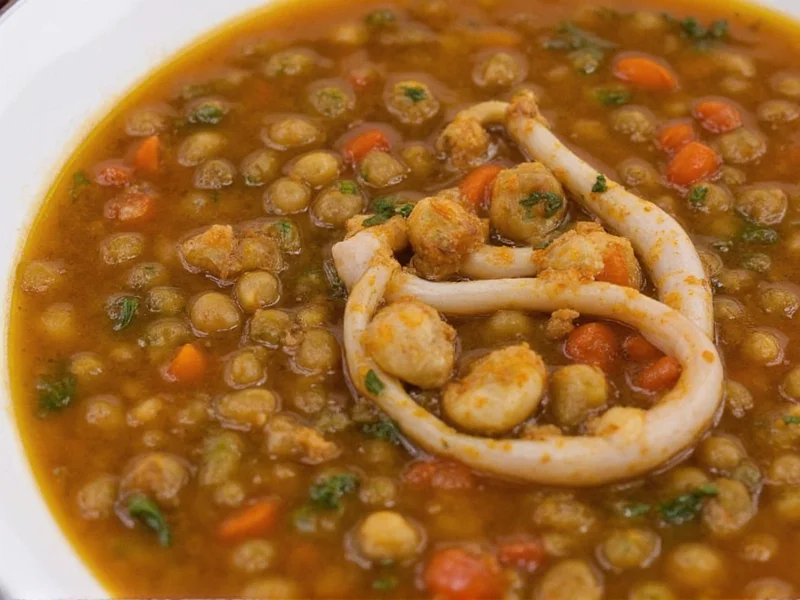
The Complete Guide to Perfect Lentil Soup
Lentil soup stands as one of the world's most enduring comfort foods, with historical roots tracing back to ancient Mediterranean and Middle Eastern cuisines. Unlike many traditional soups, this plant-based powerhouse delivers exceptional nutrition without requiring meat broth. The magic lies in lentils' natural umami compounds combined with properly caramelized aromatics. Whether you're seeking an easy lentil soup recipe for beginners or exploring mediterranean lentil soup variations, understanding the foundational techniques ensures restaurant-quality results every time.
Nutritional Powerhouse: Why Lentil Soup Belongs on Your Table
One cup of properly prepared lentil soup contains remarkable nutritional benefits that outperform many meat-based soups. Lentils provide complete protein when paired with grains, making them ideal for vegetarian protein sources in lentil soup. The soluble fiber content helps regulate blood sugar while promoting gut health through prebiotic effects.
| Nutrient | Per Serving (1 cup) | Daily Value % |
|---|---|---|
| Calories | 230 | 12% |
| Protein | 18g | 36% |
| Fiber | 15g | 54% |
| Iron | 6.5mg | 36% |
| Folate | 350mcg | 88% |
Recent studies confirm that regular consumption of legume-based soups like lentil soup correlates with reduced risk of cardiovascular disease. The potassium content helps maintain healthy blood pressure, while polyphenols act as powerful antioxidants. For those exploring lentil soup for weight loss, the high fiber and protein combination creates lasting satiety with moderate calories.
Essential Ingredients and Technique Breakdown
The foundation of exceptional lentil soup starts with ingredient selection and proper technique. Many home cooks make the critical error of boiling lentils vigorously, which causes them to disintegrate. Instead, maintain a gentle simmer after the initial boil for perfect texture.
Non-Negotiable Ingredients
- Lentils: Brown or green lentils hold shape best for chunky soups; red lentils dissolve for creamy textures
- Aromatics: Yellow onion, carrots, and celery in 2:1:1 ratio creates ideal flavor base
- Acid component: Fresh lemon juice or vinegar added at the end brightens flavors
- Umami boosters: Tomato paste caramelized in oil or dried mushrooms
Mastering the Flavor Development Process
- Sauté aromatics in olive oil until deeply golden (10-12 minutes)
- Add tomato paste and cook until brick red color develops
- Stir in spices (cumin, coriander, smoked paprika) to toast in oil
- Add rinsed lentils and vegetable broth
- Simmer gently until lentils are tender but not mushy (25-30 minutes)
- Finish with fresh lemon juice and chopped herbs
Adapting Lentil Soup for Dietary Needs
One of lentil soup's greatest strengths is its adaptability. The base recipe serves as a canvas for numerous dietary adaptations while maintaining nutritional integrity. For those seeking how to make lentil soup without meat, the key lies in maximizing umami through vegetable-based techniques.
Popular Variations
- Middle Eastern Style: Add turmeric, cinnamon, and finish with tahini swirl
- Indian Dal Approach: Use red lentils with garam masala and finish with tempered cumin seeds
- Mediterranean Version: Incorporate kale, lemon zest, and finish with feta cheese
- Smoky Southwest: Add chipotle peppers and sweet potatoes for depth
For gluten-free diets, ensure broth is certified GF. Those managing sodium should prepare broth from scratch or rinse canned broth. The best spices for lentil soup vary by cuisine but always include cumin as the universal foundation.
Storage, Reheating, and Freezing Techniques
Proper storage transforms lentil soup from a single meal into multiple satisfying dinners. Unlike many soups, lentil soup actually improves in flavor after 24 hours as flavors meld. Follow these lentil soup storage and reheating tips for optimal results:
- Cool completely before storing (prevents condensation)
- Refrigerate in airtight containers for up to 5 days
- Freeze in portion-sized containers for up to 3 months
- Reheat gently on stove with splash of water or broth to restore consistency
- Always add fresh lemon juice and herbs after reheating
When freezing, leave 1-inch headspace for expansion. Thaw overnight in refrigerator before reheating. For quick weeknight meals, freeze soup in ice cube trays then transfer cubes to freezer bags - perfect for single servings.
Troubleshooting Common Lentil Soup Issues
Even experienced cooks encounter challenges with lentil soup. Understanding these solutions prevents common pitfalls:
- Too thin: Simmer uncovered to reduce, or blend 1 cup soup and stir back in
- Too thick: Add warm broth or water gradually until desired consistency
- Bland flavor: Balance with acid (lemon juice) and salt - taste after reheating
- Mushy lentils: Reduce cooking time; different lentil varieties require different times
- Flat taste: Layer flavors by caramelizing aromatics thoroughly before adding liquid
Perfect Pairings and Serving Suggestions
Elevate your lentil soup experience with these professional pairing recommendations. The earthy, hearty nature of lentils complements specific textures and flavors that create balanced meals.
- Bread pairings: Crusty whole grain bread or garlic naan for dipping
- Salad companions: Simple arugula salad with lemon vinaigrette
- Protein additions: Poached egg or grilled halloumi for non-vegetarians
- Garnish essentials: Fresh parsley, lemon wedges, and extra virgin olive oil
For complete protein pairing, serve with a side of quinoa or whole grain bread. The combination provides all nine essential amino acids. When serving red lentil soup variations, consider a dollop of plain yogurt to add creaminess and probiotic benefits.




 浙公网安备
33010002000092号
浙公网安备
33010002000092号 浙B2-20120091-4