
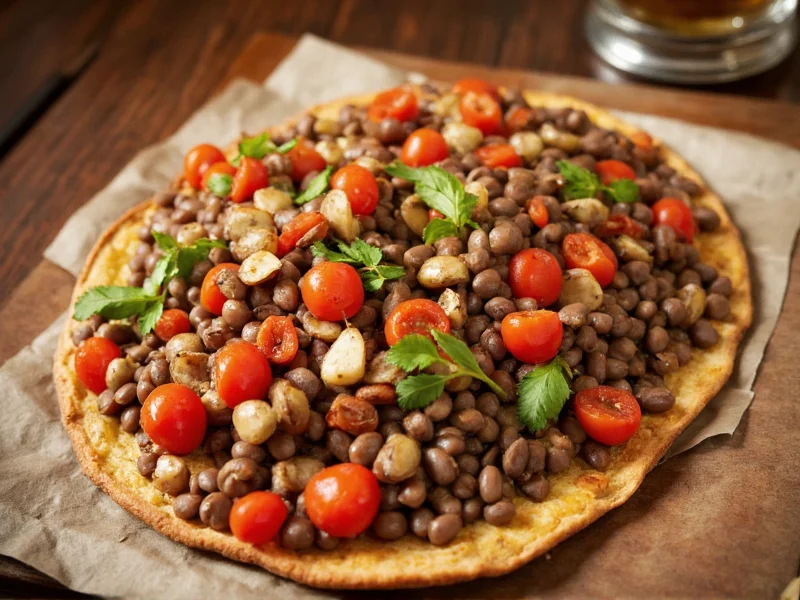
Mediterranean cuisine has gained global recognition for its health benefits and vibrant flavors, and restaurants focusing on lentil-centric interpretations provide an accessible entry point to this culinary tradition. Lentil Mediterranean Grill represents a growing segment of dining establishments that honor regional cooking methods while emphasizing plant-based proteins.
Understanding the Lentil Mediterranean Grill Concept
The name itself reveals two essential elements: lentils as a featured ingredient and Mediterranean as the culinary foundation. This combination creates a distinctive niche within the broader Mediterranean restaurant category. Unlike traditional Mediterranean eateries that might feature lamb or chicken as primary proteins, Lentil Mediterranean Grill establishments typically position legumes—particularly lentils—as central components of their menu.
Lentils have been a staple in Mediterranean and Middle Eastern cooking for centuries. Ancient civilizations throughout the region cultivated various lentil varieties, incorporating them into soups, stews, and salads. Modern interpretations at restaurants like Lentil Mediterranean Grill often showcase these historical connections while adapting recipes for contemporary palates.
Historical Evolution of Lentil Use in Mediterranean Cuisine
Lentils have evolved from Neolithic staple to modern superfood through distinct historical phases:
- 8000-6000 BCE: Archaeological evidence from Çatalhöyük (Turkey) and Franchthi Cave (Greece) confirms lentils among the earliest domesticated crops in the Fertile Crescent (National Institutes of Health, 2018).
- Classical Antiquity (8th c. BCE - 5th c. CE): Lentils became dietary staples documented in Greek and Roman texts; Theophrastus' Enquiry into Plants details cultivation methods still used today (Oxford Research Encyclopedia of Food Studies, 2020).
- Medieval Period (5th-15th c. CE): Lentils gained prominence in religious fasting traditions across Christian and Muslim communities due to their protein density and affordability during meatless periods.
- 21st Century: Scientific validation of lentils' role in the Mediterranean diet's health benefits has driven culinary innovation, with modern restaurants like Lentil Mediterranean Grill bridging historical authenticity and contemporary nutrition science (Harvard T.H. Chan School of Public Health, 2023).
Mediterranean Cuisine and Lentil Integration
Mediterranean cooking spans multiple countries including Greece, Turkey, Lebanon, and Morocco, each with distinctive culinary traditions. What unites these diverse cuisines is an emphasis on fresh ingredients, olive oil, herbs, and balanced flavors. Lentils appear prominently in many traditional dishes across these regions:
| Region | Traditional Lentil Dish | Key Ingredients |
|---|---|---|
| Greece | Faki Soupa | Brown lentils, carrots, celery, tomato, herbs |
| Turkey | Mercimek Çorbası | Red lentils, onions, tomato paste, cumin |
| Lebanon | Mujadara | Brown lentils, rice, caramelized onions |
| Morocco | Tagine with Lentils | Green lentils, preserved lemon, olives, spices |
Restaurants operating under the Lentil Mediterranean Grill concept typically draw inspiration from these regional specialties while creating their own signature dishes. The focus remains on wholesome ingredients prepared using time-honored techniques that maximize flavor without excessive processing.
What Diners Can Expect
When visiting a Lentil Mediterranean Grill establishment, customers typically encounter several consistent elements that define the dining experience:
Menu Structure
Most menus follow a similar organization that reflects traditional Mediterranean meal progression:
- Meze (Appetizers): Small plates often featuring lentil dips, stuffed vegetables, and fresh salads
- Main Courses: Lentil-based entrees alongside traditional Mediterranean proteins
- Bowls and Platters: Customizable options combining grains, lentils, vegetables, and sauces
- Desserts: Light, fruit-based sweets rather than heavy confections
Nutritional Approach
These restaurants generally emphasize balanced nutrition without marketing themselves strictly as "diet" establishments. The Mediterranean diet has been extensively studied for its health benefits, and Lentil Mediterranean Grill concepts naturally align with these principles through their ingredient choices. Consumer sentiment reflects strong alignment with contemporary dietary preferences: a 2023 International Food Information Council survey revealed 58% of Americans actively seek plant-based proteins, with lentils ranking as the third most preferred source due to familiarity and perceived healthfulness (2023). Diners seeking plant-based Mediterranean cuisine options will typically find multiple satisfying choices without feeling limited to "vegetarian substitutions."
Locating Authentic Mediterranean Grill Experiences
When searching for a genuine Lentil Mediterranean Grill experience, consider these factors that distinguish authentic establishments from generic Mediterranean-themed restaurants:
- Regional Specialization: Look for menus highlighting specific countries or regions rather than generic "Mediterranean" dishes
- Lentil Variety: Authentic venues typically feature multiple lentil types (brown, green, red, Puy) in different preparations
- Preparation Methods: Traditional cooking techniques like slow-simmering soups and spice blending indicate authenticity
- Ingredient Sourcing: Menus that mention specific regional ingredients suggest greater authenticity
Contextual Considerations: When Lentil-Based Dishes Excel
Understanding the appropriate contexts enhances dining satisfaction:
- Ideal Applications: Heart-healthy meal planning (per American Heart Association guidelines), budget-conscious dining (lentils cost 40% less than animal proteins on average), and cultural exploration of Middle Eastern/North African traditions.
- Key Limitations: Not suitable for individuals with legume allergies; may not satisfy expectations for meat-centric dishes like Greek souvlaki; certain preparations (e.g., thick stews) require careful portioning for IBS sufferers due to FODMAP content (Harvard T.H. Chan School of Public Health, 2023).
These contextual boundaries ensure diners select lentil-based options that align with both dietary needs and cultural expectations.
For those exploring Mediterranean diet restaurant options with lentil focus, understanding these distinctions helps identify establishments that honor the culinary tradition rather than offering superficial interpretations. The best Lentil Mediterranean Grill venues demonstrate knowledge of regional variations while making the cuisine accessible to contemporary diners.
Planning Your Visit to a Lentil Mediterranean Restaurant
Whether you're new to Mediterranean cuisine or a regular enthusiast, preparing for your visit to a Lentil Mediterranean Grill can enhance your experience. These restaurants often operate with specific service patterns that differ from conventional American dining establishments.
Many authentic Mediterranean venues encourage sharing multiple small plates rather than ordering individual entrees. When visiting a Lentil Mediterranean Grill, consider ordering several meze dishes to share, which allows you to sample a wider variety of lentil preparations and complementary items. Don't hesitate to ask staff about traditional lentil recipes Mediterranean style—they often appreciate客人 interest in the culinary heritage behind the dishes.
For diners with specific dietary requirements, most Lentil Mediterranean Grill establishments can accommodate common restrictions. The cuisine naturally includes many gluten-free and dairy-free options, and staff typically understand how to modify dishes while maintaining authentic flavors. When searching for Mediterranean restaurant with lentil dishes that meet specific dietary needs, a quick phone call ahead can ensure a smooth dining experience.




 浙公网安备
33010002000092号
浙公网安备
33010002000092号 浙B2-20120091-4