
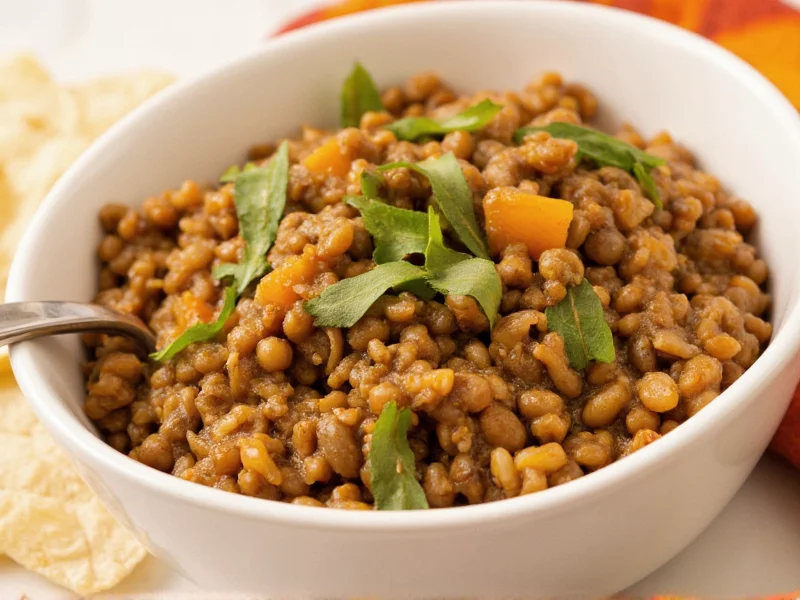
The Complete Guide to Perfect Lentil and Rice Dishes
For centuries, cultures worldwide have paired lentils with rice to create nutritionally complete meals that sustain communities. This powerful combination transforms two humble ingredients into a culinary masterpiece that satisfies both your palate and nutritional requirements. Unlike many plant-based protein sources, lentils and rice together provide all nine essential amino acids through complementary protein pairing, making them a complete protein source perfect for vegetarians, vegans, and anyone seeking affordable nutrition.
Nutritional Powerhouse: Why This Pairing Works
Lentils are rich in lysine but low in methionine and cysteine, while rice provides adequate methionine and cysteine but lacks lysine. This complementary relationship creates a complete protein profile comparable to animal products, validated by the FAO's protein quality evaluation methodology. A single serving (1 cup cooked) typically contains:
| Nutrient | Amount per Serving | Daily Value % |
|---|---|---|
| Protein | 18g | 36% |
| Fiber | 15g | 54% |
| Iron | 6.5mg | 36% |
| Folate | 480mcg | 120% |
Amino Acid Complementarity Verified
This synergy follows the FAO's protein quality assessment framework where combining plant proteins compensates for individual limiting amino acids. The table below shows the critical complementary relationship:
| Essential Amino Acid | Lentils Status | Rice Status | Combined Result |
|---|---|---|---|
| Lysine | High (limiting in rice) | Low | Complete profile |
| Methionine + Cysteine | Low | High (limiting in lentils) | Complete profile |
Source: FAO Dietary Protein Quality Evaluation Report (2013), pp. 15-17
This nutritional synergy explains why lentil and rice dishes appear in traditional cuisines from India's dal chawal to Middle Eastern mujadara and Latin American arroz con lentejas. The combination delivers sustained energy release thanks to its balanced carbohydrate-to-fiber ratio, keeping you full longer than either ingredient alone.
Historical Evolution of the Pairing
The lentil-rice combination represents one of humanity's earliest nutritional innovations, evolving independently across civilizations:
- ~11,000 years ago: Lentils domesticated in the Fertile Crescent, becoming a staple protein source (Source: NCBI Lentil Domestication Study)
- ~9,000 years ago: Rice cultivation begins in China's Yangtze Valley, later spreading westward (Source: NCBI Rice Domestication Research)
- 1500-500 BCE: Vedic texts document dal-bhat (lentil-rice) as foundational to Ayurvedic nutrition in India (Source: National Center for Complementary and Integrative Health)
- 7th Century CE: Persian medical texts describe mujadara as essential sustenance for travelers (Source: Encyclopaedia Iranica)
Contextual Limitations and Optimization
While nutritionally complete, this pairing requires context-specific adjustments for optimal benefits:
- Iron bioavailability: Non-heme iron from lentils has 2-20% absorption versus heme iron's 15-35%. Consuming with vitamin C sources (tomatoes, lemon) increases absorption by 200-300% (Source: NIH Office of Dietary Supplements)
- Protein density needs: Athletes require 1.2-2.0g protein/kg body weight. This base recipe provides ~0.25g/kg for 70kg adult; add pumpkin seeds (5g protein/oz) to meet requirements (Source: ISSN Position Stand)
- Digestive adaptation: Sudden high-fiber intake causes discomfort in 30% of new plant-based consumers. Gradual introduction over 3 weeks with probiotic foods reduces symptoms (Source: International Foundation for Gastrointestinal Disorders)
Selecting the Perfect Lentils for Your Rice Dish
Not all lentils work equally well in rice dishes. Understanding lentil varieties prevents common cooking mistakes:
- Brown lentils: Hold shape well during cooking, ideal for textured dishes like mujadara (cooking time: 20-25 minutes)
- Green lentils: Maintain firmness, perfect for salads with rice (cooking time: 25-30 minutes)
- Red lentils: Break down quickly, create creamy textures for porridge-style dishes (cooking time: 15-20 minutes)
- Black beluga lentils: Offer visual contrast and hold shape beautifully (cooking time: 25 minutes)
For beginners learning how to cook lentils with rice perfectly, brown lentils provide the most forgiving results. Always rinse lentils thoroughly before cooking to remove debris and reduce digestive discomfort.
Mastering the Cooking Technique
The secret to authentic traditional lentil rice dish from Middle Eastern cuisine lies in the cooking method, not just ingredients. Follow these professional tips:
- Ratio matters: Use 1 cup lentils to 1.5 cups rice for optimal texture
- Pre-soaking: Soak rice for 30 minutes (but never lentils) to reduce cooking time
- Layering technique: Cook lentils separately first, then combine with rice
- Water measurement: Use 2.5 cups liquid per cup of combined lentils and rice
- Resting period: Let the dish sit covered for 10 minutes after cooking
Avoid the common mistake of adding salt too early, which can toughen lentils. Instead, season after the lentils have softened. For an easy lentil and rice recipe for beginners, try this basic formula: 1 cup brown lentils, 1.5 cups basmati rice, 4 cups vegetable broth, 1 onion (caramelized), and 2 cloves garlic.
Regional Variations Worth Exploring
Cultural adaptations of lentil and rice dishes showcase incredible diversity:
- Mujadara (Middle East): Features caramelized onions and warm spices like cumin and cardamom
- Dal Chawal (India): Combines spiced lentil stew with fragrant basmati rice
- Arroz con Lentejas (Latin America): Includes tomatoes, peppers, and cilantro
- Kushari (Egypt): Adds pasta and crispy fried onions to the lentil-rice base
Each variation offers unique flavor profiles while maintaining the core nutritional benefits of the lentil-rice combination. Experiment with these regional approaches to discover your personal favorite best type of lentils for rice dishes in different culinary contexts.
Storage and Reheating Guidelines
Proper storage maintains both safety and texture:
- Cool completely before refrigerating (within 2 hours of cooking)
- Store in airtight containers for up to 5 days
- Freeze portions for up to 3 months
- Reheat with 1-2 tablespoons water to restore moisture
- Avoid repeated reheating cycles
When reheating, the microwave works well for single portions, while the stovetop preserves texture better for larger servings. Add fresh herbs or a squeeze of lemon juice after reheating to refresh flavors.
Common Questions About Lentil and Rice Dishes
Can I cook lentils and rice together in one pot?
Yes, but with careful timing. Add lentils first and cook for 10-15 minutes before adding rice. This accounts for lentils' longer cooking time. Brown or green lentils work best for one-pot methods, while red lentils may become too mushy.
Why does my lentil and rice dish turn out mushy?
Mushiness typically occurs from overcooking, using too much liquid, or selecting the wrong lentil variety. Red lentils break down easily, making them poor choices for dishes requiring distinct texture. Always measure liquid precisely and check for doneness starting 5 minutes before the recommended cooking time.
How can I enhance the protein content of lentil and rice dishes?
While lentils and rice already form a complete protein, you can boost nutritional value by adding seeds (pumpkin or sunflower), nuts, or a side of yogurt. For vegan options, toasted sesame seeds provide additional methionine, complementing the existing amino acid profile.
Are there gluten-free concerns with lentil and rice dishes?
Pure lentils and rice are naturally gluten-free. However, check broth and spice blends for potential gluten contamination. When preparing for gluten-sensitive individuals, use certified gluten-free ingredients and avoid cross-contamination during cooking.
What's the best way to prevent lentils from cracking during cooking?
Lentils crack when exposed to rapid temperature changes. Always add lentils to cold or room-temperature liquid rather than boiling water. Maintain a gentle simmer rather than a rolling boil, and avoid stirring too vigorously during the first 10 minutes of cooking.




 浙公网安备
33010002000092号
浙公网安备
33010002000092号 浙B2-20120091-4