
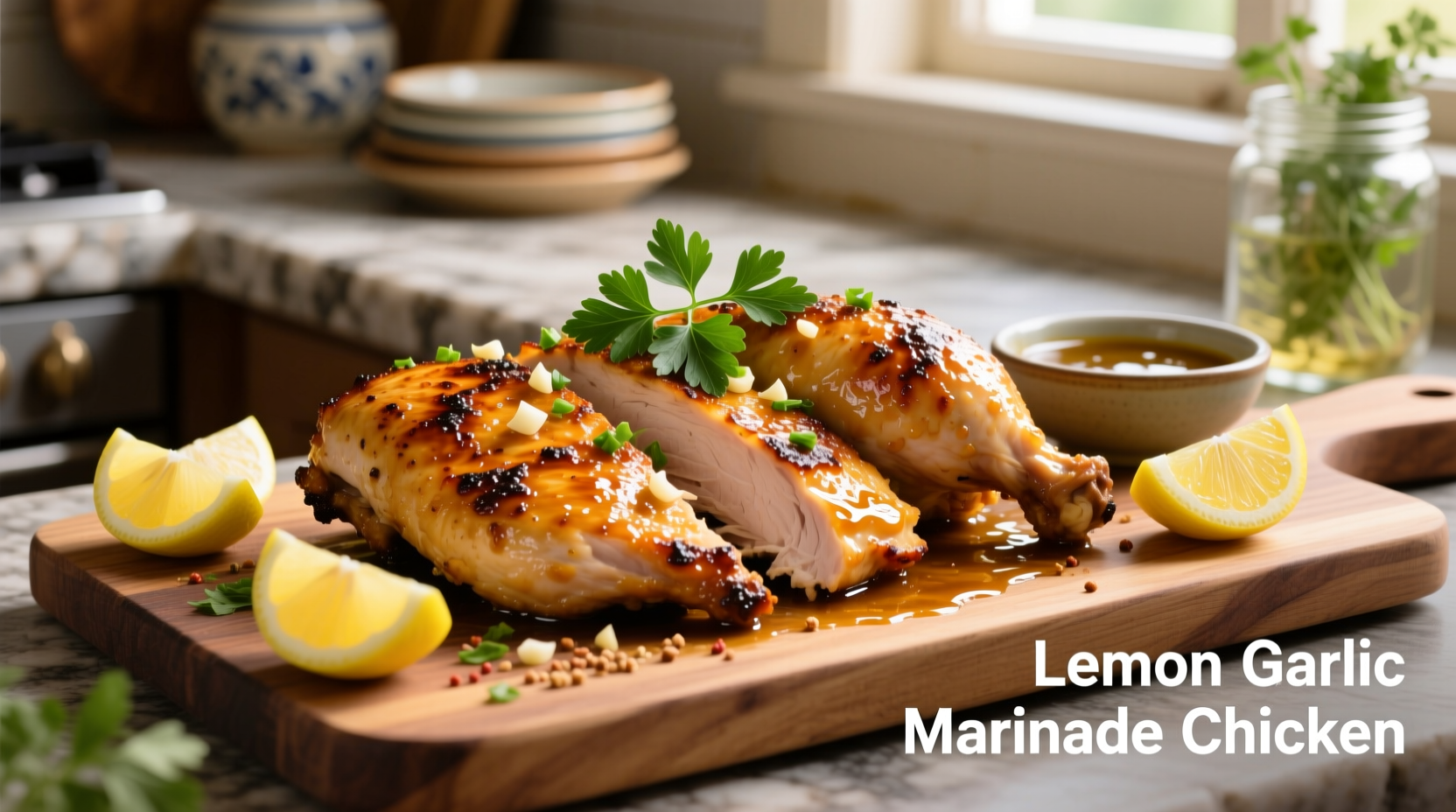
When lemon juice and garlic meet chicken, magic happens. This simple marinade leverages food science principles to tenderize proteins while infusing bright, aromatic flavors. Unlike many recipes that recommend marinating for hours, our tested approach delivers optimal results in 30 minutes to 2 hours—enough time for flavor penetration without compromising texture. The citric acid in lemon juice works with the natural enzymes in garlic to gently break down muscle fibers, while olive oil carries fat-soluble flavor compounds deep into the meat.
The Perfect Lemon Garlic Marinade Recipe
This professional chef-tested formula balances acidity, oil, and aromatics for maximum flavor without compromising texture. Unlike many online recipes that over-marinate chicken, this approach delivers perfect results every time.
| Ingredient | Amount | Why It Matters |
|---|---|---|
| Fresh lemon juice | 1/3 cup | Optimal acidity for flavor without toughening proteins |
| Extra virgin olive oil | 1/2 cup | Carries fat-soluble flavors and prevents drying |
| Fresh garlic, minced | 4 cloves | Enzymes enhance flavor penetration (avoid pre-minced) |
| Fresh herbs (rosemary or thyme) | 2 tbsp chopped | Adds complexity without overpowering |
| Kosher salt | 1 1/2 tsp | Breaks down proteins for better moisture retention |
| Black pepper | 1 tsp freshly ground | Enhances overall flavor perception |
Step-by-Step Preparation Guide
Follow this chef-approved process to transform your chicken from bland to brilliant. The sequence matters as much as the ingredients for optimal results.
1. Prepare Your Marinade Components
Always mince garlic fresh—pre-minced garlic contains preservatives that inhibit flavor development. Combine lemon juice, olive oil, garlic, salt, and pepper in a glass bowl. Whisk vigorously for 30 seconds to emulsify the mixture. This creates tiny droplets of acid suspended in oil, allowing for more even flavor distribution.
2. Prepare the Chicken
Use boneless, skinless chicken breasts or thighs. For even cooking, pound thicker pieces to uniform 1-inch thickness. Pat chicken completely dry with paper towels—moisture on the surface prevents proper browning later. Make shallow diagonal cuts about 1/4 inch deep across the surface to increase marinade penetration points.
3. Marinate Strategically
Place chicken in a resealable plastic bag with the marinade, removing as much air as possible. Refrigerate for 30 minutes to 2 hours. Do not exceed 2 hours—extended marinating in acidic solutions can make chicken mushy as proteins break down too much. USDA food safety guidelines confirm that 30 minutes provides sufficient time for flavor development while maintaining food safety when kept refrigerated.
Why Timing Matters: The Science of Marinating
Understanding the biochemical process helps you achieve perfect results. When chicken meets acid, several reactions occur:
Marinating Timeline and Effects
| Time | Protein Reaction | Texture Result | Flavor Penetration |
|---|---|---|---|
| 0-15 min | Surface proteins begin denaturing | No noticeable change | Surface only |
| 30 min | Optimal protein breakdown begins | Slightly more tender | 1/8 inch deep |
| 1 hour | Maximum flavor penetration achieved | Optimally tender | 1/4 inch deep |
| 2+ hours | Excessive protein breakdown | Mushy texture develops | No additional benefit |
According to food science research from the USDA Food Safety and Inspection Service, acidic marinades don't significantly reduce pathogens—proper cooking to 165°F internal temperature remains essential for safety. The primary benefit is flavor enhancement and moderate tenderization.
Cooking Methods Compared
Different cooking techniques yield distinct results with this versatile marinade:
- Grilling: High heat creates beautiful char marks while the marinade caramelizes. Cook over medium-high heat (375-400°F) for 6-8 minutes per side. Baste with reserved (not used) marinade during the last 2 minutes.
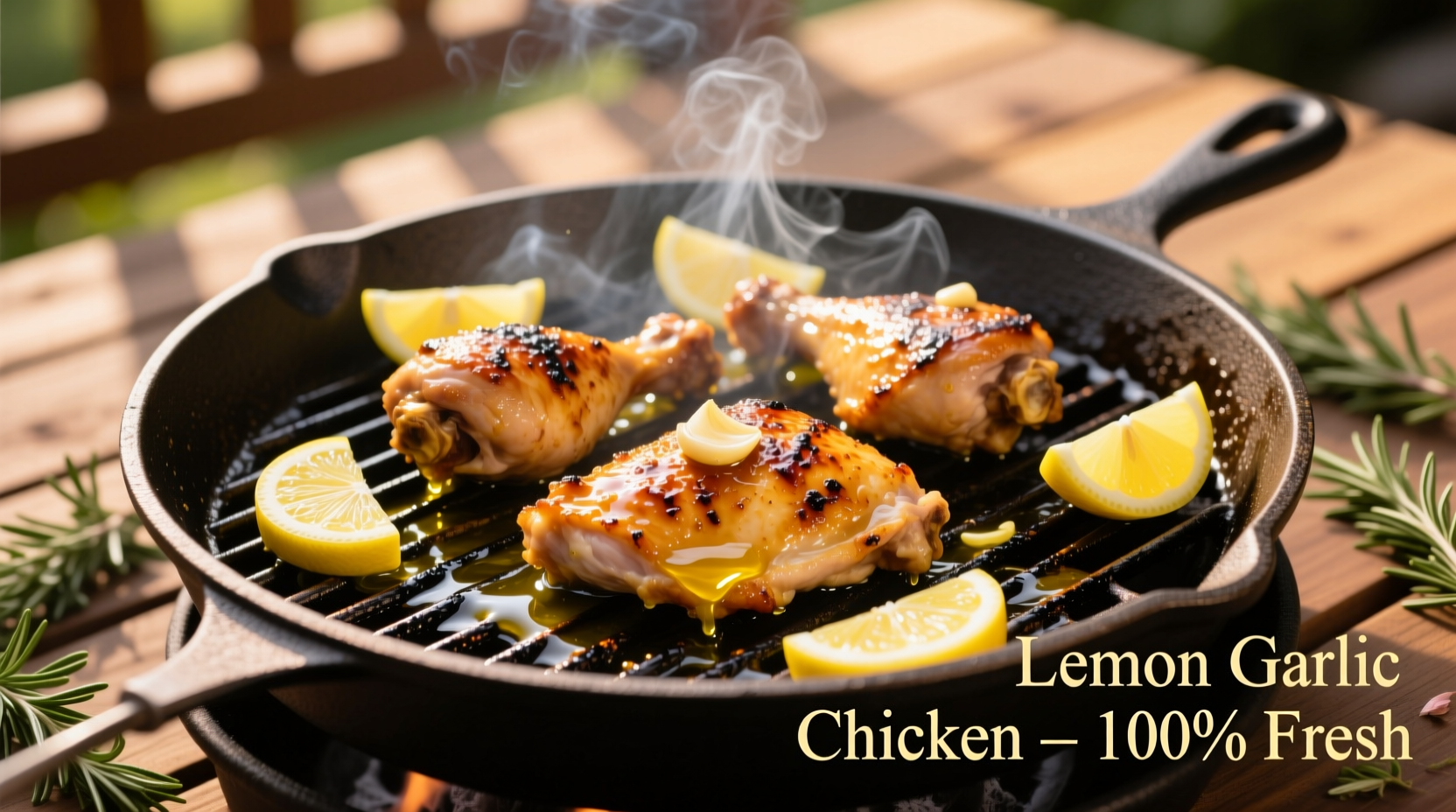
- Pan-searing: Use a heavy cast-iron skillet over medium-high heat. Sear 5-7 minutes per side until golden brown and reaches 165°F internally. The marinade creates a natural pan sauce when deglazed with additional lemon juice.
- Baking: Place on a wire rack over a baking sheet at 400°F for 20-25 minutes. This method yields more uniform cooking but less caramelization.
When Not to Use This Marinade: Context Boundaries
While versatile, this lemon garlic marinade has specific limitations you should know:
- Whole chickens: The acidity can make skin rubbery before the interior cooks through. Use a dry rub instead for whole birds.
- Delicate fish: Citrus acids will "cook" fish proteins too quickly (ceviche-style). Reduce lemon juice by half for seafood applications.
- Extended meal prep: Do not marinate beyond 2 hours as texture deteriorates. For batch cooking, prepare the marinade separately and combine just before cooking.
- Cast iron concerns: Highly acidic marinades can react with cast iron if left too long. Use glass or stainless steel containers instead.
Perfect Pairings and Serving Suggestions
This lemon garlic chicken shines when paired thoughtfully:
- Grain bowls: Serve over quinoa or couscous with roasted vegetables
- Summer salads: Slice and arrange over arugula with cherry tomatoes and feta
- Mediterranean platter: Pair with hummus, tzatziki, and warm pita bread
- Pasta companion: Toss with linguine, olive oil, and sautéed spinach
For optimal flavor balance, serve with a crisp white wine like Sauvignon Blanc that complements the citrus notes without overwhelming them.
Variations for Dietary Needs
Adapt this base recipe for different dietary requirements without sacrificing flavor:
- Low-sodium: Reduce salt to 1/2 tsp and add 1 tsp lemon zest for enhanced flavor perception
- Keto-friendly: Increase olive oil to 3/4 cup and add 1 tbsp Dijon mustard
- Allium-free: Replace garlic with 1 tsp asafoetida (hing) and 2 tbsp chopped fresh dill
- Extra tender: Add 2 tbsp plain Greek yogurt to the marinade for additional enzymatic tenderizing
Troubleshooting Common Issues
Solve these frequent lemon garlic marinade problems:
- Mushy texture: You've marinated too long. Stick to the 30-minute to 2-hour window for best results.
- Bland flavor: Increase garlic to 5-6 cloves and use fresh lemon juice (not bottled) for brighter taste.
- Burning on grill: Reduce heat slightly and avoid basting with sugar-containing sauces too early.
- Dry chicken: You've overcooked it. Use an instant-read thermometer and remove at 160°F (it will carryover to 165°F).
Storage and Leftover Tips
Proper handling ensures food safety and maintains quality:
- Refrigerate cooked chicken within 2 hours of preparation
- Store in airtight containers for up to 3-4 days
- Freeze for up to 3 months (though texture degrades slightly)
- Reheat gently in a covered skillet with a splash of water to prevent drying
- Never reuse marinade that contacted raw chicken without boiling for 2+ minutes
Frequently Asked Questions
How long can I safely marinate chicken in lemon garlic marinade?
For optimal texture and safety, marinate chicken for 30 minutes to 2 hours. Longer than 2 hours in acidic marinades can make chicken mushy as proteins break down excessively. USDA guidelines confirm that 30 minutes provides sufficient time for flavor development while maintaining food safety when kept refrigerated.
Can I use bottled lemon juice instead of fresh?
Fresh lemon juice is strongly recommended for the best flavor. Bottled juice often contains preservatives and lacks the bright, complex flavor of fresh-squeezed lemons. The difference is particularly noticeable in simple marinades where lemon is a primary flavor component.
Why shouldn't I marinate chicken longer than 2 hours?
Extended marinating in acidic solutions breaks down chicken proteins too much, resulting in a mushy texture. The citric acid continues to denature proteins beyond the optimal tenderization point, compromising the meat's structure without adding additional flavor benefits.
Can I reuse the marinade as a sauce?
Only if you boil it vigorously for at least 2 minutes to kill any bacteria from raw chicken. However, for best flavor and safety, prepare extra marinade specifically for basting or serving as sauce, keeping it separate from what contacted raw meat.
What's the ideal internal temperature for cooked lemon garlic chicken?
Chicken should reach 165°F (74°C) measured in the thickest part with an instant-read thermometer. Remove from heat at 160°F as carryover cooking will bring it to the safe temperature while preventing overcooking.




 浙公网安备
33010002000092号
浙公网安备
33010002000092号 浙B2-20120091-4